
News
Issues affecting the wine industry and the wine you drink
-

UK Supermarkets Spark Champagne Price War Before Easter
The Drinks Business reports that a new round of pre Easter Champagne discounting has hit the major supermarkets, with Tesco and Sainsbury’s reviving 25% off when buying six bottles and Waitrose following with a milder offer. The article says the deals run until 6 April at Tesco and Sainsbury’s, and highlights how cuts on brands such as Perrier Jouët, Moët & Chandon, Bollinger and Nicolas Feuillatte are pushing some bottles to unusually low prices for the category. See my offers page for the best discounts on Champagne and still wine.
-
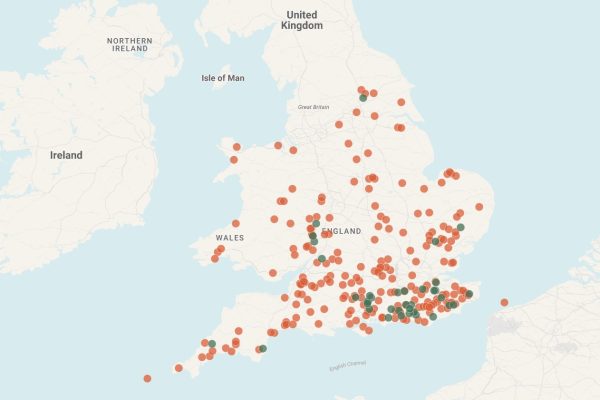
A Strong 2025 Vintage Marks the Start of the UK Growing Season
WineGB has launched its 2025 Harvest Report alongside the updated 2026 Green Book as vineyards enter a new growing season. The report highlights 2025 as an outstanding year for UK viticulture, driven by favourable weather conditions. An early, dry spring followed by exceptional summer heat led to the earliest and ripest grape harvest recorded in the British Isles. Production rose significantly, with a 39% increase on 2024 according to WineGB data, while Food Standards Agency figures show an even larger 55% rise, totalling over 16.5 million bottles. The quality of the crop also improved, with higher ripeness levels, increased potential…
-

In the UK, 73% of Alcohol is Bought From Retail Rather Than Hospitality
A new report from Drinkaware examines the shift of alcohol consumption in the UK from pubs and bars to the home. Around 73% of alcohol is now bought from supermarkets or convenience stores for home use, and adults are about twice as likely to drink at home weekly as they are to drink in pubs or restaurants. Although most home drinking is moderate, the report argues that risk can build over time because drinking at home is frequent and less visible. A small group of heavier drinkers account for a large share of alcohol purchases and about 8.2 million UK…
-
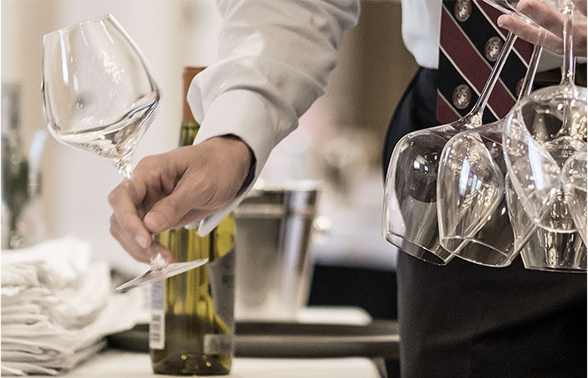
UK’s Top Restaurant Wine Lists Revealed
The finalists for the sixth Star Wine List of the Year UK awards have been announced, which recognise the country’s best restaurant and bar wine lists. The 2026 competition attracted a record number of entries and 66 venues were selected by an expert panel of Masters of Wine and sommeliers. Winners will be revealed on 23 March 2026 at an invitation-only ceremony in London, and the international category winners will go on to a global final in Sweden later in the year. The finalists come from across the UK, although London dominates, and include previous gold-star winners returning to defend…
-
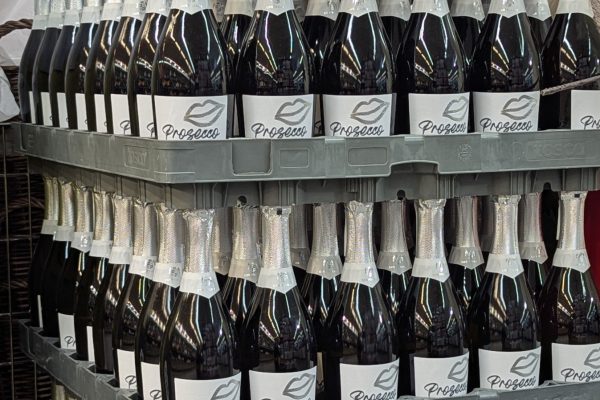
Wales to Raise Minimum Alcohol Price to 65p per Unit
The Welsh Government has agreed to raise the minimum unit price of alcohol by about 30 per cent, increasing it from 50p to 65p per unit from October 2026. This policy, first introduced in 2020 under the Public Health (Minimum Price for Alcohol) (Wales) Act, is intended to discourage excessive drinking by making very cheap alcoholic drinks more expensive. In practice that means bargain bottles, multipacks and large formats where the price has been kept low despite relatively high strength, including some stronger everyday wines (around 13.5% to 15% ABV) that are priced close to the lower end of the…
-
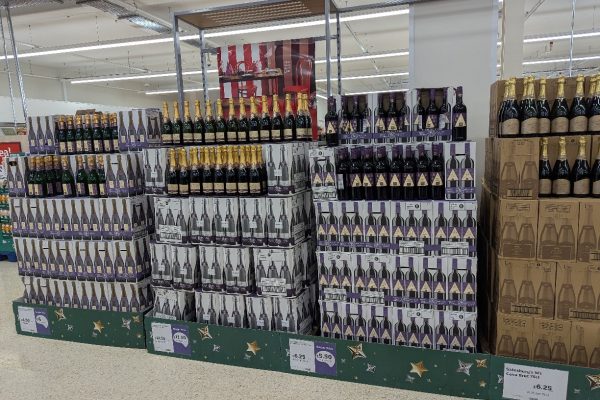
Premium Wines and Sparkling Drive Resilience in a Declining UK Retail Market
DrinksRetailing is reporting that UK off-trade (retail) wine sales are under pressure, with total value down 1.8% year on year, mainly due to falling volumes despite higher average prices. Sparkling wine is holding up better than still wine, while red wine is declining most sharply, partly because of duty banding. Premiumisation is a clear theme. Wines priced at £7 and above are growing, while cheaper wines are seeing significant declines. A small number of brands are driving growth, most notably La Vieille Ferme, alongside Freixenet and Villa Maria, all benefiting from positioning in the £8–9 price range. Looking ahead, ongoing…
-
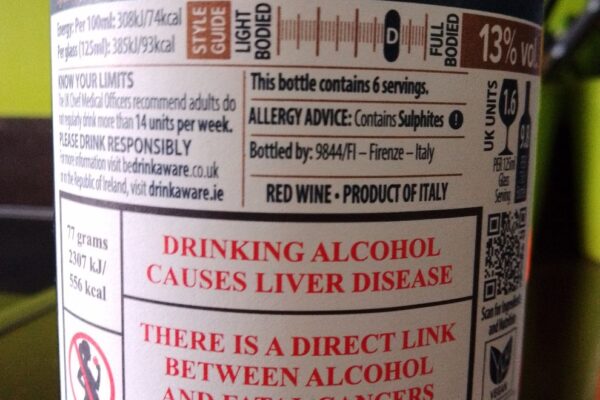
UK Ministers’ Alcohol Labelling Plans Alarm the Drinks Industry
The FT is reporting that UK ministers have triggered fresh unease in the drinks and hospitality sectors as they move ahead with discussions on possible new alcohol labelling rules, while also preparing to reverse course on the prospect of higher business rates for pubs in England. The Department of Health and Social Care is due to meet more than two dozen alcohol producers, retailers and trade bodies, including Diageo and groups representing beer, pubs, wine and spirits, to talk through the early-stage proposals and gather evidence on likely impacts. Industry leaders fear the government could mandate prominent health warnings on…
-
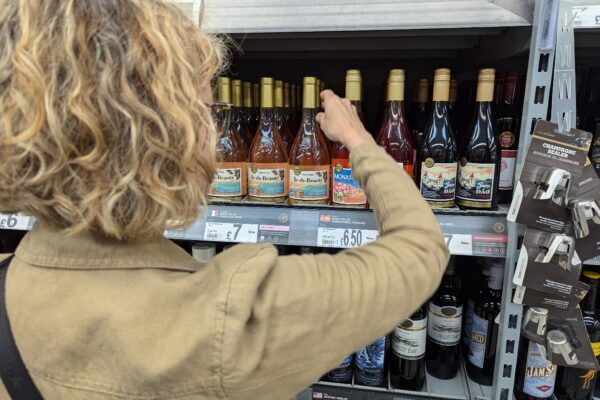
How Wine Choices Signal Who We Are
New research from the University of Zurich looks at how wine choices communicate something about the drinker’s values, depending on the situation in which the wine is chosen. Using experiments with over 1,200 wine buyers, the authors show that consumers consistently read meaning into visible wine cues such as bottle design, back-label stories and tasting notes, and that these meanings influence what people choose in different contexts. The key finding is that wines are interpreted as expressing different kinds of values. Traditional labels, heritage stories, famous critics’ scores and references to prestige tend to signal reliability, achievement, status and respect…
-

200% Tariff Threat on French Wines
Reuters is reporting that Donald Trump has threatened to impose 200% tariffs on French wines and champagne, framing it as leverage to push Emmanuel Macron to join a new US-led “Board of Peace” initiative. A source close to Macron said the French president plans to decline the invitation, and Trump publicly dismissed Macron’s stance while suggesting the tariff threat could change his mind. On trade, Reuters notes that EU wines and spirits entering the US currently face a 15% tariff and that the United States is the biggest market for French wine and spirits, with 2024 shipments valued at about…
-

One Glass Could Be Too Much
The UK Government is considering tougher drink-driving rules as part of a renewed effort to cut road deaths and serious injuries. Newly announced proposals aim to reduce casualties on Britain’s roads by 65 per cent by 2035, with a particular focus on lowering the amount of alcohol drivers are legally allowed to have in their system. At present, the legal drink-drive limits in England, Wales and Northern Ireland are 35 microgrammes of alcohol per 100 millilitres of breath, 80 milligrammes per 100 millilitres of blood, and 107 milligrammes per 100 millilitres of urine. These limits have been in place for…
-
The Bibendum Wine Trend Report and What it Means for UK Wine Lists
Bibendum’s new Wine Trend Report 2026 argues that UK hospitality venues have had a tough year, with restaurants driving declines as consumers cut back on eating out and with added headwinds around younger drinkers entering the category. The report frames this as a moment where tighter spending and changing occasions can still create opportunities for better-focused wine lists. It highlights several broad market shifts for 2026. Wine lists are expected to polarise towards either genuinely affordable choices or bottles that feel meaningful, putting pressure on the “middle” of the list unless each wine has a clear reason to be there.…
-
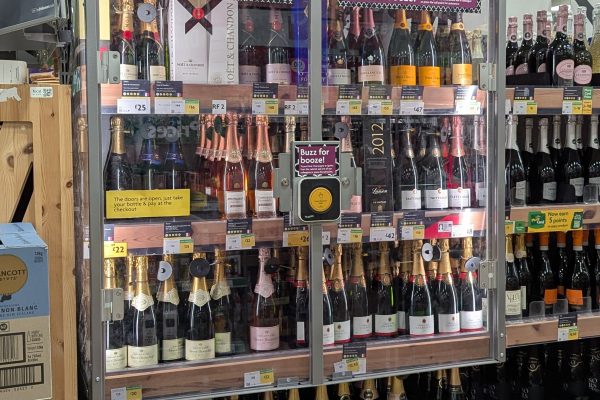
Light Strike Can Cause Wine Degradation in Just One Day
Light strike is a well-known but often underestimated cause of wine spoilage, particularly in white and rosé wines. Despite increasing awareness, it’s becoming more common to see wines displayed under feature lights in both supermarkets and hospitality settings. Some retailers are even installing lighting within wine racks to make displays more appealing, likely unaware that this could be damaging the wine. A recent study has highlighted just how quickly light exposure can trigger faults. Riboflavin, a naturally occurring compound in wine, begins to break down under light. This breakdown leads to the formation of volatile sulphur compounds, responsible for unpleasant…
-

How Fine Wine Tastes Have Changed
A new report looks at 10 years of wine drinking at 67 Pall Mall London using sales data, a member survey and a round table. It finds members moving beyond a Bordeaux, Burgundy, Champagne core into regions such as South Africa, England, Piedmont, Germany, Austria, Spain, Portugal and Greece, mainly in search of value and freshness. Members buy and store less for long-term ageing, prefer wines that are ready to drink and are drinking less Sauvignon Blanc, with Pinot Noir, Chardonnay and lighter, “Burgundy-style” reds in the ascendant. Price and climate change dominate concerns. Many feel Bordeaux and Burgundy En…
-
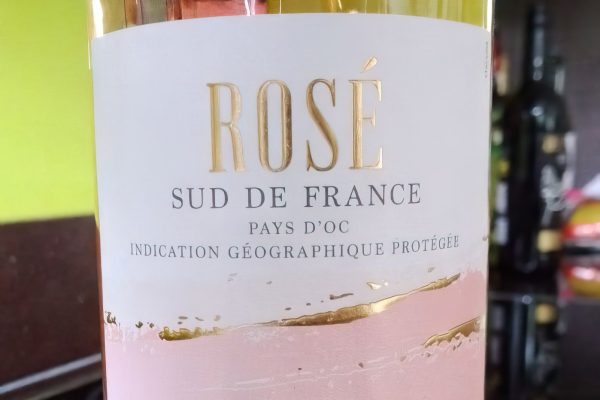
Sud de France Label Will be Banned
From the 2025 vintage onwards, the Sud de France label will be permanently banned from wine bottles, after a ruling by the Conseil d’État on 3 December 2025 confirmed that the term does not meet the criteria for a recognised geographical indication under EU rules. The label, launched in 2006 to promote wines from what is now the Occitanie region, including the former Languedoc-Roussillon territories, has long served as a unifying brand for a wide range of wines. According to the Conseil d’État, “Sud de France” fails to correspond to any legally defined locality, administrative area or officially recognised wine…
-
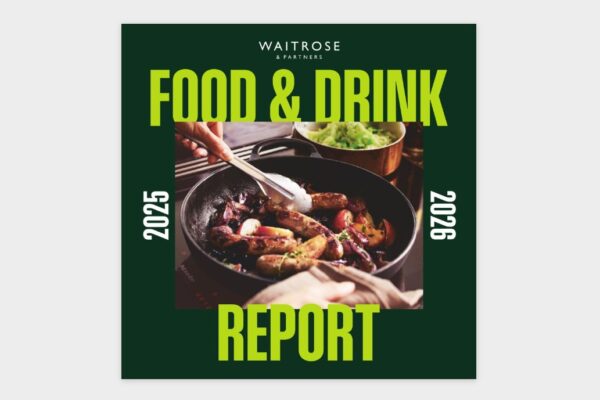
Waitrose Insights into How Wine is Evolving
The latest Waitrose Food & Drink Report paints a vivid picture of how wine drinking in the UK is evolving, revealing a shift in taste, attitude and even climate that is reshaping the nation’s habits. Waitrose surveyed a panel of 4,393 customers, in September 2025, for the insights in this year’s report. It is a story of lighter styles triumphing over heavier bottles. We’re seeing a clear move toward longer, lighter serves that offer the feel of a proper drink without the higher alcohol levels, a shift driven by what many are calling the summer of the spritz, with the…
-
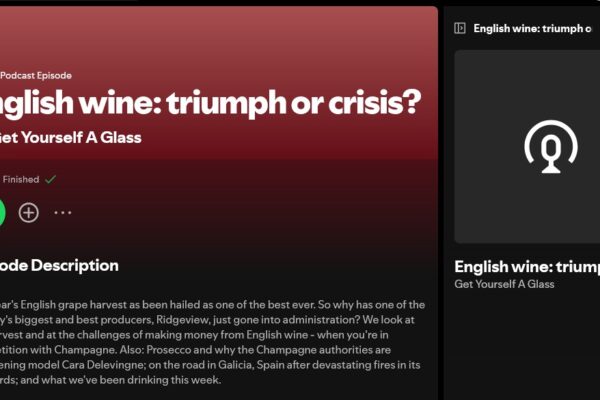
New ‘Get Yourself a Glass’ Podcast
There is a new monthly podcast called Get Yourself a Glass, hosted by Victoria Moore, wine columnist for The Daily Telegraph, and Andrew Neather, former wine critic at the London Evening Standard and author of the book Rooted in Change, which I reviewed recently. In each episode, Victoria and Andrew chat about what they have been doing and drinking, all built around a central theme. This time the focus is English wine. They explore why they think Ridgeview has gone into administration and why the new Chapel Down winery has been scrapped. They also discuss the costs of wine production,…
-
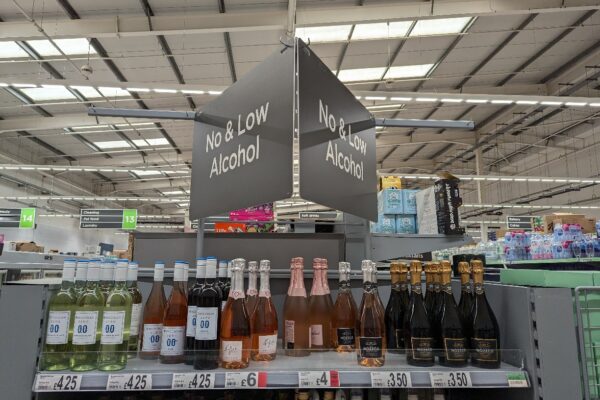
British Consumers More Negative About Non-Alcoholic Wine
A new study investigates how consumers in Australia, the UK and the US perceive and evaluate non-alcoholic wine. It analyses more than eleven thousand online product reviews covering 326 products sold through major e-commerce platforms, applying sentiment analysis, topic modelling and logistic regression to identify what shapes satisfaction and how perceptions vary across markets and wine styles. The findings show that consumers are most satisfied when they feel the product offers good value for money and fits with health-led or lifestyle-driven drinking choices. These two factors have the strongest positive influence on satisfaction. Curiosity and expectations also play a role,…
-
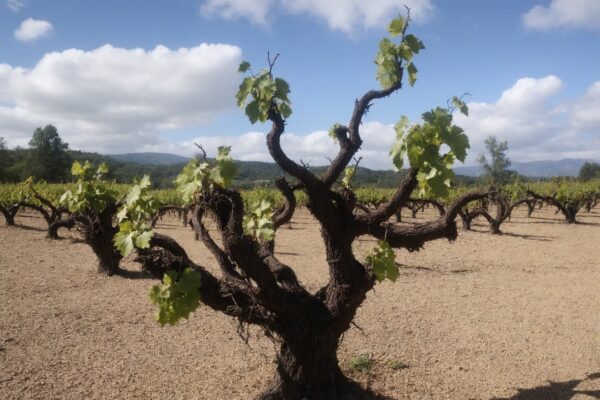
Old Vine Garnacha Scientific Insights
New research from DO Campo de Borja has provided scientific proof that old vine Garnacha produces wines with greater aging potential and stronger site-specific character compared to grapes from younger vineyards. The findings, presented at the Old Vine Conference’s Meeting of the Minds 2025 in northern California, conclude the region’s four-year Garnachas Históricas project, carried out in collaboration with the Universities of Zaragoza and Navarra and several local wineries. Led by Professor Vicente Ferreira at Zaragoza’s Aroma Analysis Laboratory, the study compared grapes from vines aged 30 to 90 years with those from younger plots. The older vines consistently produced…
-
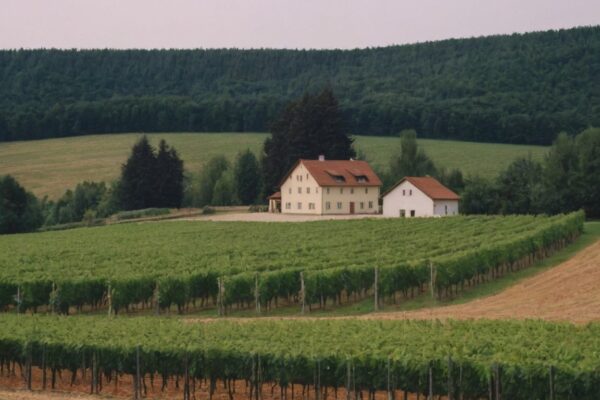
Smallest Vintage in Germany Since 2010
Germany is set to record its smallest wine vintage since 2010, with the nationwide grape must harvest estimated at just 7.3 million hectolitres. This marks a 7% decline compared to last year and a 16% drop against the 10-year average of 8.7 million hectolitres. The sharp reduction is largely due to poor yields in the major wine-producing regions of Rheinhessen, Pfalz, Baden and Württemberg, where factors such as smaller grape berries, low must yields and heavy rainfall in mid-September led to significant losses. Rheinhessen alone saw a 23% drop from the 10-year average, while similar declines were reported in Pfalz,…
-
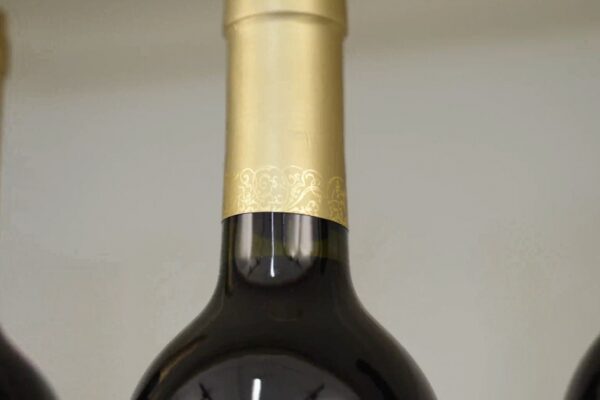
Wine Neck Capsules or No Capsules?
A recent study commissioned by the Crealis Group explored the impact of wine capsules, the foil over the top of wine bottles, on consumer perception and purchase decisions. Traditionally viewed as a purely functional component, the capsule’s potential marketing influence had been largely overlooked. Conducted by SenseCatch, the research used a mix of biometric tracking and qualitative interviews to evaluate how capsules affect perceived value, visual appeal, and purchasing choices among thirty regular wine consumers aged between 25 and 50. Participants were observed in a simulated wine aisle and asked to choose between bottles of red and sparkling wines, both…
Pick Lists
Majestic | The Wine Society | Tesco | Waitrose | Sainsbury’s | Morrisons | Co-op | Asda | Lidl | £7 and Under | Over £20
Did You Know?
Supermarkets remain the dominant purchasing channel, used by 77.8% of respondents. More
Champagne remains the leading celebratory sparkling wine at 33.4%, followed by Prosecco at 27.4% and English Sparkling wine at 20%. More
34% of people identify high wine prices as a leading frustration. More
Australian wine exports to China have collapsed from around $1.2 billion to less than $10 million. More
Wine’s aroma is not determined solely by which flavour compounds it contains. More
Low-to-moderate wine consumption is associated with lower mortality. More
Moderate water stress can be part of what creates flavour and terroir expression. More
Wine appears less frequently online than other alcoholic drinks. More
Independent retailers had 9% fewer customers in March 2026 than two years earlier. More
Average spend per bottle in independents has risen by 23% since 2019, compared with 21% in supermarkets. More.
Nearly a third (32%) of UK consumers say they have already used AI for alcoholic drinks advice. More
Among socially active wine buyers, 37% have bought a wine recommended online. More
In 2026, 72% of consumers now think wine knowledge is essential to appreciation, up 20 percentage points on 2025. More
Rías Baixas wines reached more than 107 countries in 2025 and exports represented 31 per cent of the denomination’s total sales. More
Light Strike Can Cause Wine Degradation in Just One Day. More
People actively adjust their wine choices depending on who might see them. More
In the UK, 73% of Alcohol is Bought From Retail Rather Than Hospitality. More
UK wine production reached 124,377 hectolitres that year, meaning the UK accounted for roughly 0.05 per cent of world output. More
For Crémant, grapes must be harvested by hand and the wines must undergo at least nine months’ ageing before release. More
In 2024, the UK was the second-largest export market for Champagne globally, after the United States. More
Local UK bottling of wine represents about 40% of imported wine. More
Around 1% of people, typically severe asthmatics, have a sulphite sensitivity. More
A large 80% of Australian wine arrives in the UK in bulk. More
Only about 0.02% of Australia’s landmass is dedicated to vineyards. More
In 2024, New Zealand produced only 1% of the World’s wine. More
In 2024, the US imported 37% of World production of Pinot Grigio and the UK was is in second place at 27%. More
In 2024, the UK was South Africa’s largest export market, with 40% of total exports. More
In 2024, the United Kingdom imported 22.3 million bottles of Champagne, a decline of 12.7% compared to the previous year. More
Larger Champagne producers source grapes from as many as 80 different vineyards throughout Champagne. More
Champagne houses and growers collectively produce around 300 million bottles annually. More
In 2025, the Champagne region was home to about 2,124 Champagne houses and approximately 19,000 growers. More
Provence is one of the leaders in the conversion to organic viticulture, with 61% of vineyards certified. More
8% of the South Africa’s grape production is Fairtrade-certified. More
Up to 80% of wine aroma compounds come from grape skins. More
Glycerol is the third-largest component of most dry wines after water and alcohol which is why they so often feel ‘smooth’ or ‘silky’ in the mouth. More
Humans are more than 400 times more sensitive to bitter than sweet. More
Humans can detect the earthy molecule geosmin at about 100 parts per trillion and camels are so sensitive to it they can locate damp ground from roughly 50 miles away. More
During the phylloxera crisis of the nineteenth century, 90% of Europe’s vineyards were destroyed. More
In 2025, for La Vieille Ferme, also known as “The Chicken Wine”, sales surged by 49.4% to £110.8 million. More
In 2025, in the UK, Yellow Tail held the top position with sales, marking a 9.8% increase over the previous year. More
In 2024, the UK was the second-largest wine importer in volume and value. More
In 2024, the UK was the fifth-largest wine-consuming country globally. More
In 2025, global wine consumption continued its downward trend, estimated at 214.2 million hectolitres, the lowest since 1961. More
In 2025, online alcohol sales had a 20% increase in value over five years. More
In 2025, the number of UK vineyards rose to 1,104 and wineries to 238, with land under vine expanding to 4,841 hectares, a 510% increase since 2005. More
Moët Hennessy alone commands nearly 46.66% of the Champagne market, with the top three producers together holding about 61%, and the top five controlling over 72%. More
In 2024, the Champagne market was worth roughly €3.92 billion. More
In the marketing year 2023/24, white wine accounted for roughly 55% of Spain’s output, whereas red and rosé together made up about 45%. More
In the UK, 92% of wine is consumed within 48hrs of purchase. More
The majority of wines, 95%, use commercial rather than wild yeast. More
Between 0.5 and 10 litres of water, per litre of wine, are needed for cleaning during winemaking. More
Machine harvesting can achieve up to 100 tons of fruit per day vs 1 ton for a human. More
In Germany, 2025 was the smallest wine vintage since 2010. More
The majority of vineyards, 90% in 2019, are farmed with heavy chemical interventions. Only 6% are organic. More
90% of low and coastal areas in south Europe and California will no longer be able to produce good wine by the end of the century. More
IMAGE WALL
Tools
Recent




Tags
25% Off Wine Aldi Amarone Argentina Articles Asda Australia Austria Award Awards25 Bizarre Blog Books Bordeaux Bulk Bottling Cabernet Sauvignon Carménère Cava Champagne Chardonnay Chile Climate Change Coop Crémant Decanter Duty English Wine EPR Fairtrade Food France Germany Glossary Greece Health Hungary Italy IWSC Jeroboams Laithwaites Legislation Liberty Wines Lidl Low Alcohol M&S Majestic Malbec Merch Merlot Morrisons Natural Nero d'Avola News New Zealand Non-Alcoholic Ocado Old Vine Organic Past Tastings Pick List Pinotage Pinot Grigio Pinot Noir Port Portugal Primitivo Prosecco Research Retailers Reviews Ribera del Duero Riesling Rioja Ripasso Rose Sainsbury's Saperavi Sauvignon Blanc Shiraz Sicily South Africa Spain Sparkling Supermarkets Sustainable Tax Terroir Tesco The Wine Society Unrepresented USA Valpolicella Virgin Wines Waitrose Wanderlust Welsh Wine What to Buy Wine Art WineGB Zinfandel