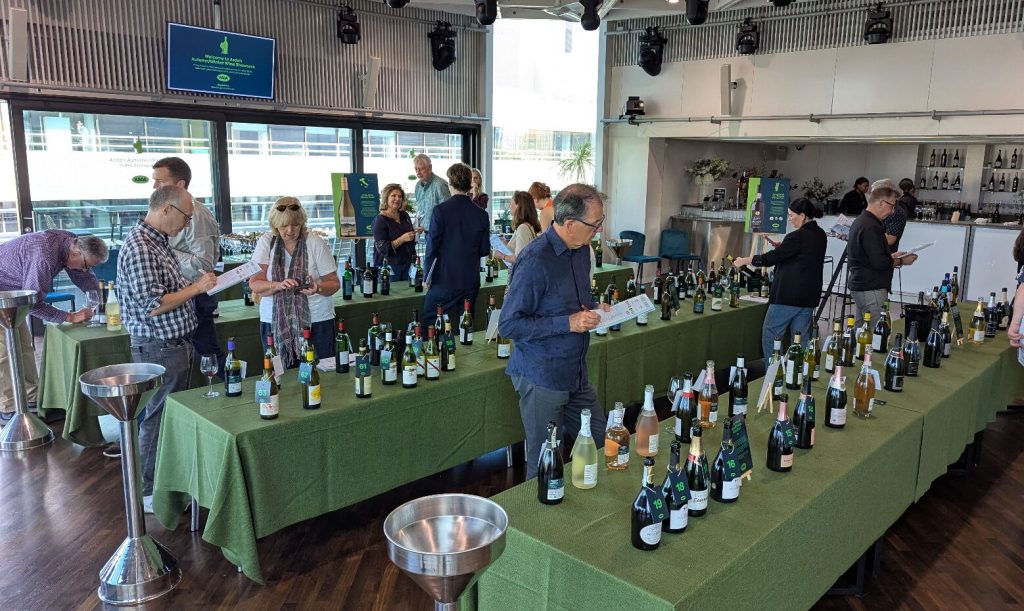
In September 2026, I was at the National Theatre in London for Asda’s Autumn/Winter Wine Showcase.
Asda is continuing to focus on offering great value at every level, with most of the new wines mentioned below being launched at around the same time as the tasting.
It has also been a record-breaking year for awards. Asda picked up an impressive 460 medals across the International Wine Challenge (IWC), International Wine & Spirit Competition (IWSC) and Decanter World Wine Awards (DWWA), more than any other retailer. Even more impressively, 46% of the wines entered received either a Gold or Silver medal.
With over 100 wines tasted, these were the wines that impressed me the most:
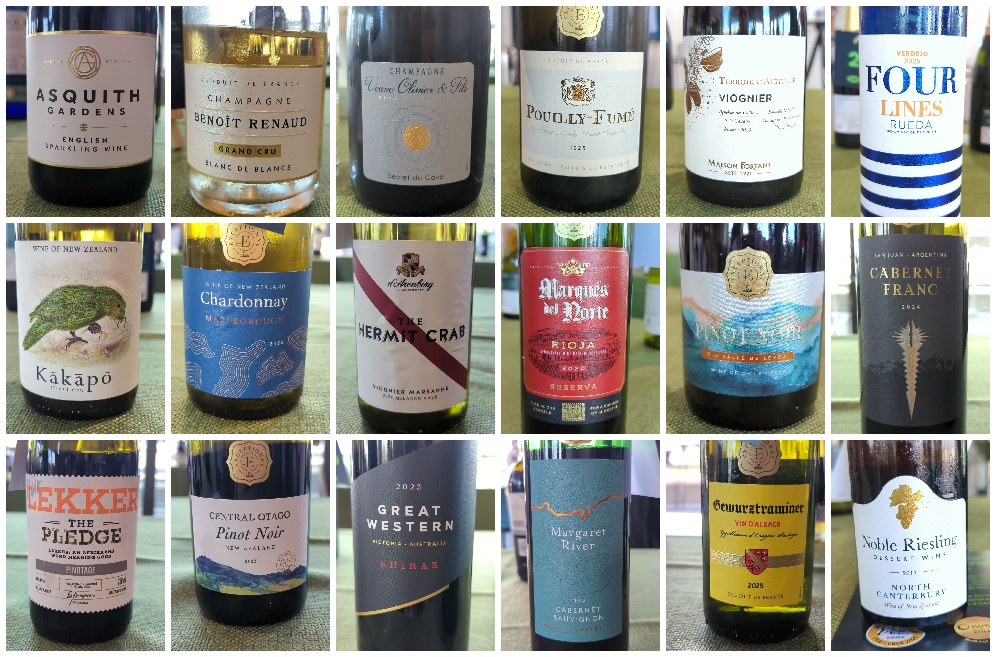
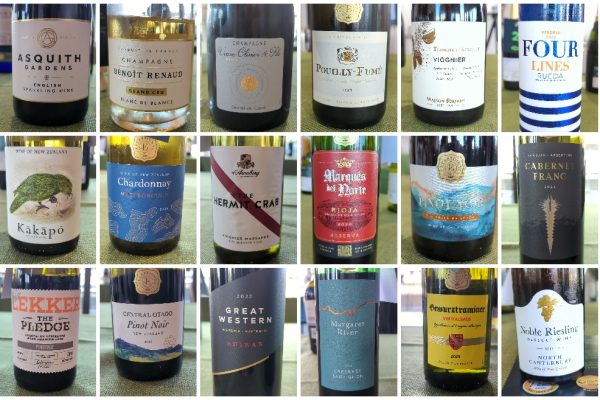
Asquith Gardens English Sparkling Wine NV 12% £18.50
A wine I have previously reviewed separately and it continues to impress. Made by Rolling Green Hills Ltd and rumoured to originate from Nyetimber, it is a blend of 62% Chardonnay, 29% Pinot Noir and 9% Pinot Meunier. Brioche, lemon and apple aromas lead into sweet apple and citrus flavours, with touches of honey and a long, biscuity finish. Awarded IWSC Silver and Decanter Bronze, this is exceptional quality for the price.
Benoît Renaud Blanc de Blanc Grand Cru Champagne NV 12% £32
New to Asda, this Grand Cru Champagne is made from 100% Chardonnay. Pale lemon in colour, with citrus, green apple, white flowers and a honeyed aroma. Citrus and green fruits are joined by almond and a lovely intensity of brioche. Brut in style, with high acidity and a long finish.
Champagne Veuve Olivier & Fils Secret de Cave NV 12% £28
A blend of 40% Pinot Meunier, 40% Chardonnay and 20% Pinot Noir, aged for a minimum of five years on the lees. Fresh apple and almond aromas are followed by a rich, creamy character with honey and brioche flavours. It comes across sweeter than the preceding Benoît Renaud. This is a beguiling wine, as I picked it two years ago only to purchase it later and be disappointed. With IWC Silver, IWSC Silver and Decanter Silver medals, it is tasting so nicely again that I am giving it another chance.
Exceptional Pouilly-Fumé 2025 13% £17
Made from 100% Sauvignon Blanc and aged for three months on the lees. Pale lemon in colour, with citrus and green apple alongside a slight smoky flint note. Crisp citrus and green fruit are supported by a smoky, slightly mineral spine. It is technically dry but appears slightly off-dry, with high acidity and a long, precise finish. An IWC Silver and Decanter Gold winner, with great intensity approaching that of a New Zealand Sauvignon Blanc.
Fortant Terroir d’Altitude Viognier 2025 12.5% £10.11
Medium lemon-gold in colour, with apricot, peach, honeysuckle and ginger aromas. There is more oak than a typical Viognier, although it never becomes overwhelming. Lush tropical and stone fruit flavours come with a slightly oily texture and a light oaky character. Dry to off-dry, medium to full in body, with a perfumed and long finish. Great value for the amount of flavour.
Cuatro Rayas Four Lines Verdejo 2025 12.5% £9.16
Another wine I have previously picked and reviewed separately. Made from 100% Verdejo, it brings lemon, fennel, cut grass and a little tropical fruit on the aroma. Zesty citrus and herbal fennel follow, with plenty of flavour and a character that again comes across a touch sweeter than it really is. Dry and light to medium in body, with medium to high acidity and a fresh, herbal and salty finish.
Kakapo NV 12% £6.50
From North Canterbury, New Zealand, this past favourite returns in a new blend of 45% Riesling, 3% Chardonnay, 12% Pinot Noir, 39% Sauvignon Blanc and 1% Pinot Gris. Aromatic and juicy, with tropical and stone fruit character. A great affordable alternative to Riesling.
Exceptional Marlborough Chardonnay 2024 13.5% £10.42
New to Asda. Lemon to gold in colour, with citrus and stone fruit supported by subtle vanilla and toast. Ripe fruit is nicely balanced by freshness and restrained oak. Dry and medium-bodied, with a long citrus and nutty finish. Lovely for the price.
The Hermit Crab 2024 14% £14.72
From d’Arenberg in McLaren Vale, Australia, this is a blend of 53.5% Viognier and 46.5% Marsanne. Fragrant and aromatic, with peach, nectarine, pineapple and floral hints alongside a touch of ginger. Peach, nectarine and candied citrus continue through the wine, which has a lovely, generous mouthfeel. An IWC Silver winner.
Marqués del Norte Rioja Reserva 2020 14% £10
Made by El Coto from 100% Tempranillo. Classic aromas of red cherry, strawberry, vanilla, dill and sweet spice lead into blackberry, dark plum and mocha with gentle oak spice. Dry and medium-bodied, with medium tannins and a long, spiced finish. Excellent for the price and was particularly good with the lunch food provided. A Decanter Silver and IWSC Silver winner and one of my favourite wines of the tasting.
Exceptional Pinot Noir 2025 13.5% £8
Made by Luis Felipe Edwards in Chile from 100% Pinot Noir. Red cherry, strawberry, rose and coastal herbs give it an attractive aromatic character, followed by red fruit and gentle spice. Dry and light to medium in body, with low to medium tannins. The finish is elegant, fresh and floral. Excellent value.
Exceptional Cabernet Franc 2024 13.5% £7.50
New to Asda and from Argentina. Deep ruby-purple in colour, with concentrated blackcurrant and plum aromas alongside a herbal lift and cedar. Ripe red plum and black cherry flavours give it plenty of depth. Dry and medium-bodied, with medium tannins and a long finish of cassis and light mineral character. Excellent value.
The Pledge Pinotage 2025 14.5% £10
New to Asda and from South Africa. Deep ruby-purple in colour, with plum and blackberry alongside hints of hoisin/umami and sweet spice. Rich dark fruit is balanced by a savoury and spicy character. Dry and medium-bodied, with low tannins and a spiced finish.
Central Otago Pinot Noir 2023 13% £9
From North Canterbury, this is another past favourite that appears to have been reduced in price. Made from 100% Pinot Noir and partially matured in oak barrels for twelve months, it combines plum and cherry fruit with savoury, earthy notes.
Great Western Shiraz 2023 14% £9
A true find a year ago, and the same vintage is still just as good. I have also reviewed this one separately before. From Victoria, Australia, the blend is 97% Shiraz with small amounts of Pinot Meunier, Pinot Noir and Viognier. The aroma is bold and vibrant, dominated by blackberry and blueberry with a savoury twist and a touch of dried herbs. Lush dark fruit sits over a gently earthy and herbaceous character. Dry and medium-bodied, with subtle tannins providing just enough grip and a lingering, savoury and satisfying finish.
Margaret River Cabernet Sauvignon 2024 14% £7.50
Another previously reviewed classic, now in a newer vintage. Cabernet Sauvignon remains at the heart of the blend, with touches of Merlot and Petit Verdot. Leathery and fruity aromas lead into black fruit flavours, without any cloying residual sugar usually found at this price level. It has a rounded mouthfeel, especially impressive at this price, while the tannins are also present and nicely rounded. Still a bargain.
Exceptional Gewürztraminer 2025 13% £9.25
Coincidentally, this is a newer vintage of a wine I purchased the previous week as part of the Asian Food with Wine review. Medium lemon-gold in colour, with rose, lychee, passion fruit, ginger and exotic spice. Perfumed and slightly oily in texture, with low acidity. Off-dry and medium to full in body, leading to a spicy, perfumed and warming finish.
Noble Riesling 2017 8.5% £9.94
Made by Pegasus Bay in North Canterbury, New Zealand, from nearly 100% botrytis-affected fruit, the most they have had for the last 15 years. Orange marmalade, citrus and saffron combine in a rich and intensely sweet dessert wine. It has much in common with a sweet Tokaji, while the sweetness is sufficiently tamed that it never becomes excessive like a Sémillon I also tried at the tasting. An IWSC Gold and Decanter Gold winner. Amazing for the price and one that should sell out at Christmas.
I had the chance to speak to Asda’s Lead Trading Manager about some of the wider trends shaping wine sales. The new Exceptional branding appears to be working well, helping Asda compete more effectively with the premium own-label ranges offered by other supermarkets. As with many retailers, red wine is becoming more challenging to sell than white or rosé, with rosé in particular continuing to see strong growth.
Those who follow my coverage of 25% off wine promotions will know that Asda hasn’t run as many of these events as some of its rivals, so I was keen to learn more. I had a very interesting chat about offering 25% off, but the long and short of it is that promotions such as three bottles for £20 are currently seen as a better fit for its customers. One-off promotions have also been particularly effective at getting shoppers through the door, such as the recent £5 La Vieille Ferme ‘chicken wine’ offer. However, if you’re a fan of Asda’s 25% off wine events, there’s no need to worry. They aren’t disappearing altogether, but are more likely to be concentrated around major seasonal periods such as Christmas and Easter.
Availability will vary by store and prices are subject to change.

View from The National Theatre