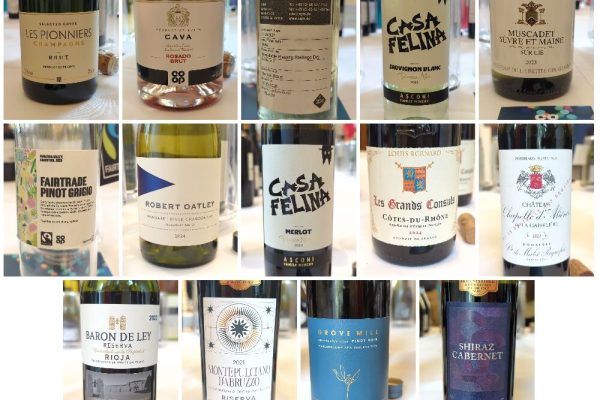
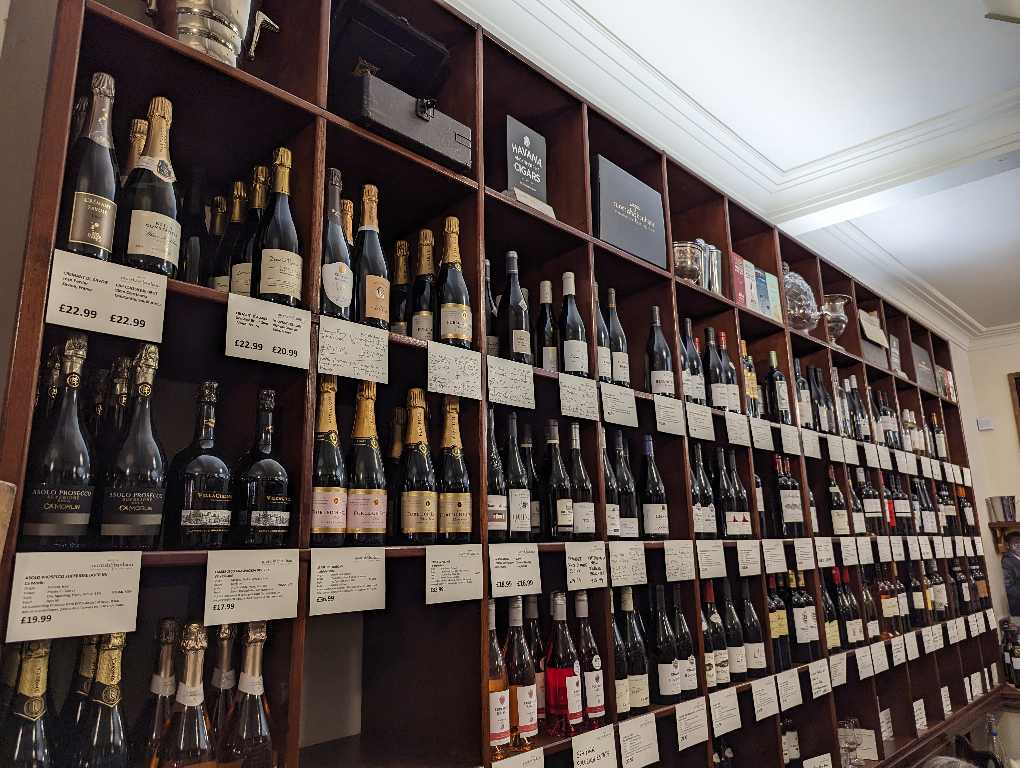
I buy, and am sent, a lot of bottles, which means I get to see certain trends developing across the wine market. One that has become increasingly noticeable is the number of older vintages, or previous years’ releases, still sitting on retail shelves.
From my perspective, it has caused quite a few bottles not to taste as they should. In these cases, I have chosen not to review them. You could describe these wines as ‘tired’, but the reality is that many mass-consumer wines are made to be drunk when they are released. A year or two later, they may have aged beyond the point at which they are tasting as intended.
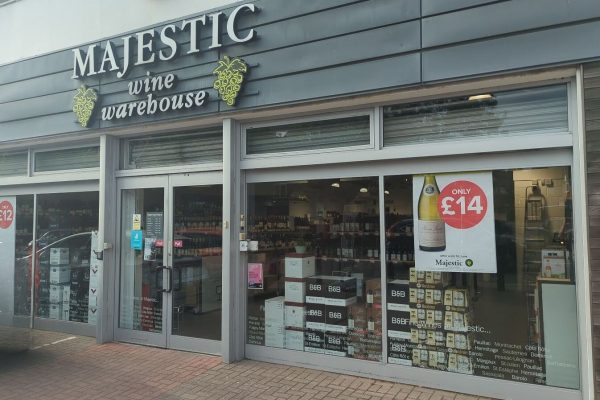
Why has there been a change in the number of older vintages available? I do not know for sure, but I suspect there are several reasons. One is that fewer bottles are being sold. That would seem to match the frequent, and perhaps excessive, 25% off promotions designed to reduce inventory. Another possibility is that importers bought in bulk to get ahead of recent duty rises, leaving more stock in the system than retailers can comfortably shift. Storage may also be part of the problem. Warehouses and retail environments where temperatures fluctuate widely can damage wine.
So what can you do? Start by making a note of the vintage of the wine you are buying. Take a quick look online to see how long that wine has been around, and whether a newer vintage has been mentioned anywhere. If the current vintage is widely available elsewhere but an older one is still sitting on the shelf, that may be a warning sign.
Most everyday wines are at their best when they are young. The same applies at home. You should not keep bottles for any length of time unless you know they are wines that will genuinely benefit from ageing and unless you can store them properly.