
Reviews
-
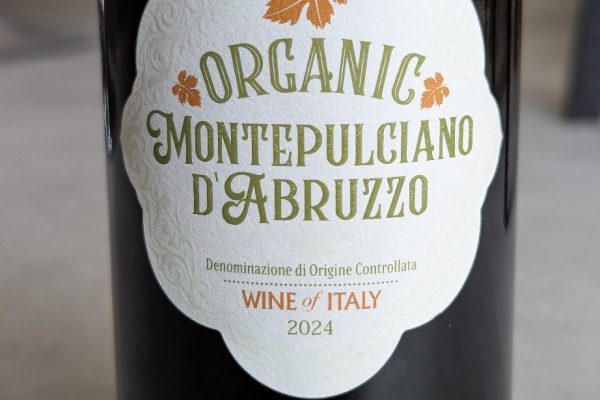
The Best Organic Montepulciano d’Abruzzo
This has been a long-time favourite of mine. At the last Morrisons press tasting, I found that the 2024 vintage was even better than usual and it ended up being my favourite red of the whole tasting. More recently, I had to try it again when I saw it on offer, just to check it…
-
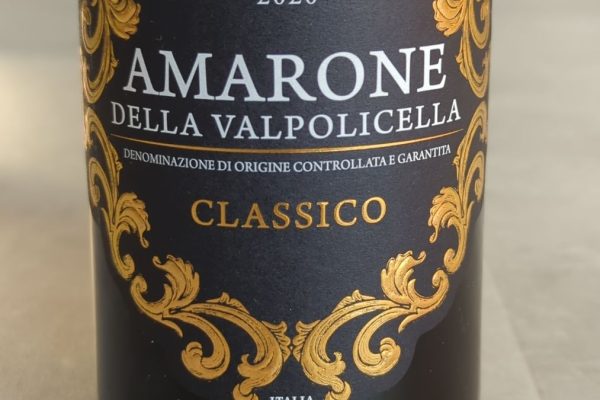
Lidl Amarone della Valpolicella Classico
I came across this 2020 vintage Amarone at a Lidl press tasting, where I thought it was the best wine on show, clearly better than the previous 2019 vintage and easily the best supermarket Amarone I have come across so far. Since then, I had been keeping an eye out for it to appear in…
-
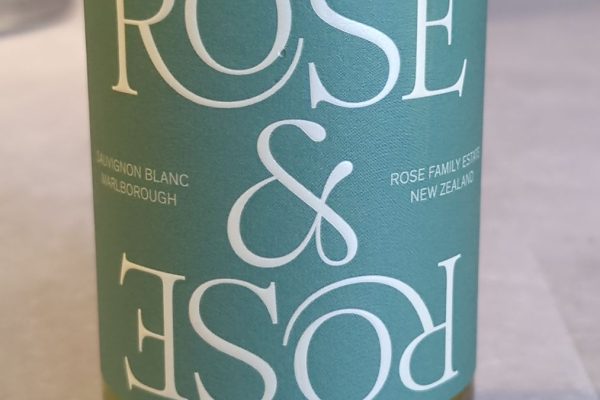
Rose & Rose Sauvignon Blanc
I first came across this wine at a Majestic press tasting and thought it was one of the best bottles on show. I had to try it again to see what it was like outside a line-up of 120 wines, how it changed with temperature and whether it would still impress. It comes from Marlborough’s…
-
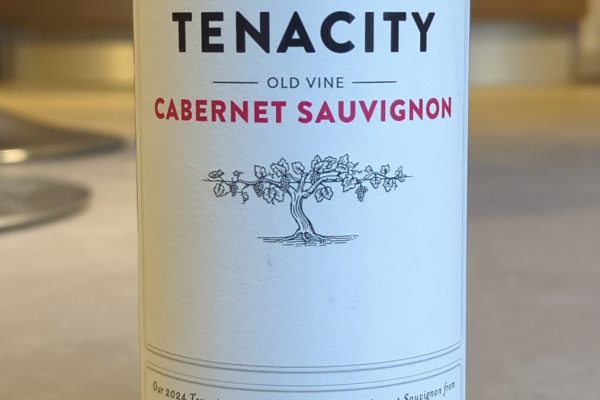
‘Tenacity Old Vine’ Cabernet Sauvignon
Two Hands ‘Tenacity Old Vine’ Cabernet Sauvignon comes from old vines in McLaren Vale and Barossa Valley, Australia. This is the 2024 vintage, produced by Two Hands, with the aim of making wines that feel softer and more approachable. The name Tenacity reflects the determination and perseverance of old vines that have become such an…
-
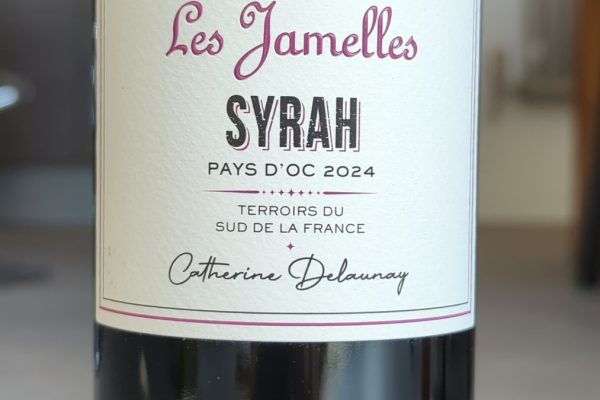
Les Jamelles Syrah
Les Jamelles Syrah is a 2024 vintage from the Languedoc region in the South of France, made by winemaker Catherine Delaunay. It is 100% Syrah. The majority of the wine is made using a traditional South of France method known as “la cocotte”, or the casserole. At the end of alcoholic fermentation, the pomace, skins,…
-
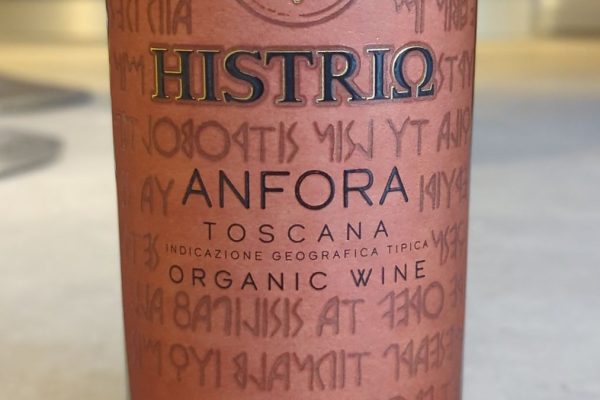
Piccini ‘Histrio’ Anfora Toscana Rosso
‘Histrio’ Anfora Toscana Rosso, by Piccini, is a blend of Sangiovese and Malvasia Nera, given 12 weeks maturing in special clay amphorae, which is where the name comes from. As a bit of context, clay is slightly porous, so tiny amounts of oxygen work their way in over time. It behaves a little like oak…
-
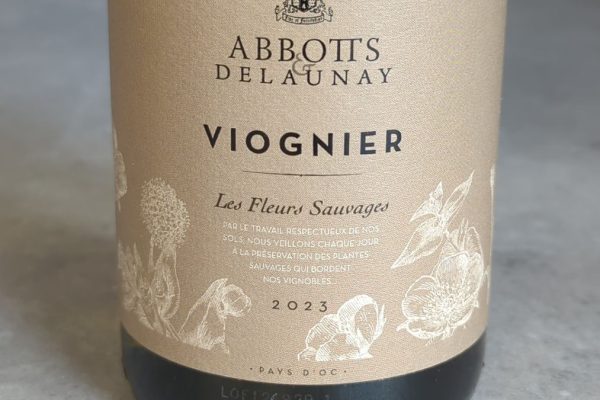
Abbotts & Delaunay ‘Les Fleurs Sauvages’ Viognier
Abbotts & Delaunay ‘Les Fleurs Sauvages’ Viognier comes from Pays d’Oc in southern France, specifically the Hérault and the Aude Valley in the south of the Minervois. It takes its name from the wild plants, fleurs sauvages, that grow along the edges of the vines. This is 100% Viognier from the 2023 vintage, with 13.5%…
-
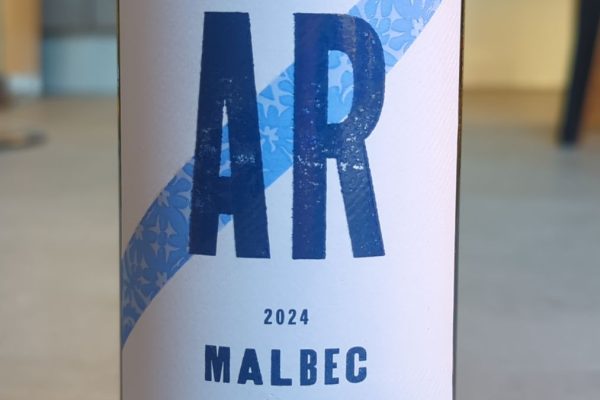
Graffigna AR Malbec
AR Malbec comes from Argentina and from Graffigna, one of the country’s oldest and pioneering wineries, in fact the third-oldest winery in Argentina. The vineyards sit in both San Juan and Mendoza and this particular wine was developed exclusively for the UK market. It is the 2024 vintage, comes in at 12.5% ABV, and 20%…
-
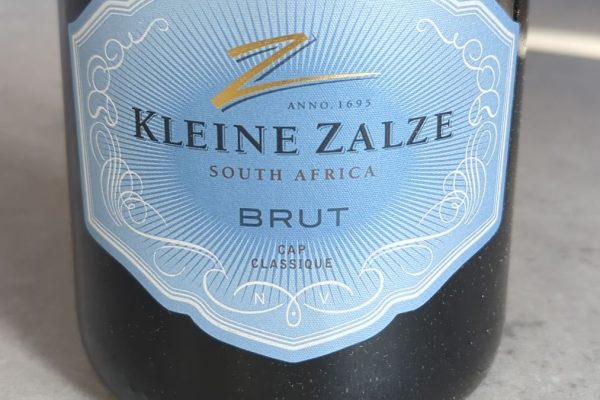
Kleine Zalze Cap Classique Brut
This wine from Stellenbosch, Western Cape, South Africa, is a traditional method sparkling wine. It’s made using Chardonnay and Pinot Noir grapes and sits at 12% ABV. In the glass it has a pale salmon colour with loads of lively, fine beads that keep on coming. Aroma wise it gives off fresh apple and citrus,…
-
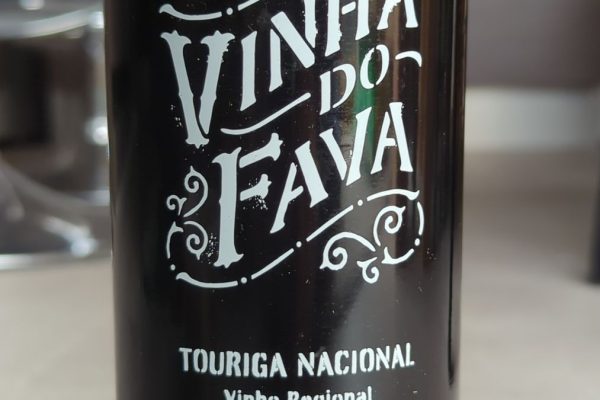
Vinha do Fava Touriga Nacional
Vinha do Fava Touriga Nacional comes from Casa Ermelinda Freitas, a producer going back to 1920. It is from Portugal’s Península de Setúbal and the estate has been run by three generations of women. Casa Ermelinda Freitas is also one of the biggest producers in Portugal. The estate bought this vineyard from Senhor Fava, one…
-
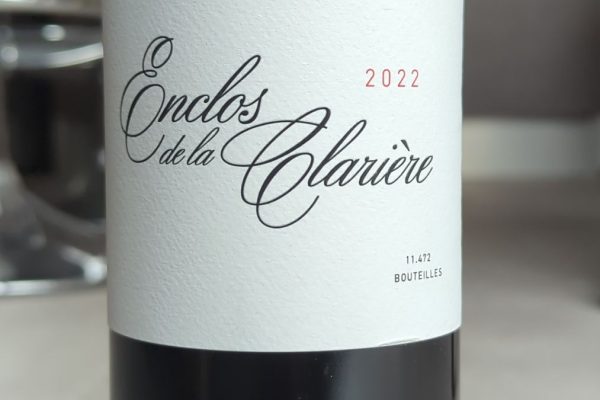
Enclos de la Clarière
Enclos de la Clarière comes from the Castillon side of the Saint-Émilion border. “Enclos” in the name points to a distinct, enclosed single vineyard parcel, and this wine comes from one such site, just six metres from some of Saint-Émilion’s most expensive Grands Crus Classés. Tony Laithwaite’s long connection with Castillon led him to buy…
-

Bleasdale The Wild Fig
Bleasdale The Wild Fig comes from what was the first winery in the relatively cool-climate Langhorne Creek, founded way back in 1850 and it is still owned by the Potts family. This is a Rhône-style GSM blend, Shiraz 67%, Grenache 26%, Mourvèdre 7%, spends six months ageing in large oak casks. It is 13.5% ABV…
-
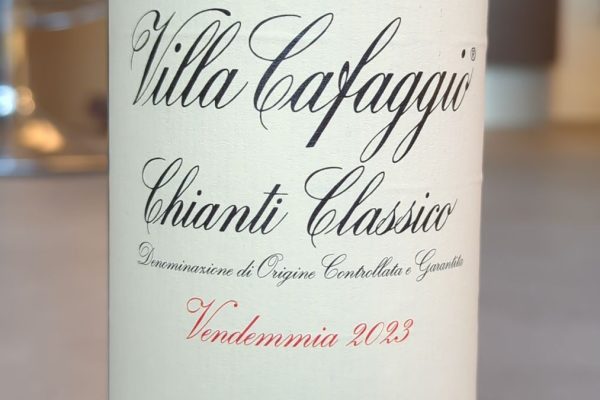
Villa Cafaggio Chianti Classico
Villa Cafaggio Chianti Classico comes from an estate in Panzano in Chianti, with a documented history reaching all the way back to 1408. “Classico” matters here because it means the wine is from the original, historic Chianti zone, before the area was expanded much more widely. This is 100% Sangiovese, given 12 months of maturation…
-
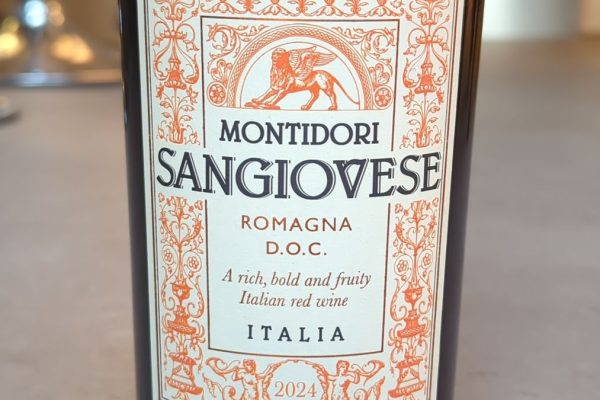
Montidori Sangiovese
This one comes from Emilia-Romagna in Italy. It’s made from Sangiovese, the grape behind Chianti, with a touch of appassimento, that dried-grape technique that brings extra mid-taste richness. It has a high 4.1 scrore on Vivino and this is the 2024 vintage. You get red fruit and caramel on the aroma straight away. Full bodied,…
-
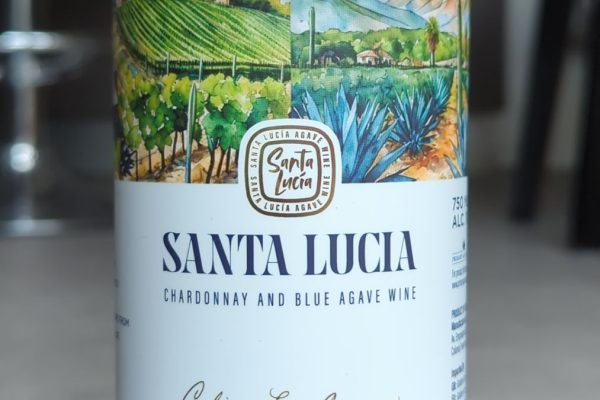
Santa Lucia Chardonnay and Blue Agave Wine
This is a very different one, from Mexico. It’s a blend of Blue Weber Agave and Chardonnay, with the agave coming from Jalisco’s Highlands and the Chardonnay from Valle de Guadalupe. So what is agave? It’s a thick, fleshy, often spiky succulent plant, with leaves that radiate from a central stem. It’s the only plant…
-
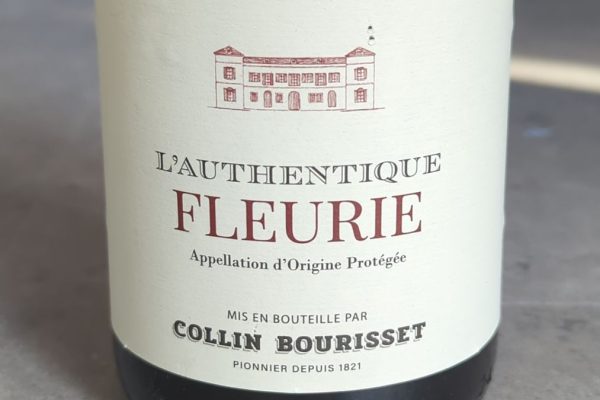
Collin Bourisset Fleurie
This wine comes from a house established in 1821, based in and around the southern Burgundy to Beaujolais crossroads near Crêches-sur-Saône and La Chapelle-de-Guinchay. “The Authentic” on the label leans into a traditional character and you can feel it’s meant to echo the house’s history rather than chase trends. It’s Gamay grape, 2023 vintage, 13%,…
-
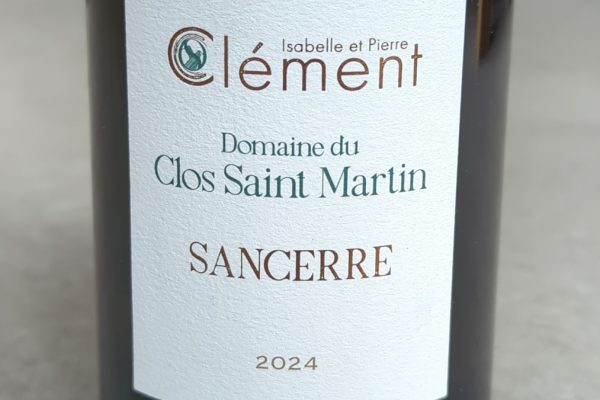
Domaine du Clos Saint Martin Sancerre
This wine comes from the Loire Valley, produced by the Clément family near the hamlet of Amigny, just below the village of Sancerre. The Clément family have been winegrowers since 1560 and the estate is certified organic. This Sancerre is new and exclusive to Majestic, made from 100% Sauvignon Blanc, sitting at 12.5% abv, from…
-
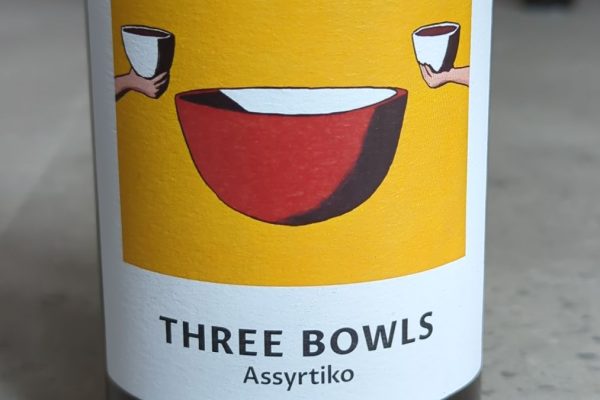
Three Bowls Assyrtiko
This is the third wine in the Three Bowls series from Greece. For the wider story behind this new range, take a look at the Three Bowls Xinomavro. It’s the 2025 vintage, sitting at 12.5% ABV, made from the Assyrtiko grape. In the glass the colour is extremely pale lemon, almost clear, so very striking….
-
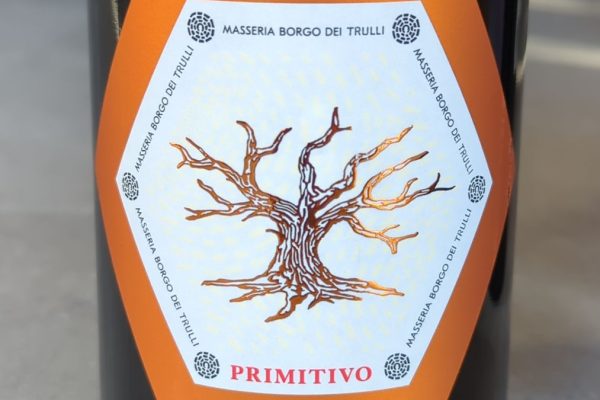
Lucale Primitivo Appassimento
This wine by Masseria Borgo dei Trulli comes from low yielding vineyards in the communes of Avetrana and Manduria, in the Province of Taranto in southern Puglia. It is 100% Primitivo. The label says Appassimento, which is usually the traditional Italian method where harvested grapes are dried for weeks or months, often on mats in…
-
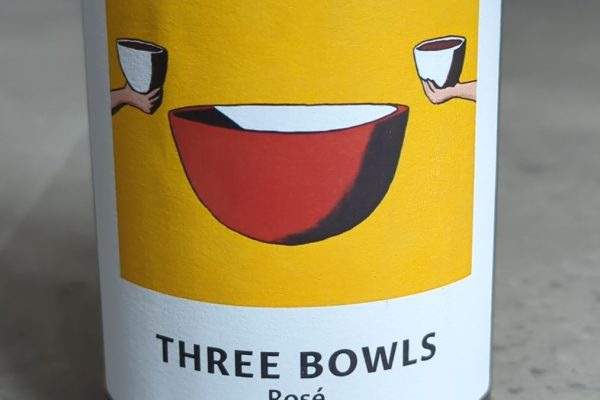
Three Bowls Rosé
This is the second of three reviews of the Three Bowls range of Greek wines. See the previous review of Three Bowls Xinomavro for the background on this new range. This one is 2024 vintage at 12.5%. It is 60% Xinomavro and 40% Assyrtiko, from vineyards in Naousa, Imathia, an interplay of these two landmark…
Follow



Did You Know?
Rías Baixas wines reached more than 107 countries in 2025 and exports represented 31 per cent of the denomination’s total sales. More
Light Strike Can Cause Wine Degradation in Just One Day. More
People actively adjust their wine choices depending on who might see them. More
In the UK, 73% of Alcohol is Bought From Retail Rather Than Hospitality. More
UK wine production reached 124,377 hectolitres that year, meaning the UK accounted for roughly 0.05 per cent of world output. More
For Crémant, grapes must be harvested by hand and the wines must undergo at least nine months’ ageing before release. More
In 2024, the UK was the second-largest export market for Champagne globally, after the United States. More
Local UK bottling of wine represents about 40% of imported wine. More
Around 1% of people, typically severe asthmatics, have a sulphite sensitivity. More
A large 80% of Australian wine arrives in the UK in bulk. More
Only about 0.02% of Australia’s landmass is dedicated to vineyards. More
In 2024, New Zealand produced only 1% of the World’s wine. More
In 2024, the US imported 37% of World production of Pinot Grigio and the UK was is in second place at 27%. More
In 2024, the UK was South Africa’s largest export market, with 40% of total exports. More
In 2024, the United Kingdom imported 22.3 million bottles of Champagne, a decline of 12.7% compared to the previous year. More
Larger Champagne producers source grapes from as many as 80 different vineyards throughout Champagne. More
Champagne houses and growers collectively produce around 300 million bottles annually. More
In 2025, the Champagne region was home to about 2,124 Champagne houses and approximately 19,000 growers. More
Provence is one of the leaders in the conversion to organic viticulture, with 61% of vineyards certified. More
8% of the South Africa’s grape production is Fairtrade-certified. More
Up to 80% of wine aroma compounds come from grape skins. More
Glycerol is the third-largest component of most dry wines after water and alcohol which is why they so often feel ‘smooth’ or ‘silky’ in the mouth. More
Humans are more than 400 times more sensitive to bitter than sweet. More
Humans can detect the earthy molecule geosmin at about 100 parts per trillion and camels are so sensitive to it they can locate damp ground from roughly 50 miles away. More
During the phylloxera crisis of the nineteenth century, 90% of Europe’s vineyards were destroyed. More
In 2025, for La Vieille Ferme, also known as “The Chicken Wine”, sales surged by 49.4% to £110.8 million. More
In 2025, in the UK, Yellow Tail held the top position with sales, marking a 9.8% increase over the previous year. More
In 2024, the UK was the second-largest wine importer in volume and value. More
In 2024, the UK was the fifth-largest wine-consuming country globally. More
In 2025, global wine consumption continued its downward trend, estimated at 214.2 million hectolitres, the lowest since 1961. More
In 2025, online alcohol sales had a 20% increase in value over five years. More
In 2025, the number of UK vineyards rose to 1,104 and wineries to 238, with land under vine expanding to 4,841 hectares, a 510% increase since 2005. More
Moët Hennessy alone commands nearly 46.66% of the Champagne market, with the top three producers together holding about 61%, and the top five controlling over 72%. More
In 2024, the Champagne market was worth roughly €3.92 billion. More
In the marketing year 2023/24, white wine accounted for roughly 55% of Spain’s output, whereas red and rosé together made up about 45%. More
In the UK, 92% of wine is consumed within 48hrs of purchase. More
The majority of wines, 95%, use commercial rather than wild yeast. More
Between 0.5 and 10 litres of water, per litre of wine, are needed for cleaning during winemaking. More
Machine harvesting can achieve up to 100 tons of fruit per day vs 1 ton for a human. More
In Germany, 2025 was the smallest wine vintage since 2010. More
The majority of vineyards, 90% in 2019, are farmed with heavy chemical interventions. Only 6% are organic. More
90% of low and coastal areas in south Europe and California will no longer be able to produce good wine by the end of the century. More
IMAGE WALL
Tools
Recent
-
Lidl Spring Summer Tours
-
The Best Organic Montepulciano d’Abruzzo
-
Lidl Amarone della Valpolicella Classico
-
Rose & Rose Sauvignon Blanc
-
Mystery Wine Bottle Dumping Leaves East Yorkshire Villagers Baffled
-

UK Supermarkets Spark Champagne Price War Before Easter
-
Tesco Spring/Summer Press Tasting
-
‘Tenacity Old Vine’ Cabernet Sauvignon
-

25% Off Wine at Sainsbury’s
-
Italian Wine Has a Trust Problem and the Official Checker is Not Helping
Tags
25% Off Wine Aldi Amarone Argentina Articles Asda Australia Award Awards25 Bizarre Blog Books Bordeaux Bulk Bottling Cabernet Sauvignon Carménère Cava Champagne Chardonnay Chile Climate Change Coop Costco Crémant Decanter Duty English Wine EPR Events Fairtrade Food France Germany Glossary Greece Health Hungary Italy IWSC Jeroboams Laithwaites Legislation Liberty Wines Lidl Low Alcohol M&S Majestic Malbec Merch Merlot Morrisons Natural News New Zealand Non-Alcoholic Ocado Old Vine Organic Past Tastings Photography Pinotage Pinot Noir Port Portugal Primitivo Prosecco Regulations Reviews Ribera del Duero Riesling Rioja Ripasso Rose Sainsbury's Saperavi Sauvignon Blanc Shiraz Sicily South Africa Spain Sparkling Spritz Supermarkets Sustainable Tax Terroir Tesco The Wine Society Unrepresented USA Valpolicella Virgin Wines Waitrose Wanderlust Welsh Wine What to Buy Wine Art WineGB WIne Glasses Zinfandel