The Wine Society, established in 1874, is the world’s oldest member-owned wine community. Today, it has more than 180,000 members and offers over 1,400 wines from around the world, sourced from more than 700 suppliers. With a strong focus on member interests over profit, it has built a reputation for quality, trust and value.
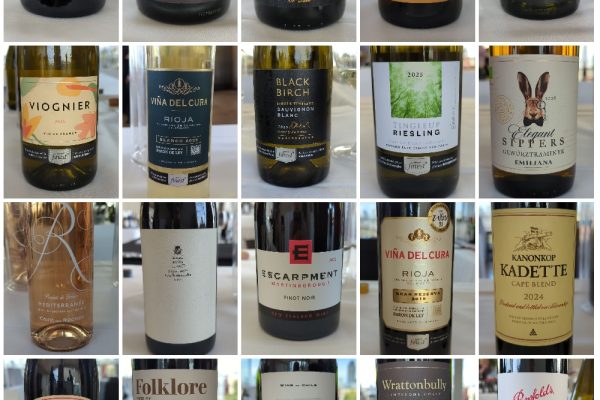
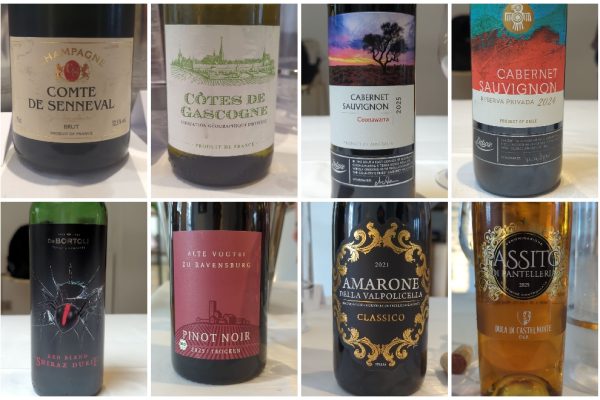
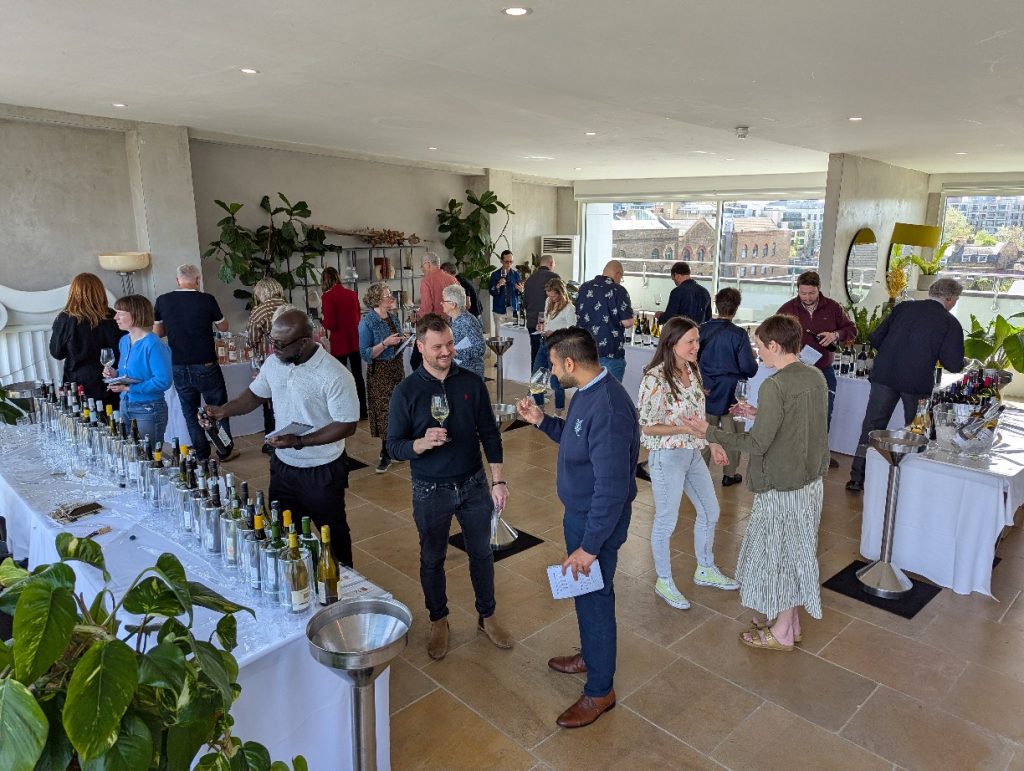
In mid-April 2026, I was invited to The Wine Society’s Spring/Summer press tasting in London, where around 120 wines were showcased. These were the bottles that particularly stood out to me:
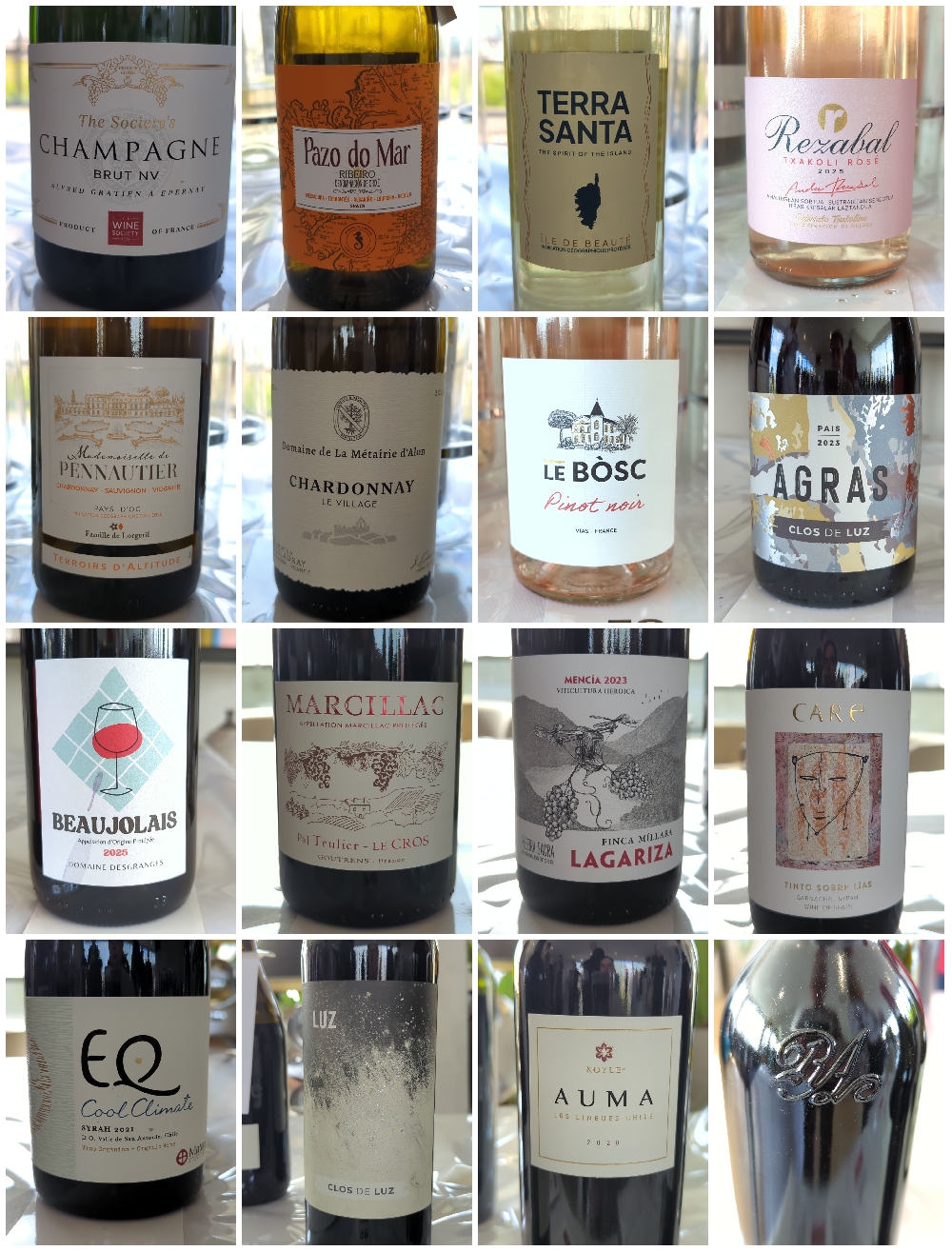
The Society’s Champagne Brut NV 12.5% £36.50
A blend of 52% Chardonnay, 15% Pinot Noir and 33% Pinot Meunier from Alfred Gratien, with whom The Society has worked since 1906, making 2026 the 120th year of that partnership. This is The Society’s bestselling Champagne, barrel fermented and given a long five years on the lees. Pale lemon in colour with a fine mousse, it has lovely aromas of green apple, lemon and pear, alongside brioche and biscuit from the lees ageing. The style is brut, with a medium body and high acidity. Crisp citrus and orchard fruit lead the flavour, followed by bready, biscuity complexity and the finish is long, chalky and precise.
Pazo do Mar Blanco, Ribeiro 2025 12.5% £9.95
Made from Treixadura, Torrontés, Albariño, Loureira and Godello, this new vintage comes from Pazo do Mar, a family winery in the Miño and Avia valleys of Ribeiro in Spain. The pear aroma is especially pronounced. On the palate it brings ripe melon and a very round feel, with good length and a slight citrus lift at the end. It gives the impression of sweetness, though technically it is not sweet.
Terra Santa Blanc IGP Ile de Beauté 2025 12.5% £9.75
This 100% Vermentino, also known as Rolle, is new to The Society from Corsica in France and comes from Cave d’Aleria. It has very floral aromas, then flavours of redcurrant, cranberry and some peach. There is a vivid, more intense character here than in other supermarket versions, which makes it stand out.
Rezabal Txacoli Rosé, Getariako Txakolina 2025 10.5% £12.95
A new vintage from Bodega Txakoli Rezabal in Spain, made from 90% Hondarrabi Beltza and 10% Hondarrabi Zuri. The aroma is full of red fruit, and there is a gentle spritz that adds to its charm. With the slight fizz and only 10.5% alcohol, it feels light and refreshing, with a long salty finish. It is a very novel, distinctive rosé.
Mademoiselle de Pennautier Blanc 2025 12.5% £11.50
From Domaine Famille de Lorgeril in the Pays d’Oc, this French white comes from the Cabardès area near Carcassonne, though the name cannot be used as Cabardès is permitted only for reds. The blend is 66% Chardonnay, 19% Sauvignon Blanc and 15% Viognier, which sounds quite a mixture on paper but works remarkably well. This new vintage has aromas of pear and lemongrass, followed by citrus and dried apricot flavours. Again, it comes across as sweeter than it really is, with a very good texture, impressive length and a style that feels a little different from the norm.
Chardonnay Domaine de la Métairie d’Alon Le Village 2024 13.5% £18
This 100% Chardonnay from Domaine de la Métairie d’Alon in France is done in a Burgundian style. Medium lemon-gold in colour, it has ripe citrus and stone-fruit aromas with hints of hazelnut, butter and toast from lees and oak influence. It is dry, with technically no sugar, and has a medium body with medium acidity. The flavour is layered with citrus and peach, a slightly creamy texture and nutty complexity. There is just enough oak, used with a subtle touch, and the finish is long with a lightly nutty aftertaste. An excellent wine, and I found it to be the best white in the tasting despite the fact I don’t personally usually favour Chardonnay.
Le Bosc Pinot Noir Rosé Pays d’Oc 2025 12.9% £9.75
This French rosé is 100% Pinot Noir and comes from Preignes le Vieux. It has a very expressive red berry aroma, then a long, red-fruited flavour. Although the sugar is very low, it gives an impression of sweetness. It personally thought it was the best lower-cost rosé of the tasting and I do actually question whether you need to pay more. At the other end of the scale, another great wine, Quinta de la Rosa Douro Rosé 2025 from Portugal at £19.50 offers much more distinction between aroma and taste, but that depends on you paying a lot more.
Clos de Luz Agras País 2023 12.5% £12.95
New from Clos de Luz in Chile, this is a field blend from 100-year-old País vines interplanted with about 10% Moscatel. It has a lovely light colour, almost pink, which immediately catches the eye. The aroma is intense, with strawberry and liquorice to the fore. On the tongue it is strawberry-led with an earthy, slightly savoury edge and the tannins sit at a medium level.
Beaujolais Domaine Desgranges 2025 12.6% £9.95
This, new to The Society, French Beaujolais from Domaine Desgranges is made from 100% Gamay. Pale to medium ruby in colour, it has pronounced aromas of strawberry, raspberry and rose petals. Dry in style, it brings silky, perfumed red fruit and more texture than the thinner examples of Beaujolais sometimes offer. There is also a slight tannic grip.
Marcillac ‘Lo Sang del Pais’ Domaine du Cros 2024 12.5% £11.50
A past favourite from Domaine du Cros in France. In this tasting it seemed to have a more oaky aroma than previously. Sampled twice during the tasting, it first appeared more tannic than usual, though once open for a while the tannins dissipated.
Finca Míllara Lagariza Ribeira Sacra 2023 12% £13.50
This Spanish red from Finca Míllara is 100% Mencía. It is made by Iván Olmedo, named Tim Atkin’s Galician Young Winemaker of the Year 2026. It is very expressive, with bright red cherry and raspberry, supported by floral touches and lifted violet aromas. The fruity taste is fresh yet deep with a touch of liquorice.
Care Tinto Sobre Lías Garnacha-Syrah Cariñena 2025 13.5% £9.50
From Spain and made by Care, this wine is a blend of 75% Garnacha and 25% Syrah. It is purple in colour, with a deep violet aroma. The fruit taste is full of strawberry and raspberry, with very good length. Despite that depth, there is also a sense of lightness and delicacy, which makes it especially appealing.
Matetic EQ D.O. San Antonio Syrah 2021 14.5% £22
This, new to The Society, Chilean Syrah from Matetic is 100% Syrah and deeply coloured purple. The aroma is intense, combining blackberry, black pepper, smoked meat, tar and black olives. Dry in style, with medium to full body and medium tannins, it delivers spicy dark fruit and savoury complexity. The finish is long. An excellent wine, and one of my favourites of the tasting.
Clos de Luz Carmenère 2021 13.5% £31
Again new, a Chilean red from Clos de Luz, made from 100% Carmenère and sourced from some of the oldest Carmenère vines in Chile. Deep purple in colour, it has aromas of black plum, blackberry, green peppercorn and smoky notes. The flavour is ripe and dark-fruited, with savoury herb and pepper detail and a soft texture. It is dry, medium to full-bodied, with medium tannins and a gently spicy finish.
Koyle AUMA D.O. Los Lingues Colchagua Valley 2020 14% £49
From Chile and made by Koyle, this blend is 52% Carmenère, 20% Cabernet Sauvignon, 11% Cabernet Franc, 12% Malbec, 4% Merlot and 1% Petit Verdot. There is a slight browning. The aroma is intense with leather and smoke, while the flavour brings black fruit and a full, generous texture. It has great length and feels properly luxurious.
The Society’s Exhibition “Selección Especial” Rioja Reserva 2021 14% £18.50
This Spanish reserva is 100% Tempranillo from La Rioja Alta. It is an own-label wine and the same wine as the estate’s private members’ cuvée, Alberdi. There was no label yet in the photo. The outstanding quality of the 2021 vintage led the winery to designate it “Selección Especial”, a distinction last used in 2001. There is some browning to the colour, and the aroma is lovely, with dried red fruits, leather, tobacco and sweet spice. Dry, medium-bodied and with low to medium tannins, it has matured red-fruit character. The finish is long, elegant and slightly savoury. An excellent wine, and another of my favourite reds of the tasting.
The Wine Society membership is available through a one-time fee of £40, which gives you a share in the Society and includes £20 off your first order. Members also enjoy access to exclusive tastings and events, along with one of its best benefits, free UK delivery on all orders, even if you are buying just one bottle!
Please note that at the time of writing, not all wines are in stock yet
and prices are subject to change.