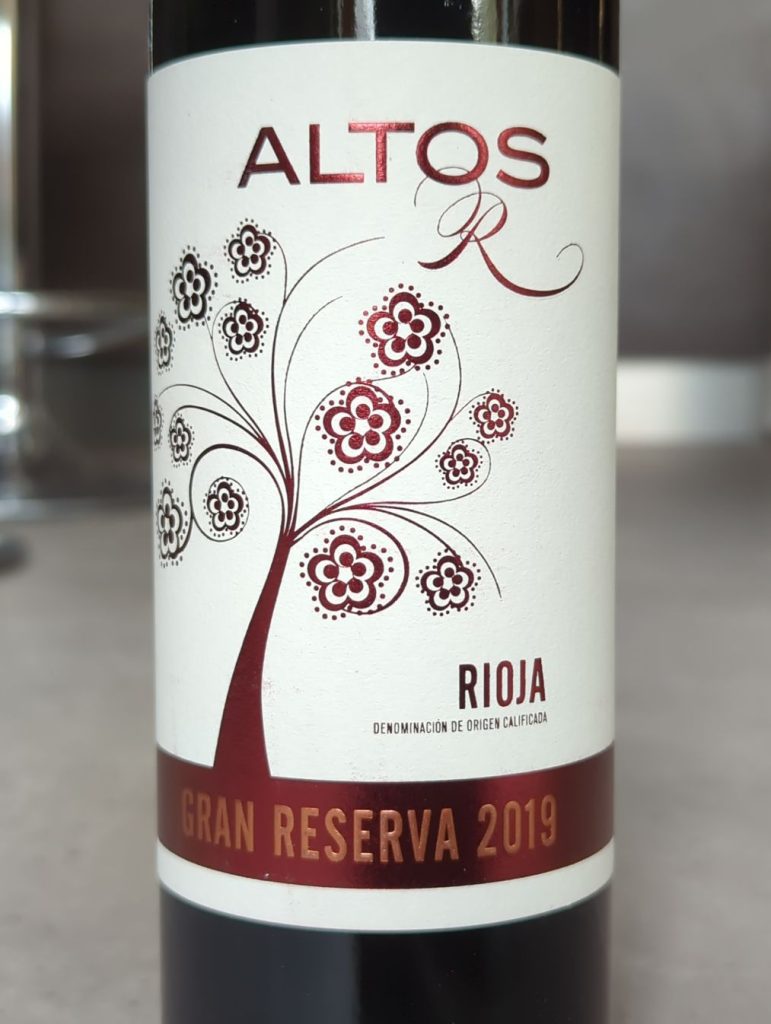
This is a slightly different take on Rioja with the winemaker behind it going a long way towards explaining why. Jean-Marc Sauboua is Bordeaux-born and has long enjoyed Trophy-winning success at Château La Clarière but his experience stretches well beyond Bordeaux. He has made wine across the world, and with Spanish blood on his side, perhaps it was inevitable that he would eventually turn his attention to Rioja. In 2006, he established his own Altos label, with the ambition of producing an elegant Rioja in the style of a Grand Cru claret.
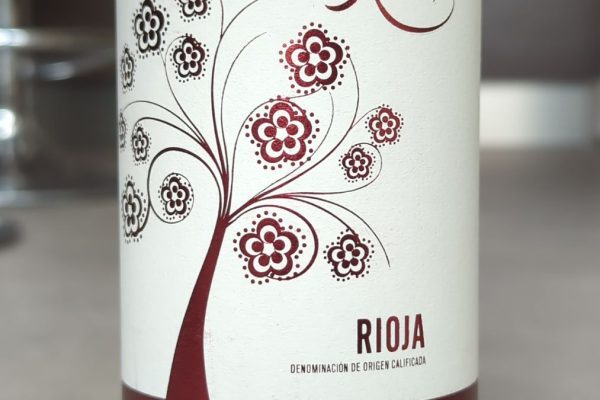
His old vines grow at over 700 metres, amongst the highest vineyards in Rioja, where the altitude helps preserve freshness and elegance. Even the vinery and wine label has a distinctive identity, featuring a stylised flowering tree. In the winery, French oak barriques are used for ageing.
For this 2019 vintage, Sauboua has brought all his French training to bear. Made entirely from old-vine Tempranillo grown at high altitude, it carries a substantial 14.5% alcohol. The critics have been impressed. It picked up a silver medal at the 2026 International Wine & Spirit Competition, while both Guía Peñín and Andreas Larsson awarded it 93 points.
This wine needs air. Give it at least 30 minutes in the glass or in the partly used bottle. The colour is a deep ruby red. There are aromas of ripe black cherries, plums and red berries, accompanied by warm spices. In the mouth it is dry and medium-bodied, with red fruit, oak spice and a gentle savoury character. The tannins sit between medium and high, giving it a firm structure, while the long finish brings toasted oak and lingering spice.
There is no doubting the quality here, but at £26 a bottle from Laithwaites, I initially struggled to reconcile the price with what I was drinking. It is in more premium territory and I wanted to understand what made it worth the money. So I opened a much cheaper Reserva, that I particularly enjoy at the moment, and compared the two. The Gran Reserva felt warmer in the mouth, but with less aromatic intensity and a distinctly woodier character. Where the Reserva was brighter and more immediately expressive, the Altos R was darker, more brooding and more serious.
Then came dinner, a beef dish, and everything changed. With food, the Gran Reserva suddenly found another gear. The fruit, tannins and oak came together beautifully, and a lovely oaky quality emerged in the finish that I hadn’t fully appreciated before. It had a depth that the Reserva couldn’t match. What had seemed a little restrained on its own became wonderfully expressive alongside the beef.
This isn’t necessarily the Rioja I would reach for when I simply fancy a glass of red on its own. It is a wine that comes into its own at the dinner table, where its structure, warmth and more taste make more sense.