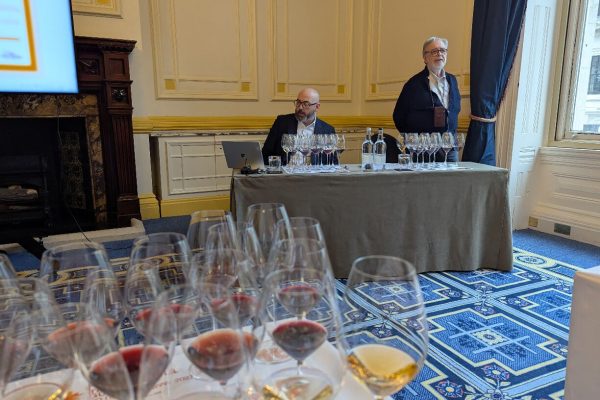
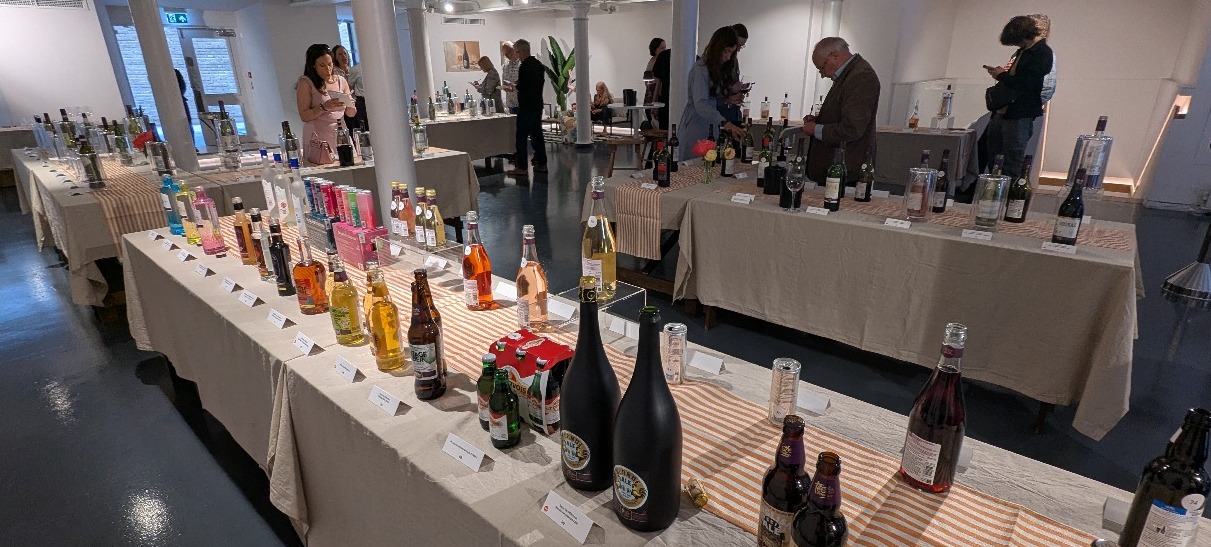
In early May 2026, I was invited to Sainsbury’s Spring/Summer Tasting in London.
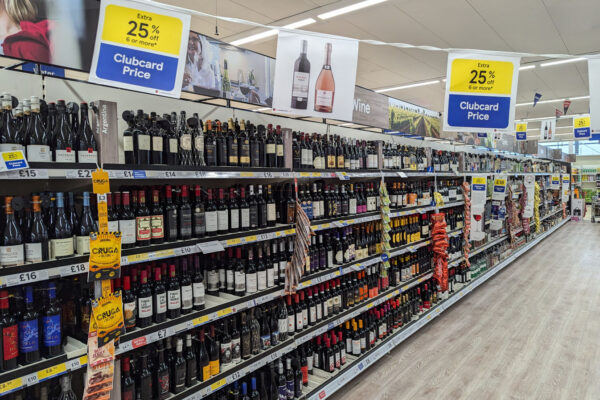
Trends Sainsbury’s is seeing include a growing interest in orange wine, with online searches up 100% year on year. Wines under £7 are proving popular with shoppers, as customers continue to look for good-value options. At the other end of the market, shoppers are also choosing premium wines for special occasions and gifts. Cider is also enjoying a revival, while botanical flavours are becoming increasingly popular.
At this tasting, there was a strong focus on Taste the Difference wines, a range which Sainsbury’s says aims to champion distinctive styles, emerging regions and wines with a clear sense of place. In total, there were 84 wines on show.
Here are my favourites:
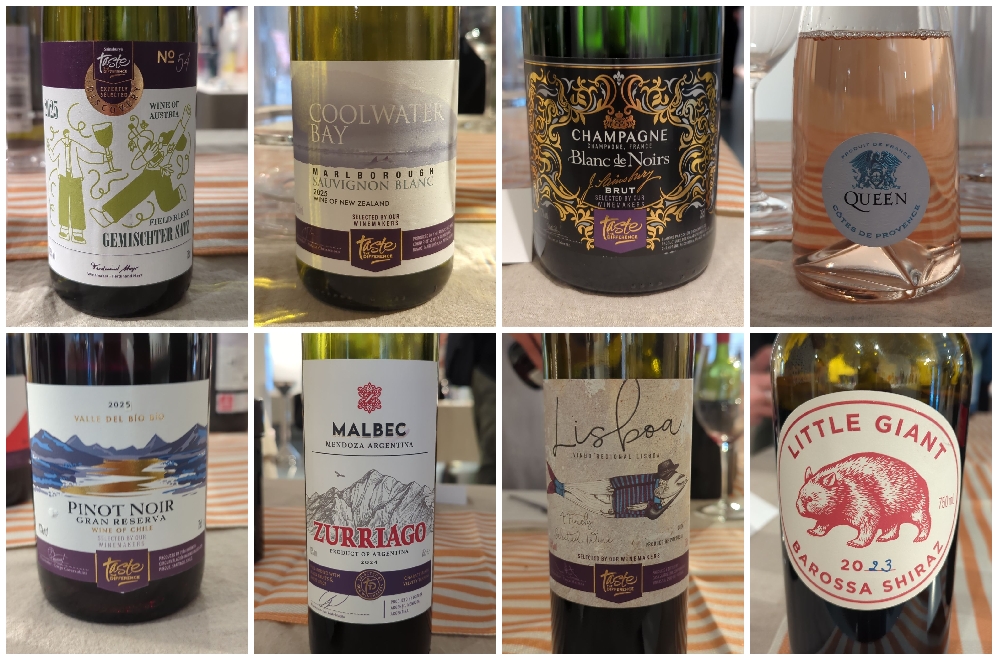
Taste the Difference Discovery Gemischter Satz 2025 12.5% £10
New and exclusive to Sainsbury’s, this is an Austrian field blend of Grüner Veltliner, Gewürztraminer, Chardonnay and Pinot Noir. It is made by Ferdinand Mayr, who is known for producing easy-drinking, classic wines. There is a fusion of citrus, peach and tropical fruit flavours, and if you concentrate, you can pick out each grape in the blend. Eight weeks on lees gives it a good mouthfeel and plenty of flavour. This would be a great match for Asian food.
Coolwater Bay Marlborough Sauvignon Blanc 2025 12.5% £10
Made by Yealands, one of my favourite wine producers, this is a pale lemon Marlborough Sauvignon Blanc with extreme aromatics. Gooseberry, passionfruit, red capsicum, cut grass and citrus all come through clearly. It is dry, light to medium in body, with crisp citrus and tropical fruit flavours. The finish is zesty and punchy, with lovely mouthfeel and great length.
Taste the Difference Blanc de Noirs Brut Champagne NV 12% £26
Made by Société Coopérative de Producteurs des Grands Terroirs de la Champagne, this Blanc de Noirs uses Pinot Noir and Pinot Meunier. It has a lovely deep brioche and ripe apple aroma, followed by an appley taste. It is fresh and long, with a long pastry finish that gives it extra appeal.
Queen Côtes de Provence 2025 13% £18
New and available now, this Côtes de Provence rosé is made with 70% Grenache and 30% Cinsault by winemaker Valérie Courrèges, who is known for premium Provence rosé. The colour is rose gold, and it is very aromatic, with classic strawberry, redcurrant, pink grapefruit and white flowers. It tastes dry and very fruity, with ripe raspberry and citrus, backed by brisk acidity. It is not too sweet. It seems expensive, but it was the best rosé in the tasting and probably worth it. However, there is more to this wine that I will explain later.
Taste the Difference Bío Bío Pinot Noir 2025 13% £9.50
This is a 100% Pinot Noir from Chile and a new vintage of a past favourite I have reviewed before. It is still very expressive and fruit-forward. It may even be better than the 2024, with a slightly fuller flavour and a great long finish.
Zurriago Argentinian Malbec 2024 13% £9
I am not usually taken by Malbecs, as there are too many average ones around, but this one bucks the trend. It is deep purple in colour, with aromas of black plum, blackberry, violet and cocoa. The taste is dry and full-bodied, with plush dark fruit, soft ripe tannins and a great mouthfeel. The tannins are medium, and the finish is long and dark-fruited. It has a smoother ending than many others and stood up well to Sainsbury’s lunch food.
Taste the Difference Portuguese Lisboa 2024 12.5% £8
This Portuguese red is a mix of Syrah, Castelão, Touriga Nacional, Alicante Bouschet and Tinta Barroca, made by Casa Santos Lima. It has vanilla and red fruit aromas, followed by vanilla oak, raspberry taste with deep flavour. The mouthfeel is good, with a great aftertaste with an oaky finish. It has much better character than you might expect at this price level.
Little Giant Barossa Shiraz 2023 14% £13
This is a 100% Shiraz with a deep purple-black colour. It has aromas of blackberry, plum, liquorice and black pepper. The taste is dry, rich and full-bodied, with plush dark fruit and chocolatey depth. Medium tannins add structure, and the finish is long.
At the end of the tasting, I was mulling over the wines and re-trying my picks alongside the excellent Sainsbury’s lunch. One wine I kept thinking about was the Queen Rosé, particularly the name. Why Queen? It turned out I was sitting next to Julie Sheppard, who explained the story behind it and had just written about the wine for Decanter. Queen, in this case, refers to the pop group. Roger Taylor and Queen Productions Ltd are behind the wine. The great taste and fame are likely to sell well.
In summary, the tasting was a mix of new discoveries, old favourites, unexpected value wines and a dash of celebrity.
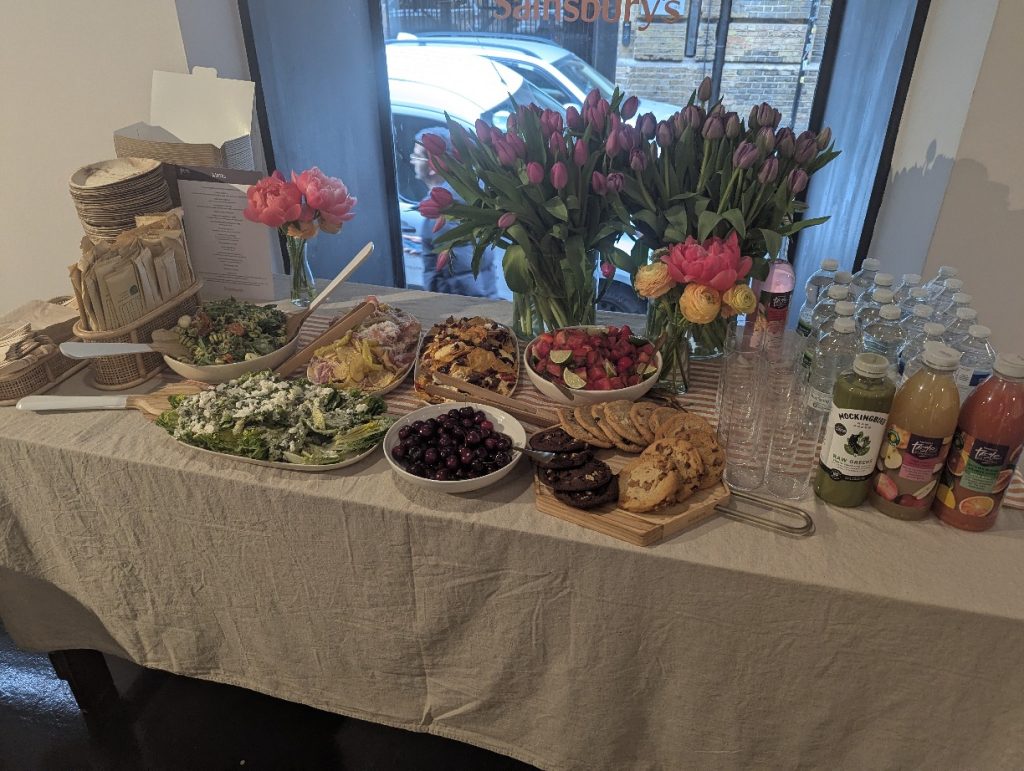
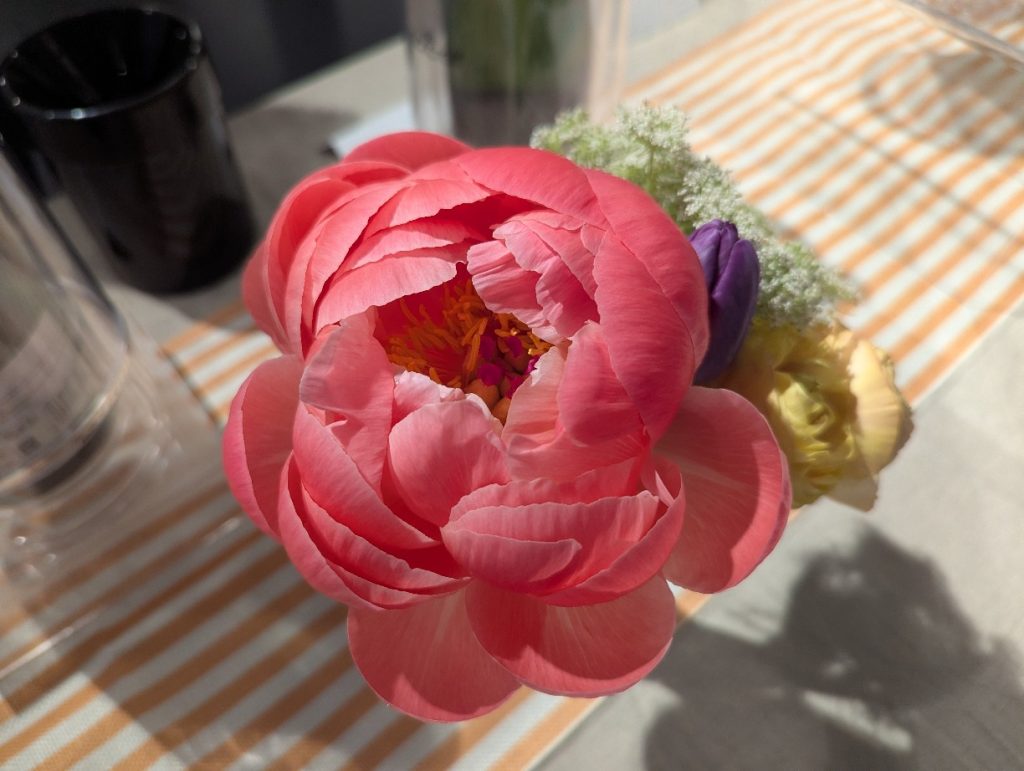
The tasting also had some great food… and great flowers.