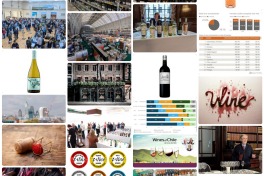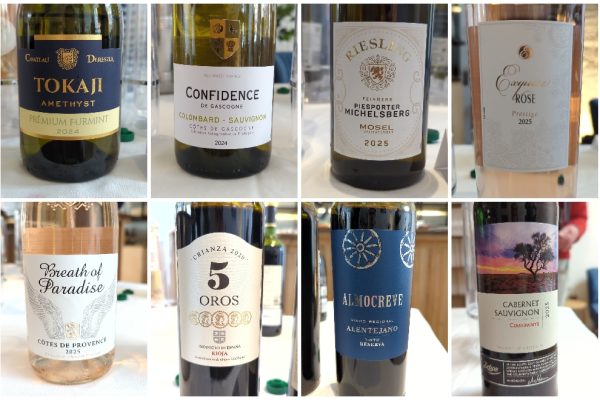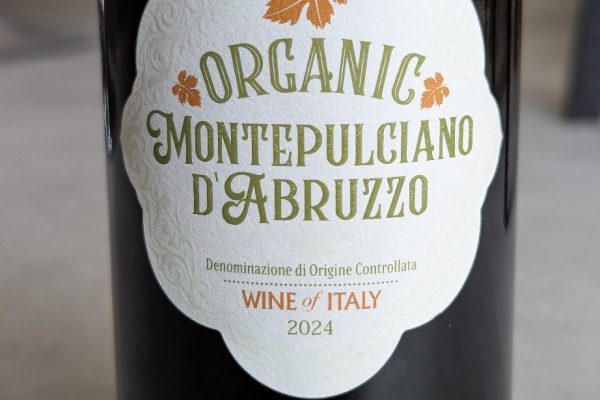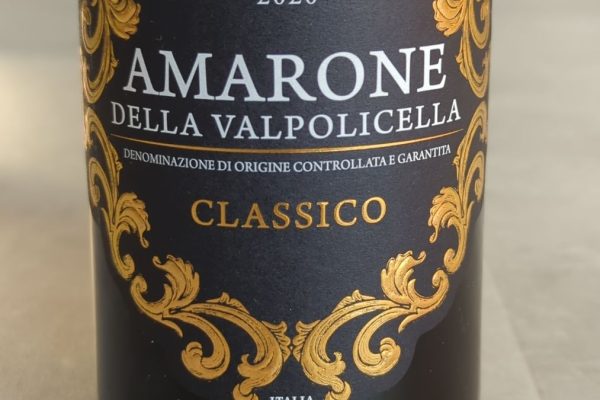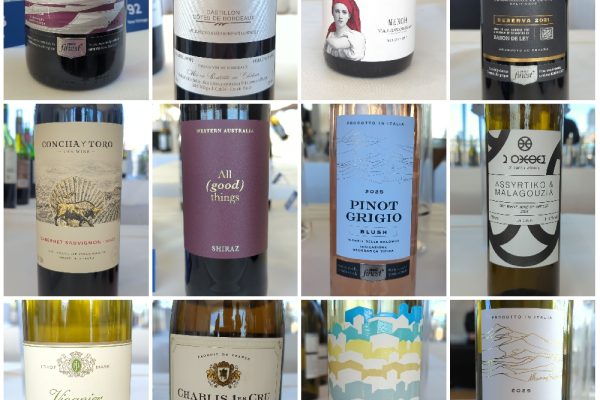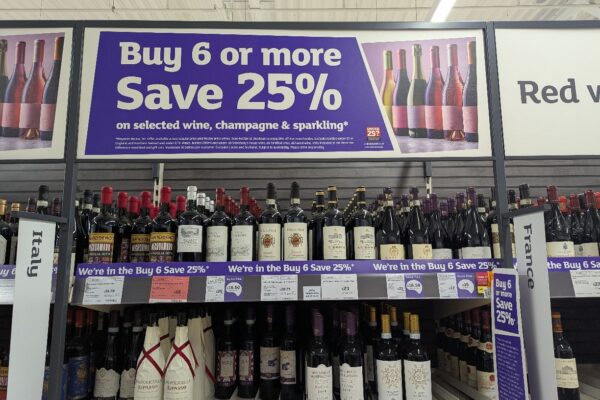
In early February 2025, I attended Lidl’s press wine tasting event in London, where they showcased wines set to be available from either the end of February and the end of March as part of their Wine Tour series. Alongside these limited-time selections, there were also a few wines from their core range.
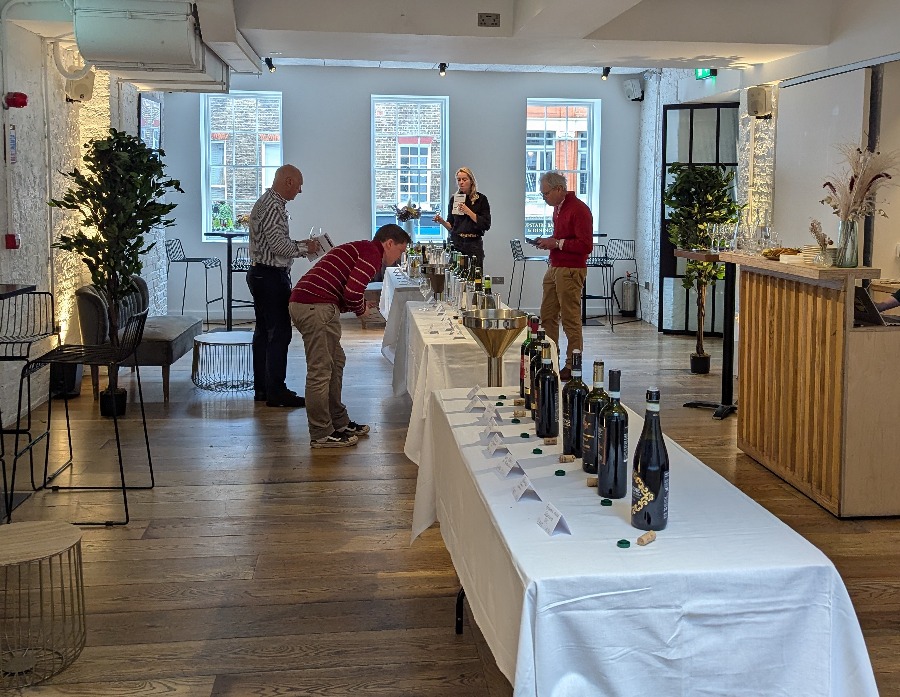
Lidl’s Wine Tours run for around two months, offering customers a chance to explore and purchase these wines while stocks last. However, the most popular selections often sell out sooner. The aim is to keep Lidl’s wine offering fresh and encourage customers to return regularly to discover new favourites.
The Wine Tours also serve as a testing ground, allowing Lidl to assess customer preferences and potentially add popular wines to their permanent range.
Wines That Stood Out
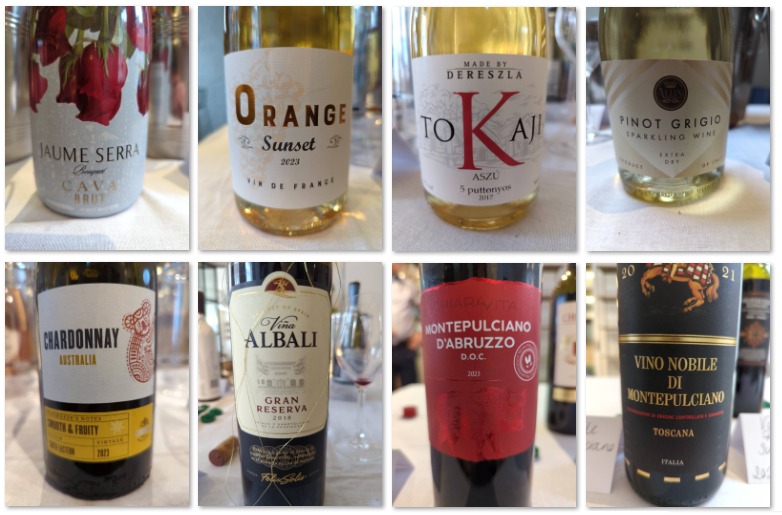
Cava Jaume Serra Bouquet Edition Brut NV, 11.5% – £7.99
Produced by Jaume Serra, it’s unusual for a Lidl wine to prominently display the named producer. Made from Macabeo, Xarel·lo, and Parellada grapes, this more premium Cava has a very attractive bottle wrap. The wine is aromatic with a musky, deep apricot taste and a long, fresh finish. For Cava, it is a slightly expensive, more premium offering for Lidl, but with its elegant presentation and perhaps a later, slight price reduction, it should fly off the shelves.
Available from 27 February 2025.
Update 28 February: This wine did, indeed, release with a price reduction for Lidl plus customers, at least in Weybridge:
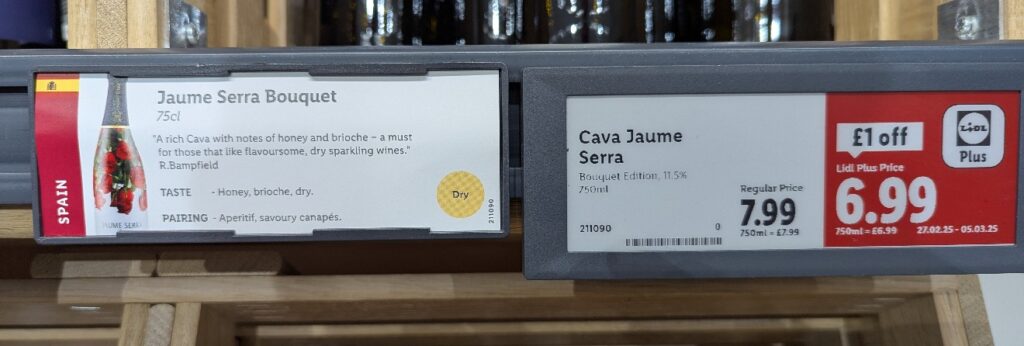
Update 7 March: A week later, but in another Lidl store (Guildford), the price is £7.99. Not sure if this is a time or store thing but I can conclude these electronic shelf labels allow prices to be easily dynamic so that Lidl can experiment with pricing.
Update 9 March: The latest issue of Decanter Magazine has an interesting promotional feature on Jaume Serra (pdf).
Orange Sunset 2023, 11.5% – £7.99
A French orange wine with a tropical aroma. It is slightly sweet with a candied orange peel taste, round in texture and unexpectedly smooth without the typical strong tannins from skin contact expected of an orange wine. One of three wines in this tasting that were atypical, different than expected, but in my opinion, better for it.
Available from 27 March 2025.
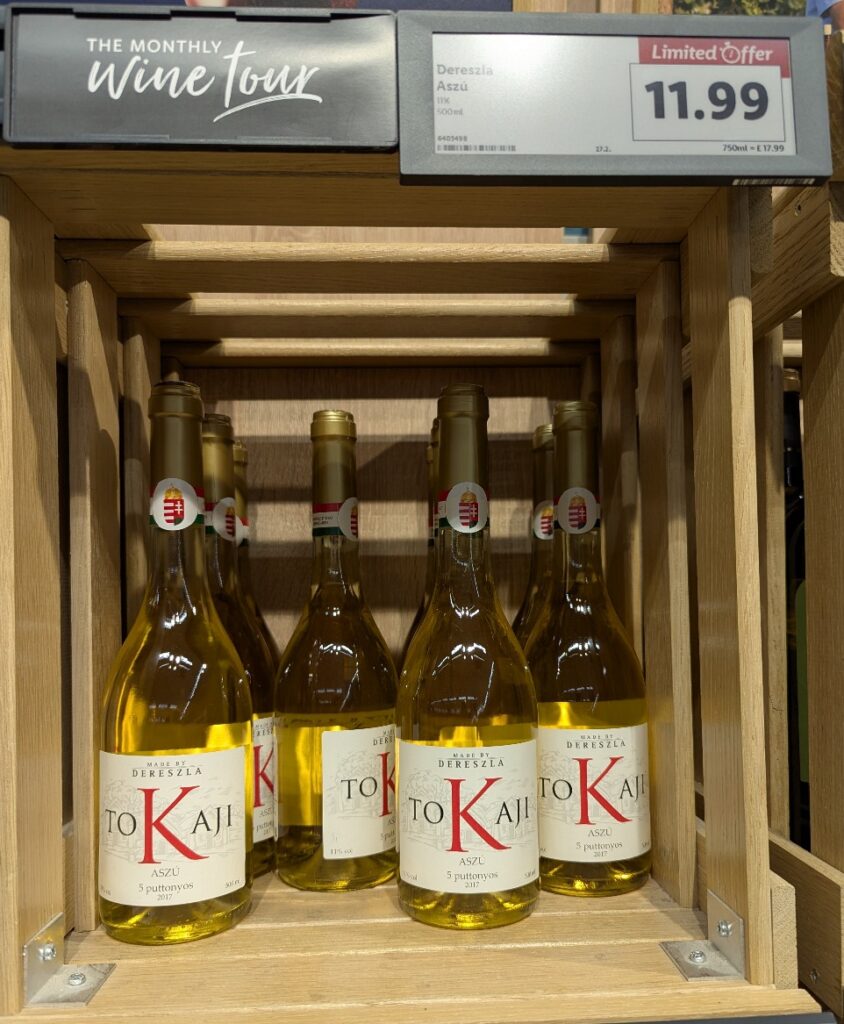
Dereszla Tokaji Aszú 5 Puttonyos 2017, 11% – £9.99
Again, unusually for Lidl, the well-known Hungarian producer Dereszla is proudly displayed on the bottle. This Furmint blend is made from botrytis-affected grapes (noble rot), with 5 Puttonyos signifying at least 120g/L of natural residual sugar. It has a lovely aroma, a sweet and concentrated apricot and peach flavour and a seamless, continuous taste. Sold in a 500ml bottle. A web search confirms this is a bargain compared to Dereszla Tokaji Aszú 5 Puttonyos from other retailers.
Available from 27 March 2025.
Update 7 March (photo on left): Good news and bad news. The good news is that this wine has been released early. The bad news is that it’s 20% more expensive than we were advised in the press tasting. However, this wine, same vintage, from the same producer is usually £34+ in independent retailers so still represents great value.
Allini Pinot Grigio Sparkling White NV, 11% – £5.29
Not the expected pear flavours typically associated with Pinot Grigio. Instead, I found it more apple-like with sweetness. Again, not what I expected, or even what I prefer, but I know it will be a crowd-pleaser, especially at this price.
Part of the core range.
Chardonnay 2023, 13% – £4.78
A dry, oaky white with a perhaps slightly unreal, fruity taste. Nice musky quality though and good length. Extremely drinkable for the price.
Part of the core range.
Viña Albali Gran Reserva 2018, 13% – £7.99
From Valdepeñas, Spain, this Tempranillo-based wine offers a lovely smoky aroma, sweet cherry flavours, medium tannins and a warming finish. A great price for a Gran Reserva, especially considering the Reserva from the same producer costs the same at Tesco.
Available from 27 March 2025.
Chiaravita Montepulciano d’Abruzzo 2023, 12.5% – £5.49
A dry red with fruity notes and an unexpected but very enjoyable smoky character, an interesting nuance at this price point. Would be great paired with smoky food.
Part of the core range.
Vino Nobile di Montepulciano 2021, 13.5% – £8.49
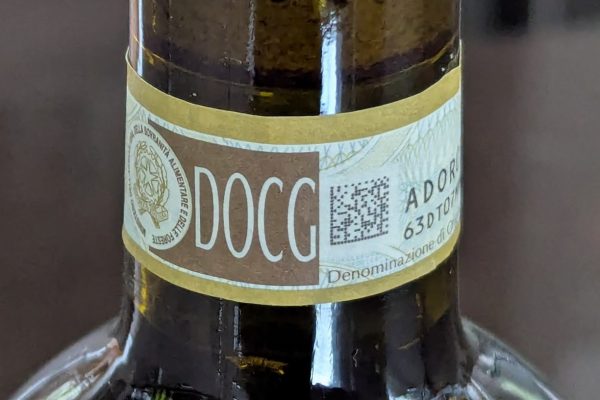
A new vintage of a wine I’ve previously enjoyed. This dry Italian red, classified under the high DOCG designation, is primarily made from Sangiovese, with up to 30% of other varietals such as Cabernet Sauvignon, Merlot and Cabernet Franc. The aroma of cherry and oak leads to a plummy taste, medium tannins and a medium finish. One of Lidl’s more complex wines and excellent value for money.
Part of the core range.
Three wines in particular were atypical, but in a good way, offering something different from my expectations. In the main, Lidl continues to offer exceptionally competitive pricing, especially in light of the recent duty increases that particularly impact wines at this price level.
Prices are estimated and subject to change.