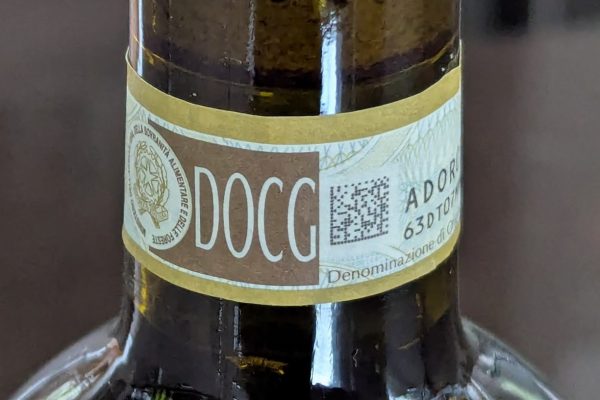
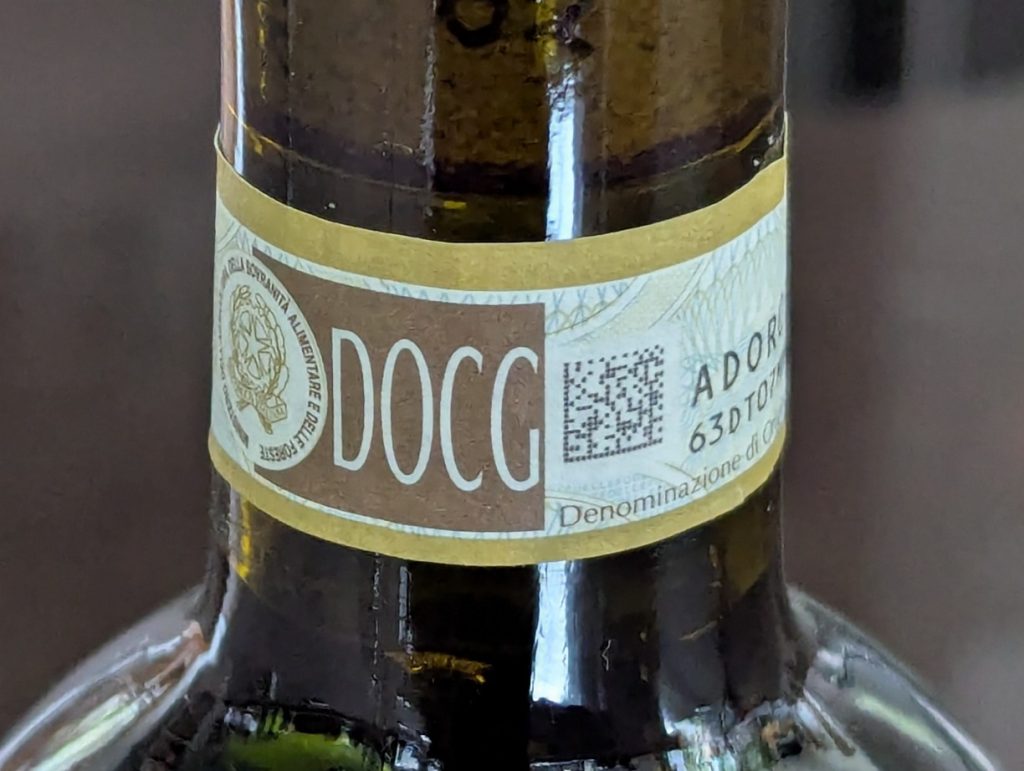
Italian wine has built one of the most serious anti-counterfeit systems in Europe, but it still has a glaring weakness: the last step, where the consumer is supposed to verify the bottle, is not good enough. The official Trust Your Wine app was launched by IPZS in 2017 as the state-backed way to check DOCG and DOC seals by scanning the datamatrix and querying the official system, and it remains available today in the Google Play and Apple app stores. It promises bottle-level authenticity, provenance and traceability.
That promise matters because the underlying problem is real. In March 2026, the UK Food Standards Agency said its National Food Crime Unit seized more than 67,000 bottles of counterfeit wine and prosecco, worth an estimated £500,000, from warehouses in North London and Essex. Consumers really do need better ways to know whether the bottle in front of them is what it claims to be.
I have tried Trust Your Wine on multiple bottles and it never works. It always gives a timeout. Even the linked information page inside the app throws an error 500. An anti-counterfeit system can be beautifully designed on paper, and it can be full of talk about digital passports, secure seals and traceability, but if the public checker fails at the exact moment a consumer tries to use it, the system stops feeling modern and starts feeling redundant.
There is also another reason to doubt that Trust Your Wine has become a meaningful public tool. The visible uptake looks tiny. For example, the public Android downloads suggest very limited use for an app that has been available since 2017 and is meant to support a national wine-authenticity system. Google Play still shows it in the broad “5,000+ downloads” band.
The case for scanning barcodes has only become stronger since the EU’s newer wine labelling rules came into force on 8 December 2023, because the market is already getting consumers used to QR-based access to ingredients and nutritional information. Wine drinkers are learning to expect digital information on demand. If the authenticity layer is clumsier than the labelling layer, that is a design failure.
As an aside, the DOCG and DOC checking should not be used as a magic guarantee that a wine is good. Even defenders of the Italian system would say these classifications are about origin, rules and certification, not a promise that every bottle will thrill you. But they are supposed to guarantee that the wine is what it says it is.
In an era of food fraud, counterfeit alcohol and international confusion over provenance, authenticity is not bureaucracy. It is part of the product. The Italian state seems to understand this. The problem is that the consumer-facing service has not kept up with the seriousness of the mission.