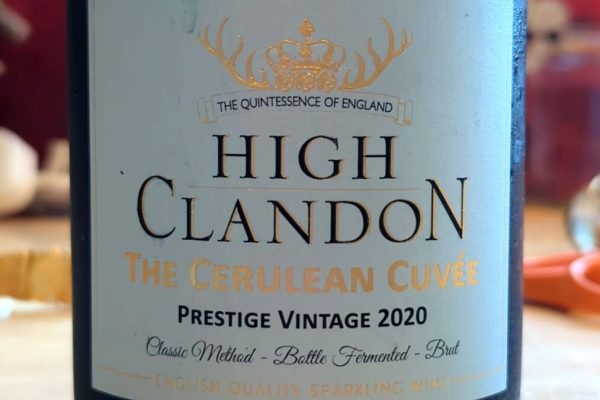
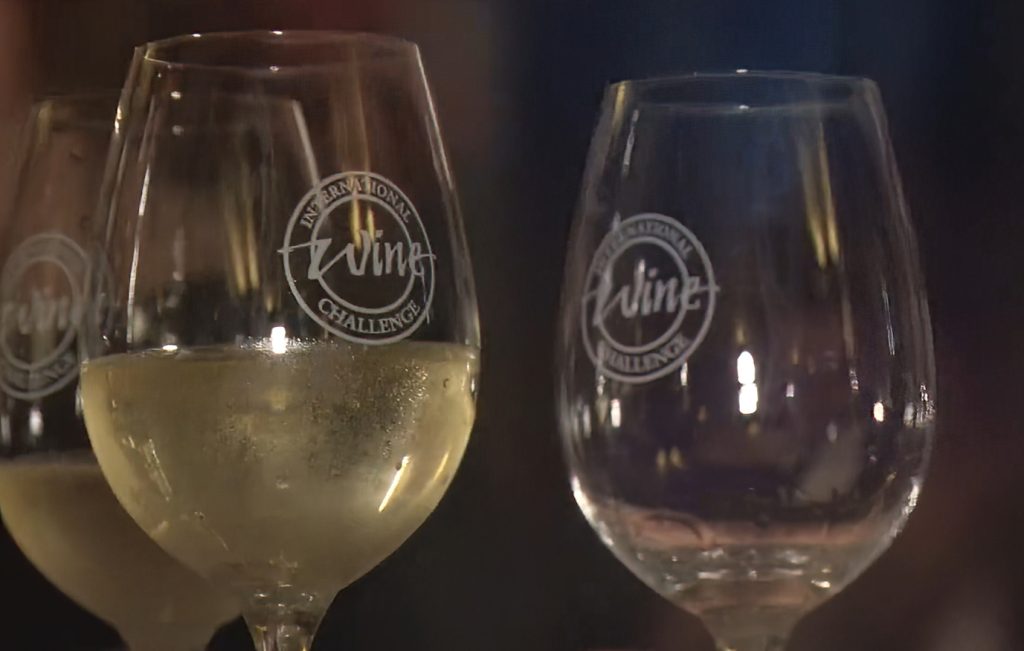
The IWC says entries rose by 7%, with the results presenting a broad picture of both established and emerging wine regions. France submitted the most wines and won the highest total number of Gold medals, while England had the strongest Gold conversion rate among major wine-producing countries, with 16.48% of its entries winning Gold.
The strongest major-country Gold conversion rates were England, Australia, Portugal, Italy, France, Spain and New Zealand. Smaller-entry countries also performed well: Canada had the highest overall Gold conversion rate with four Golds, while Greece, Austria, Georgia, Japan, Turkey, Lebanon and North Macedonia were highlighted as signs of widening global quality.
Several producers were singled out for multiple medal success, including Trivento, Penfolds, House of Arras and Emilio Lustau. More than 50 wineries in the 2026 results had won medals in multiple previous competitions, making consistency one of the year’s major themes.
A notable consumer angle is the success of supermarket wines. Award-winning examples included bottles from M&S, Aldi and Tesco, suggesting that medal-winning quality is increasingly available through mainstream retail rather than only through specialist merchants.
Main trends are that fortified wines continue to score highly, England’s rise is accelerating, classic European regions remain benchmarks, Argentina is gaining recognition beyond Malbec, repeat performance matters more than ever, and high-quality wines are becoming more accessible to everyday consumers. Top-scoring standout wines included Rare Magnum 2012 and Menin Porto Tawny 80 Anos, both on 98 points.