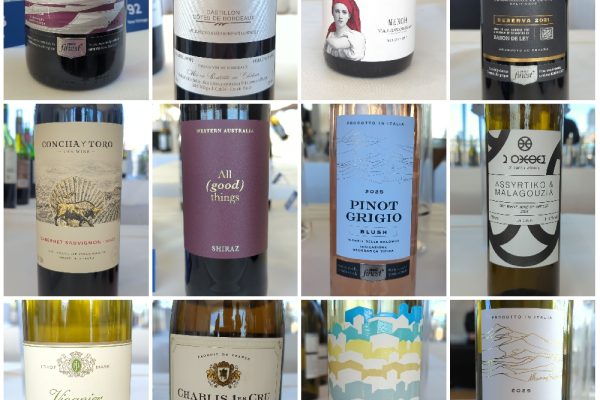

In October 2024, I went to a Wines of Greece tasting event in London where there were 127 wines from various regions of Greece. This trade and press event provided an rare opportunity to sample wines predominantly made from grape varietals unfamiliar to me, which added a layer of intrigue to the experience.
Here are the wines I liked most from the tasting:
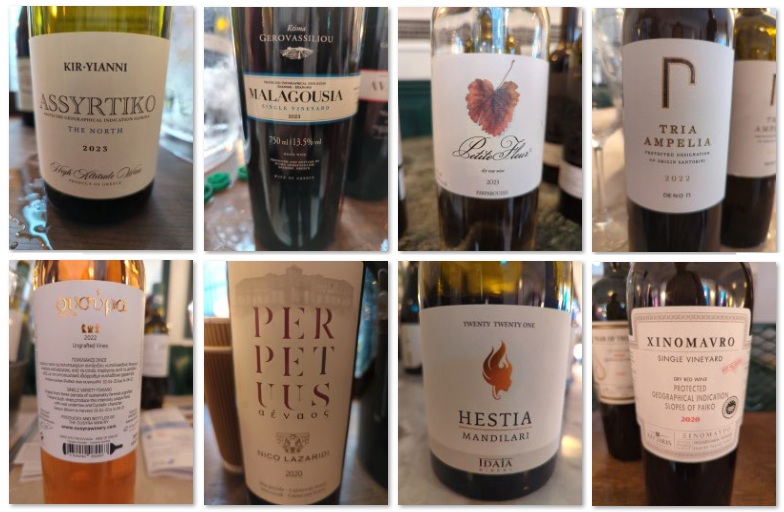
Kir Yianni Assyrtiko The North 2023 (13.5%)
Assyrtiko is traditionally the star white grape of Santorini, but this wine is produced from grapes transplanted to the northern region of Amyndeon. Aroma wise, it offers crisp aromas of apple and citrus, with a taste dominated by grapefruit and apple. The high acidity beautifully balances the alcohol and provides a rounded mouthfeel. This wine has a refreshing, vibrant character, making it an excellent example of Assyrtiko outside its traditional home. I have previously reviewed this wine in more detail. It’s available from Virgin Wines and Laithwaites for £16.99.
Ktima Gerovassiliou Malagousia 2023 (13.5%)
This wine is made from 100% Malagousia, a grape that was nearly extinct before being revived. It’s fermented in new French oak barrels, lending it complex aromas of exotic fruits, peach and herbs. The rich flavours of lemon are supported by a wonderful texture that is both smooth and refreshing. This was one of the most impressive whites at the event, with excellent balance and depth. It is available from various retailers for around £21.
Parparoussis Petite Fleur 2023 (12.5%)
A great rosé made from 100% Sideritis, this wine has a light salmon colour with aromas of citrus blossom, apricot and peach. On the palate, it delivers flavours of cranberries and sour cherries, with a touch of off-dry sweetness. This wine stood out for its elegance and was a pleasant surprise in the rosé category. It’s available from various retailers for around £21.
Oeno P Tria Ampelia 2022 (14.5%)
This premium Assyrtiko from Santorini is made from vines over 60 years old, and it matures on its lees for 18 months. The result is a wine with rich aromas of ripe citrus and a briny, sea salt-like character. On the palate, it’s full-bodied with vibrant acidity, and the finish is long and persistent, balancing acidity, fruit and mineral components harmoniously. It’s an exceptional wine, available for around £85.
Ousyra Fokiano Rosé Wine 2022 (14%)
Produced from organic vineyards on the island of Naxos, this single-variety rosé is made from Fokiano, an indigenous grape. It has a pale pink colour and an exceedingly floral nose. The palate offers notes of plum and orange, with a slight sweetness that complements the wine’s powerful structure. The length and flavour were impressive. It’s available from various retailers for around £22.
Perpetuus Red 2020 (14.5%)
This blend of 60% Mavroudi and 40% Cabernet Franc was my favourite red of the tasting. Aged in new oak barrels for 24 months, it’s highly aromatic, with notes of black fruits, tobacco, and spices. Medium to full-bodied, it has a long, lingering aftertaste. This is a premium wine, available for around £50 and a great example of how Greek reds can excel.
Hestia Mandilari 2021 (13%)
Made from 100% Mandilaria, this wine offers aromas of ripe red fruits and vanilla. On the palate, it is medium-bodied with flavours of raspberry and blackberry, complemented by a long, vanilla-infused finish. Unfortunately, I couldn’t find this wine available in the UK, but it’s one to watch for if it becomes available.
Kechris Xinomavro 2020 (13.5%)
This 100% Xinomavro is aged in oak barrels for 12-18 months, producing notes of cherry, blackcurrant, and figs on the nose, with underlying hints of coffee and cigar box on the palate. It’s a complex and intriguing wine, although, again, I was unable to find it available in the UK.
This event highlighted the diversity and quality of Greek wines, especially those made from lesser-known varietals. I was particularly impressed by the rosés, which offered a surprising level of complexity and freshness. Additionally, while I hadn’t previously considered Greek reds as a significant category, several of the wines I tasted changed my perspective. It was a fascinating exploration of a wine region that deserves more recognition in the UK market.