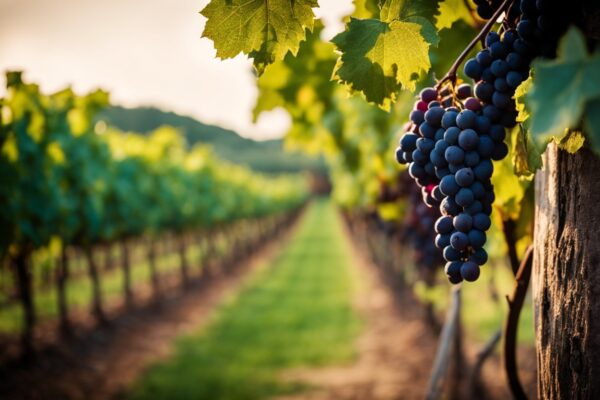

Old vines have long captivated the imagination of wine enthusiasts and producers alike, often associated with wines of exceptional quality and character. But what exactly constitutes an ‘old vine’ and do these venerable plants truly produce superior wines? This aspect of viticulture is both intriguing and complex, requiring an understanding of the term itself and the impact of vine age on wine quality.
What is an Old Vine?
The term ‘old vine’, or ‘vieilles vignes’ in French, is commonly used on wine labels to indicate that the wine is produced from grapes grown on notably old vines. However, there is no universally agreed-upon definition of what qualifies as ‘old’. The classification can vary significantly depending on the region and the winemaker. In some areas, vines as young as 20-30 years might be considered old, whereas in more established wine regions, old vines might be 30-40 years or older. Some classifications, such as Australia’s Barossa Old Vine Charter, provide more specific categories: Old Vine (35+ years), Survivor Vine (70+ years), Centenarian Vine (100+ years) and Ancestor Vine (125+ years).
The Impact on Wine
Many winemakers and critics believe that old vines can produce wines with exceptional qualities. One of the key advantages is the concentration of flavours. As vines age, they typically produce smaller yields with more concentrated fruit, resulting in wines with intense, complex flavours and aromas. Additionally, older vines often develop extensive root systems that access nutrients and water from deep within the soil. This enhances their resilience to drought and extreme weather conditions, ensures more consistent quality across vintages, and allows for a more pronounced expression of terroir. Over time, old vines tend to ‘learn’ to self-regulate, producing smaller berries with a higher skin-to-juice ratio, which contributes to wines with better structure and tannin profiles. Many wine professionals also agree that old-vine wines often exhibit greater complexity, better colour and higher acidity.
Despite these potential benefits, the notion that old vines always produce superior wines is not a given. The skill of the winemaker plays a crucial role in wine quality, regardless of vine age. Terroir is another essential factor. Young vines planted in ideal locations can produce excellent wines, whereas old vines in poor sites may not. Additionally, well-maintained young vines can sometimes outperform neglected old vines. The grape variety itself also matters, as some varieties may not have economically viable yields when they become very old.
To put it simply, yes they can [make better wines] – but not always. I think they can make the most interesting wines
Troy Kalleske, an award-winning winemaker
The true value of old vines lies in their ability to express terroir, produce consistent quality across vintages, and create wines with nuanced complexity. However, factors such as vineyard management, winemaking techniques and overall grape quality remain crucial in determining the final product’s excellence.
Old Vine Grape Varieties
Some grape varieties are particularly suitable for producing exceptional wines when sourced from older vines. Among red grape varieties, Grenache is known to produce some of its best wines from old vines, as they yield more concentrated flavours, better structure and smoother tannins. Old vine Grenache is often celebrated for its ability to produce outstanding single-varietal wines, whereas younger vines may be more commonly used in blends. Similarly, Carignan from old vines can yield wines with significantly greater complexity and concentration, allowing it to stand as a single-varietal wine rather than merely a blending component. Old vine Zinfandel is highly prized, particularly in California, as these vines produce wines with intense flavours, better balance, and more nuanced characteristics. In certain regions, old vine Cabernet Sauvignon can produce distinctive and rare wines, such as in Chile’s Itata Province, where 125+ year-old dry-farmed Cabernet Sauvignon vines contribute to wines with refined structure, concentrated flavours and nuanced aromas.
Among white grape varieties, old vine Chenin Blanc, particularly from regions like South Africa, can produce wines with exceptional complexity and depth. Sémillon also benefits from vine age, yielding more concentrated and complex wines, especially in Australia’s Hunter Valley. While Chardonnay can produce excellent wines from younger vines, old vine Chardonnay is prized for its intensity and complexity, as seen in vineyards like the Ritchie Vineyard in Russian River Valley, which was planted in 1972 and remains one of the most esteemed Chardonnay vineyards in California.
Other varieties, such as Cinsault and Mourvèdre, also demonstrate the benefits of old vine plantings. Old vine Cinsault, found in South Africa’s Swartland region, can produce wines with remarkable depth and character. Mourvèdre, similarly, benefits from vine age, producing more concentrated and complex wines. These examples highlight that while old vines do not automatically guarantee superior wine, they often provide a foundation for wines of unique character, structure and depth when cultivated under optimal conditions.