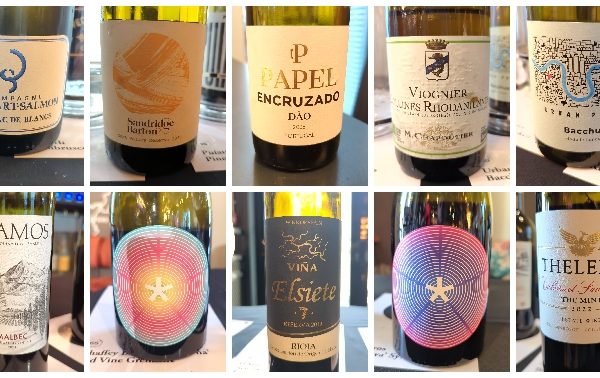

Hatch Mansfield are an agency specialising in wines made by independent, family owned winemakers. The Autumn tasting on 26th September 2023 included wines from Champagne Taittinger, Louis Jadot, Terroirs et Talents, Joseph Mellot, M.CHAPOUTIER, C.V.N.E., Gaja, Esporão, Errazuriz, Arboleda, Seña & Viñedo, Caliterra, Zuccardi, Robert Oatley, Cherubino, Villa Maria, Esk Valley, Kleine Zalze & Visio Vintners, Domaine Carneros & Résonance and Wild Steps & The Wine on Tap Co.
There was a very large number of wines so I went with a shortlist of mainly those that were accessible, financially and physically, because many are only available in one or two specialist retailers or in specific hospitality venues. With this is mind, here are the wines that particularly caught my attention:


Here are my notes with recommended retail prices (RRP) and suppliers:
Villa Maria, New Zealand
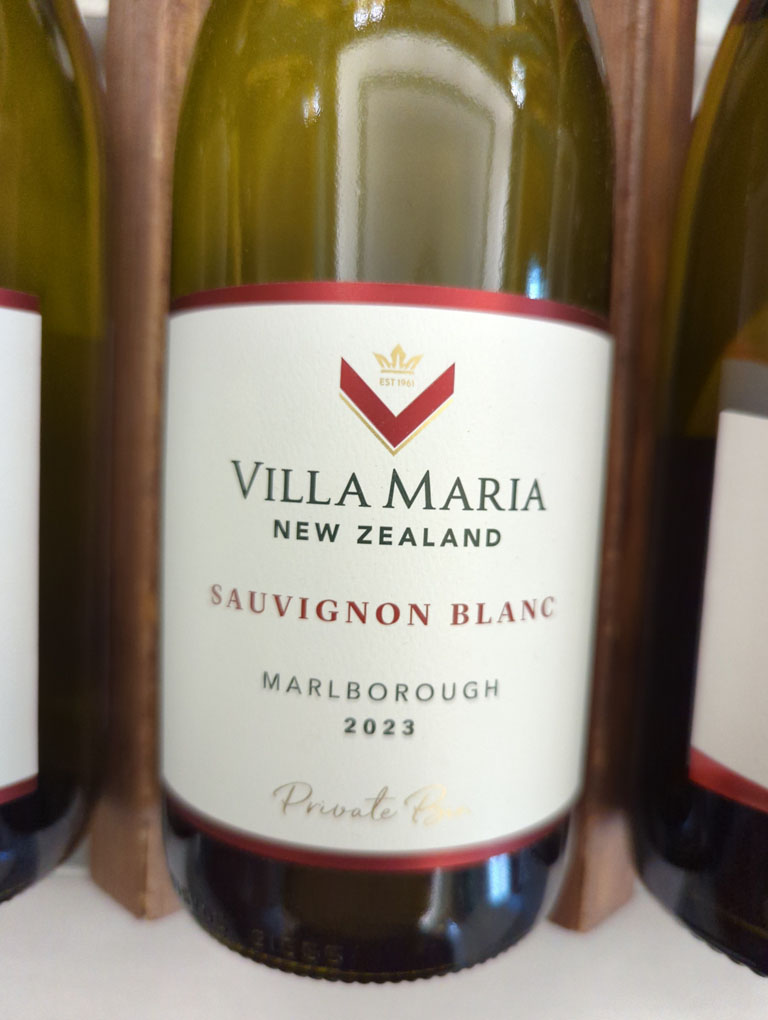
- Private Bin Sauvignon Blanc 2023 – Dependable passionfruit flavours, RRP £13.90, widely available.
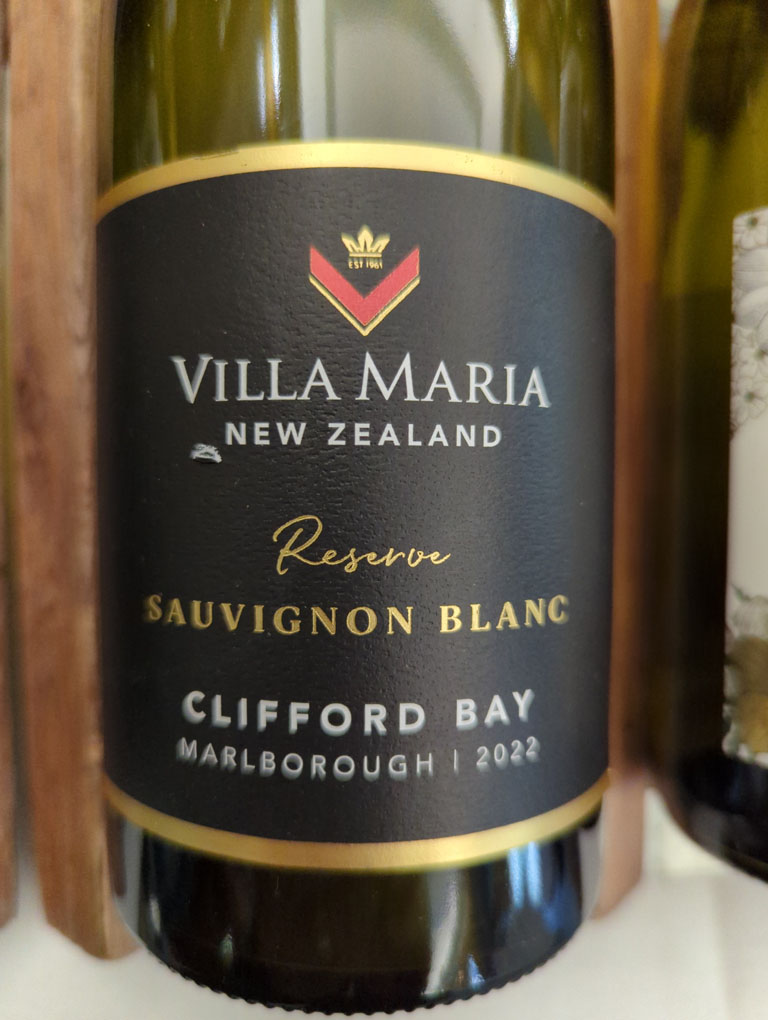
- Reserve Clifford Bay Sauvignon Blanc 2022 – Richer than Private Bin, RRP £18.10, independent retailers.
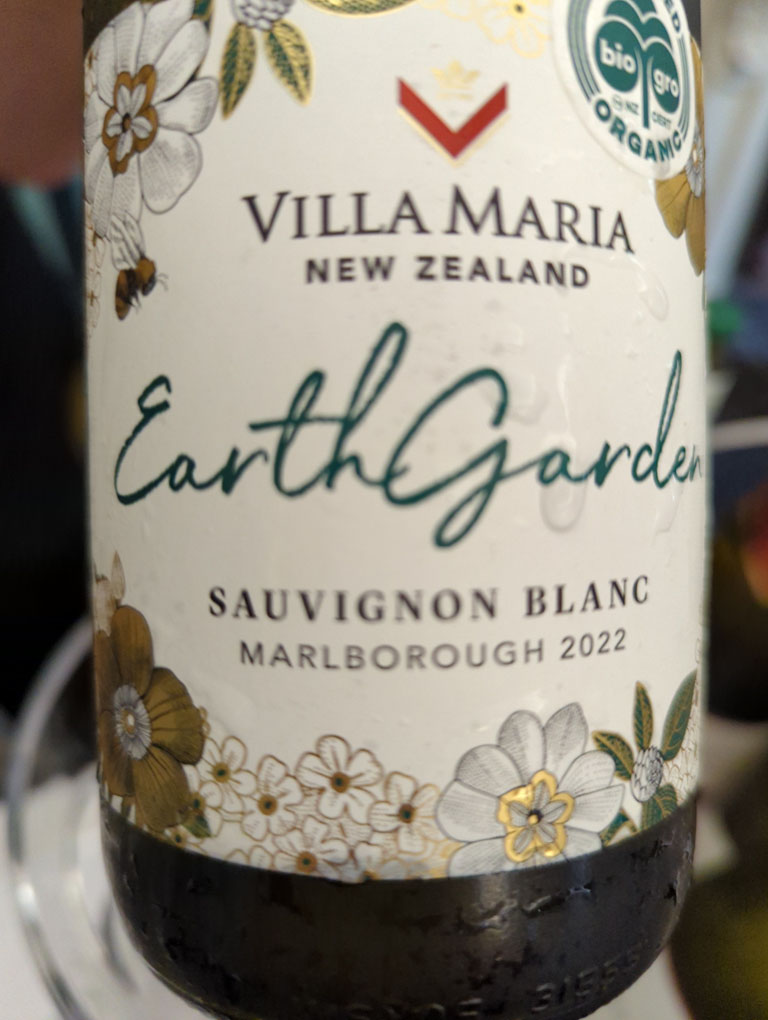
- EarthGarden Sauvignon Blanc 2022 – Organic, similar to private bin but more lime taste, RRP £15.75, Tesco £10.
- Taylors Pass Sauvignon Blanc 2022 – The best of them all. Excellent. Good acidity and balance, RRP £19.30, Majestic £15.99.
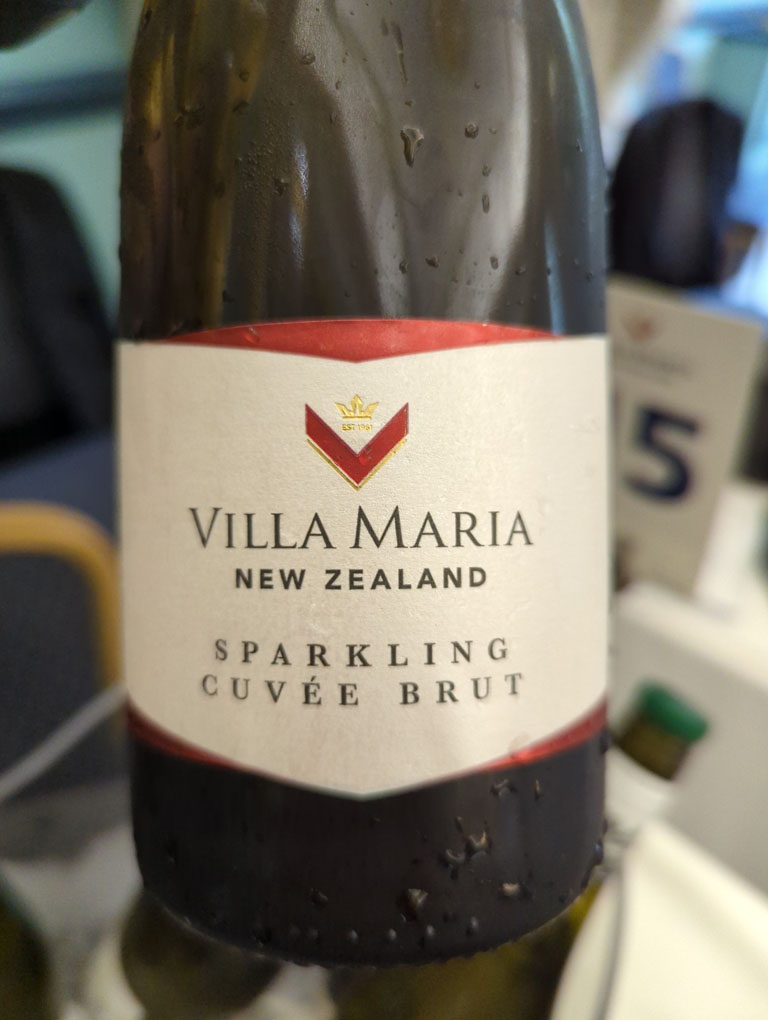
- Sparkling Cuvee Brut NV – Chardonnay and Pinot Noir. A little sour maybe? RRP £16.15, Sainsbury’s £14.
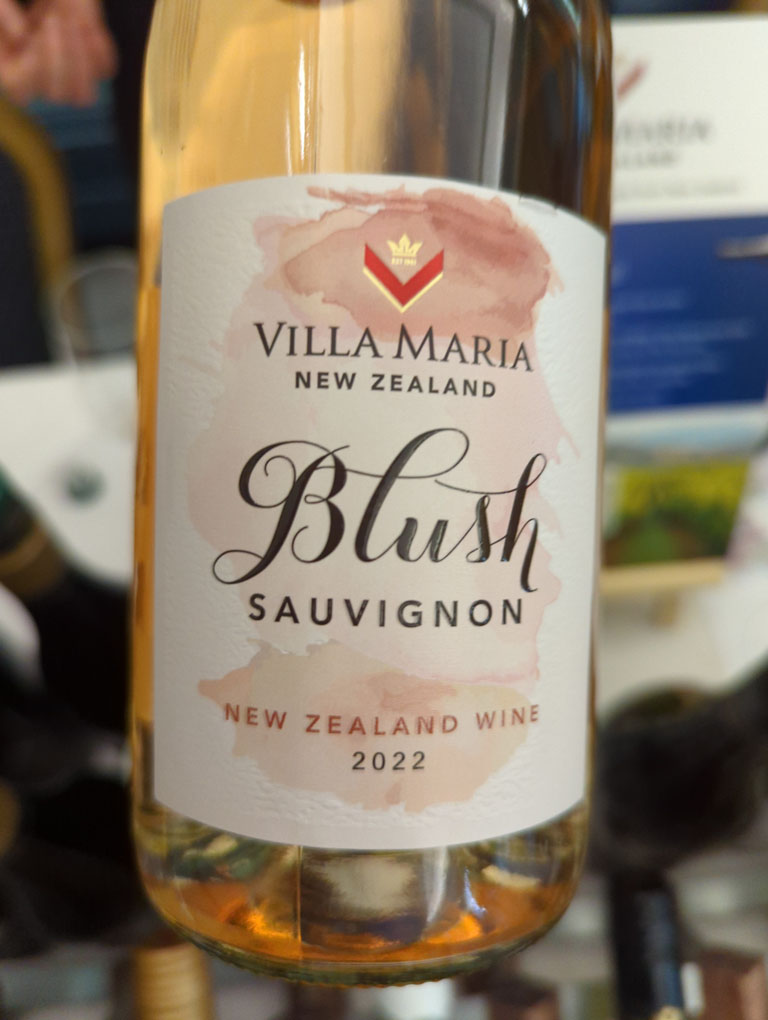
- Blush Sauvignon Blanc 2022 – With a little Merlot, slightly sweet, refreshing, widely available. RRP £14.05.
Esk Valley, New Zealand
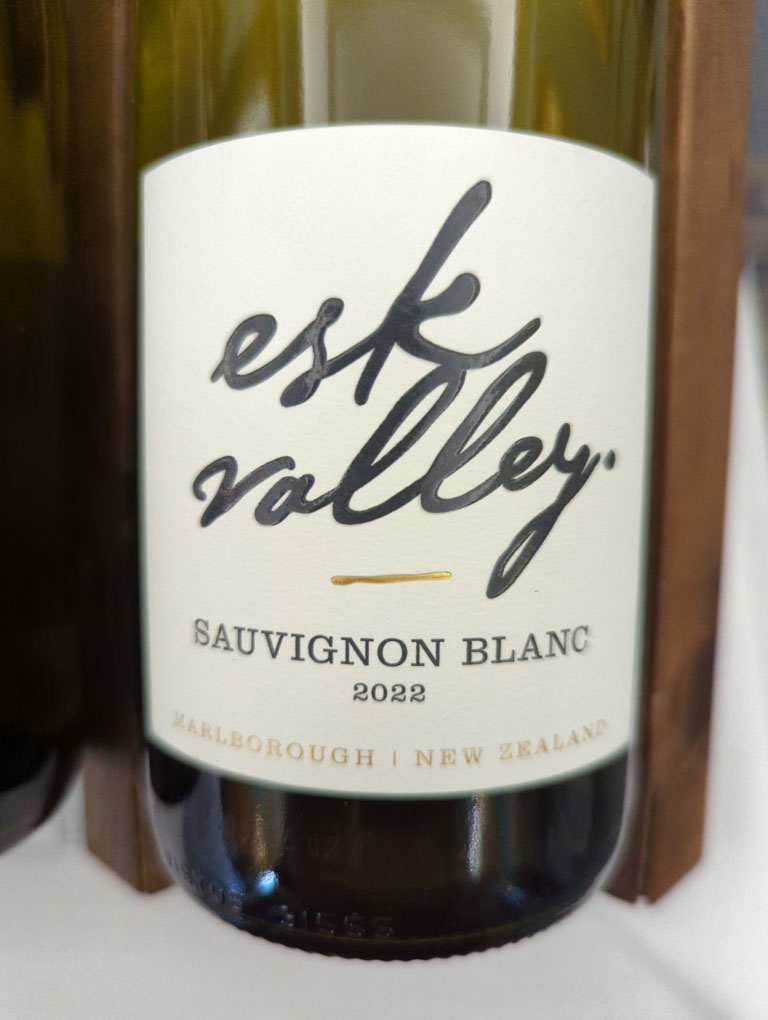
- Sauvignon Blanc 2022 – Very nice, clean, classic flavours with no over-complexity, RRP £15.50, independent retailers.
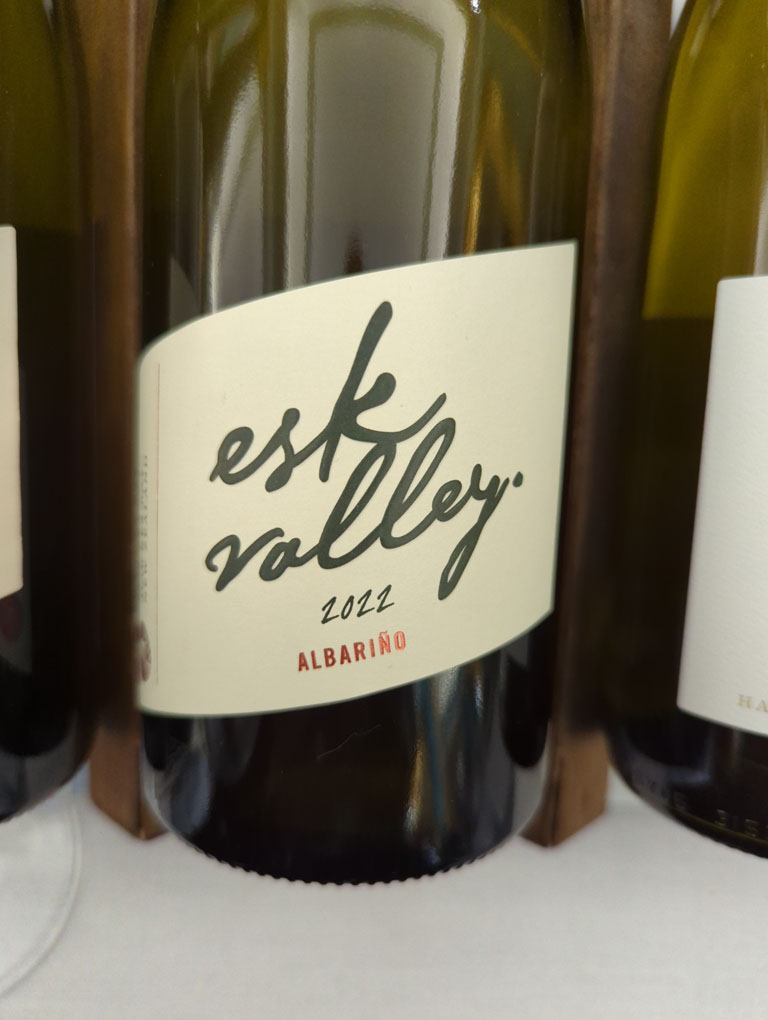
- Albarino 2022 – Lime, peach, oily, a bit like some soave. Would be good with fish, RRP £17.35, independent retailers.
Joseph Mellot, France
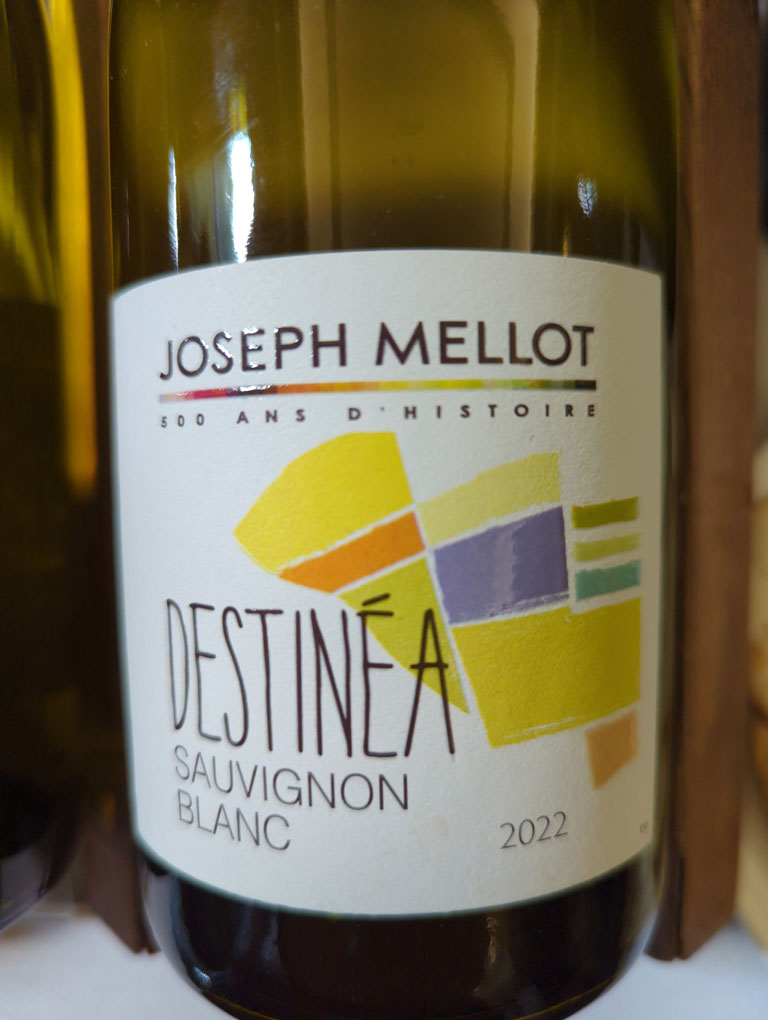
- Destinéa Sauvignon Blanc 2022 – Dryer than I expected but pleasant. Getting closer to NZ taste, RRP £13.70, independent retailers.
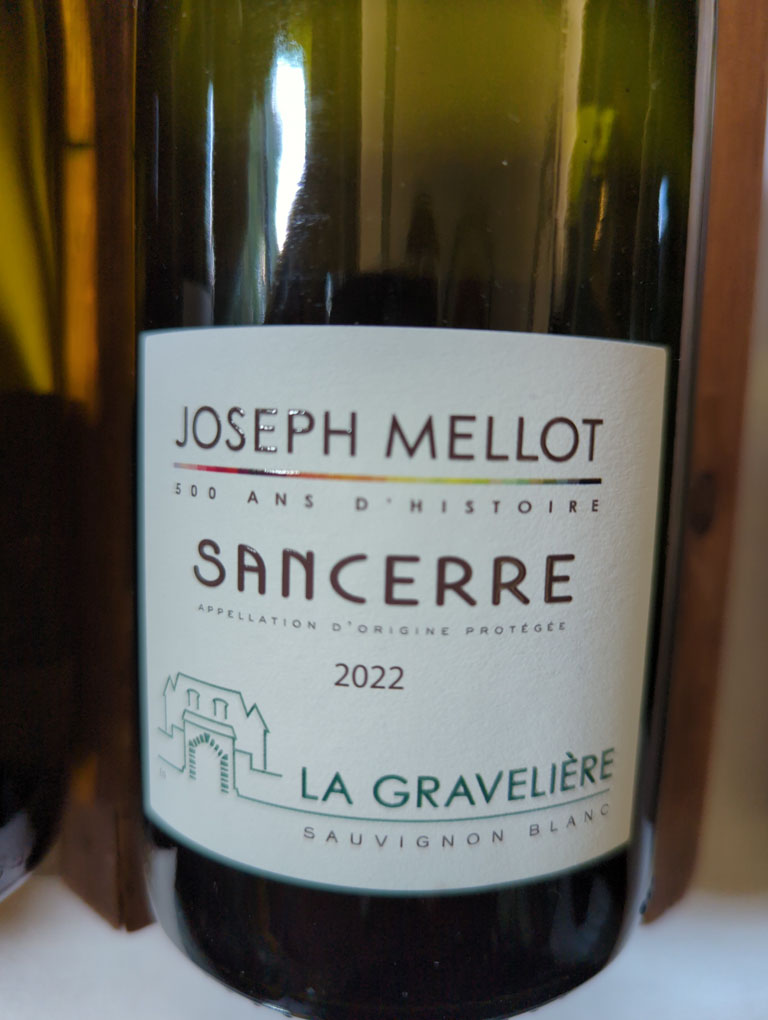
- Sancerre La Gravelière 2022 – Peach, floral, aromatic, RRP £25.10, independent retailers.
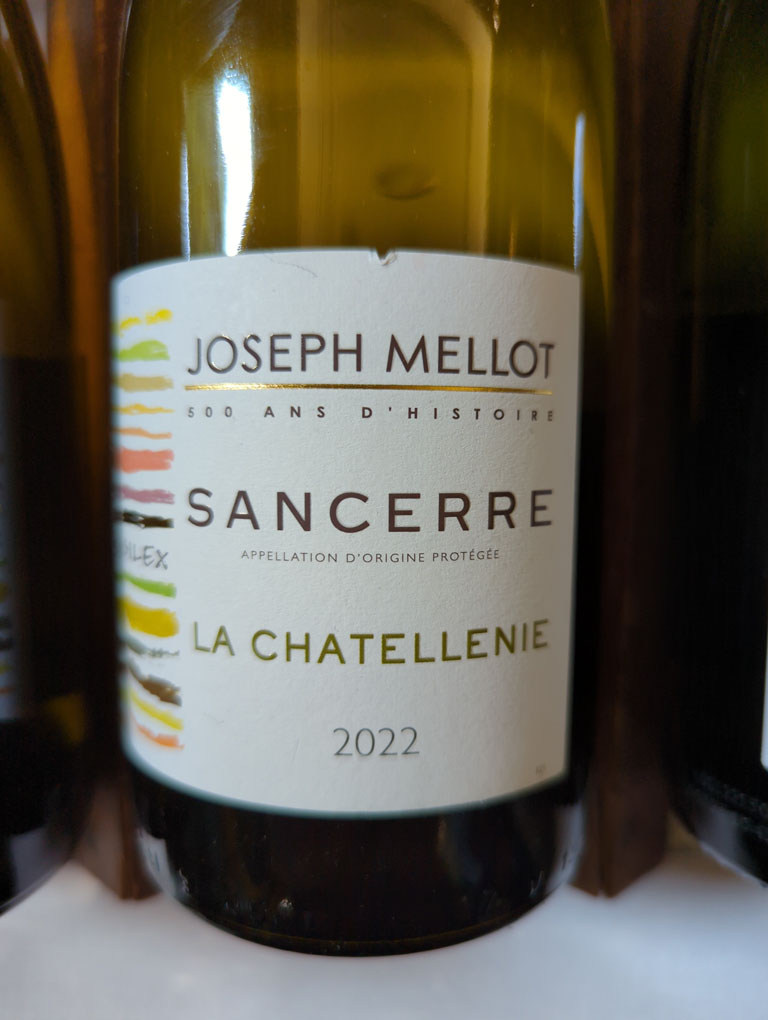
- Sancerre La Chatellenie 2022 – Not on my list but tasted for comparison. A fuller version of the La Gravelière, RRP £36.05, independent retailers.
Errazuriz, Chile
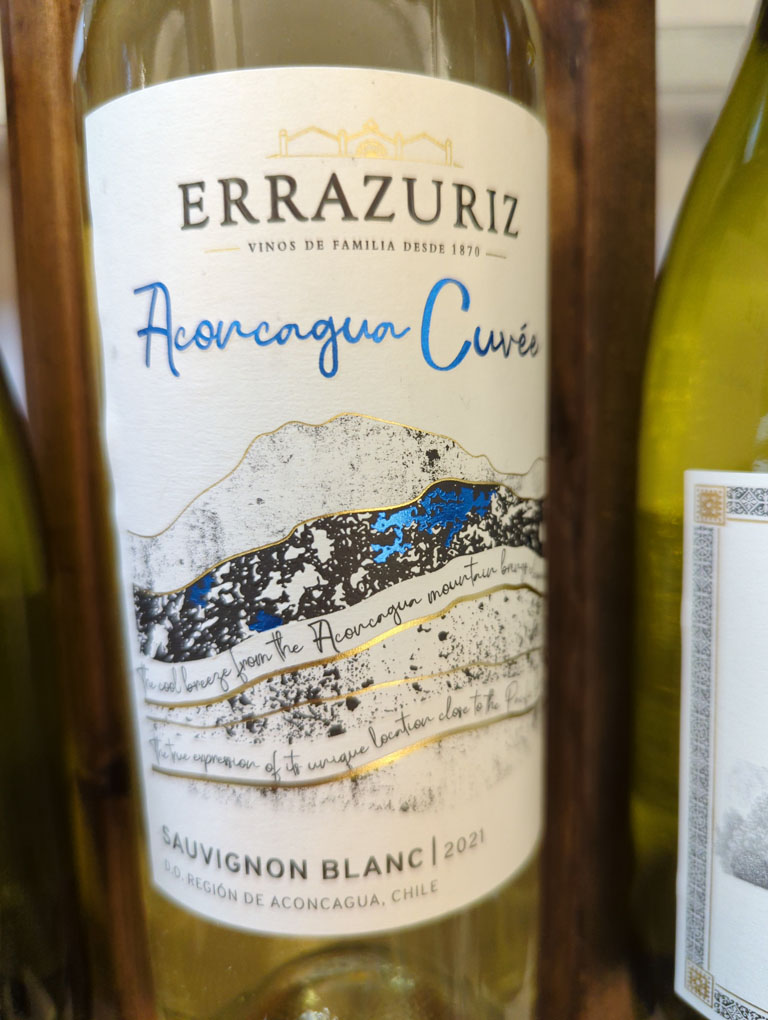
- Aconcagua Cuvée Sauvignon Blanc – Sulphur that dissipated. Not sure about this one, RRP £13.75, Waitrose £12.99 and independent retailers.
Taittinger, France
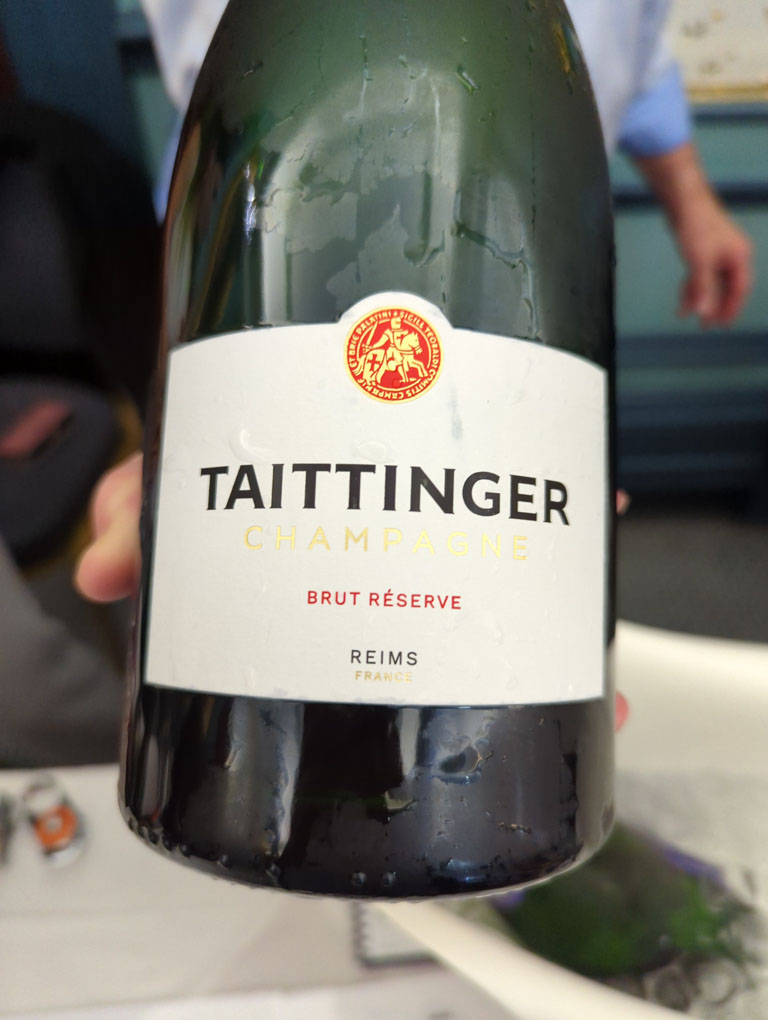
- Taittinger Brut Réserve NV, IWC Winner, dependable classic. Has new cleaner, modern label, RRP £52.95, Widely available for about £43.
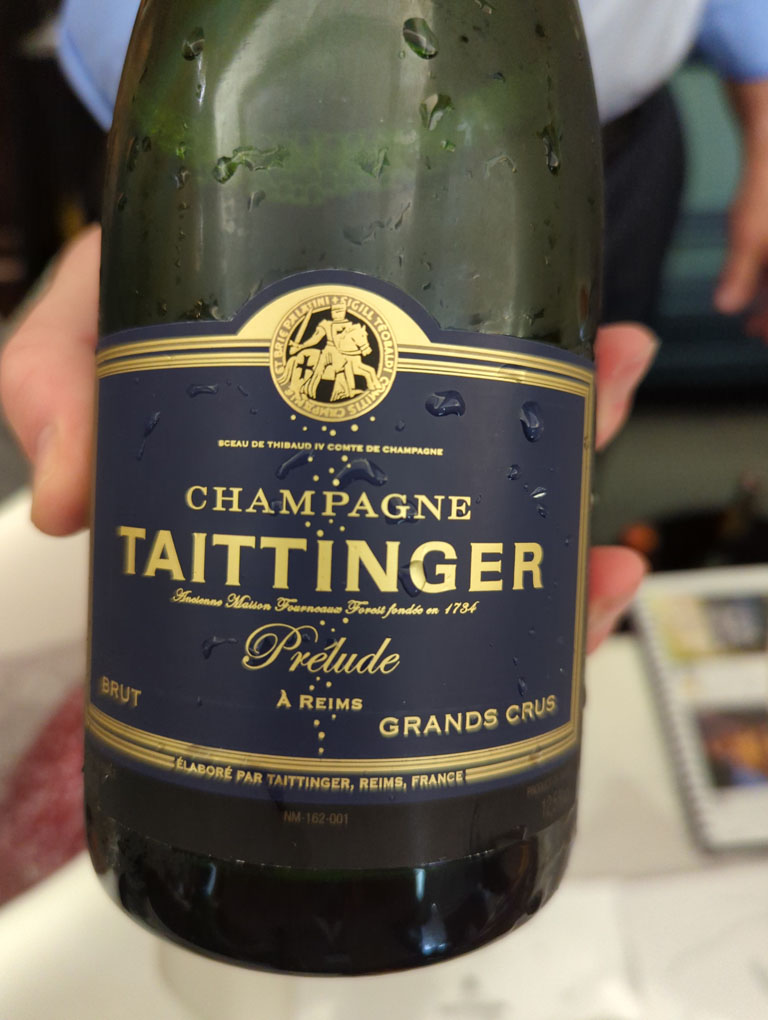
- Taittinger Prélude Grands Crus NV Decanter – Tasted for comparison. More toasty/yeasty than Brut Réserve, RRP £76.50, independent retailers.
C.V.N.E., Spain
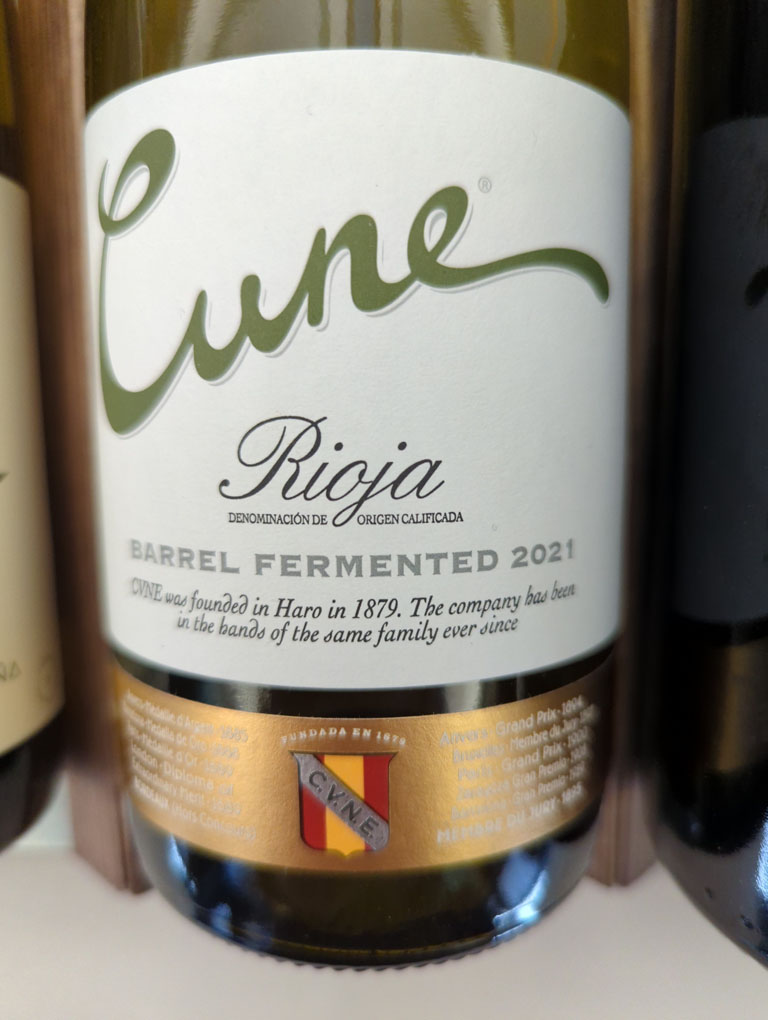
- Cune Barrel Fermented Blanco 2021 – Creamy, rich, left on lees 4 months so heading towards Muscadet taste, RRP £11.50, Waitrose, Majestic £12.99.
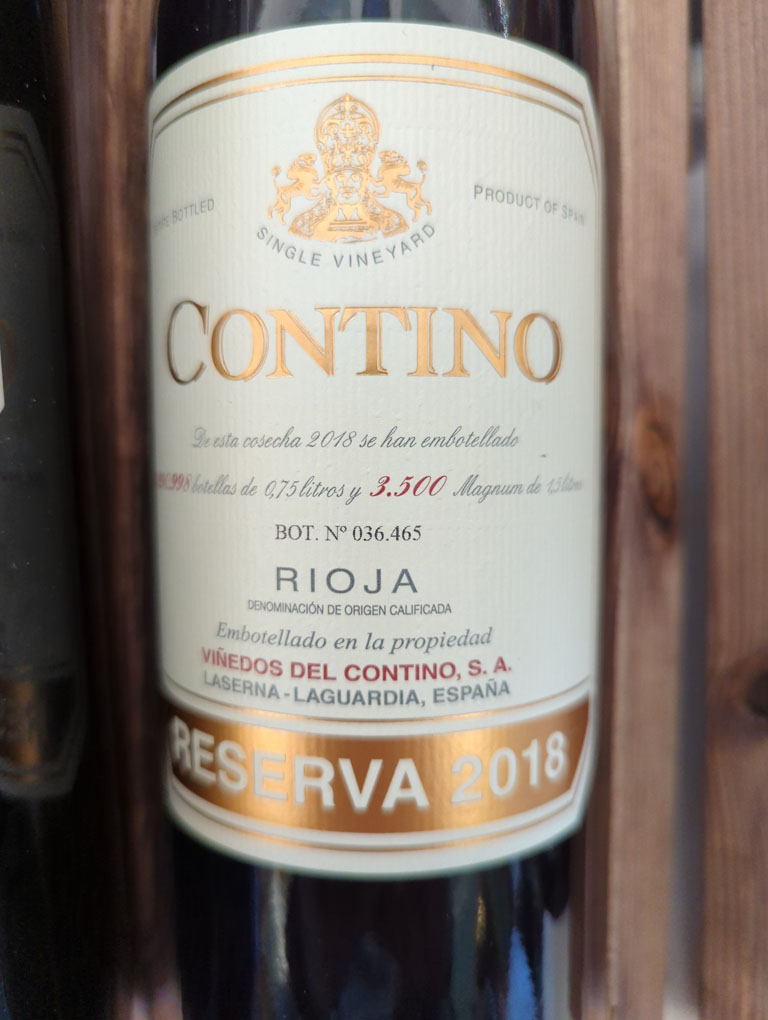
- Contino Reserva 2018 – More oaky than Barrel Fermented Blanco, RRP £26.65, widely available.
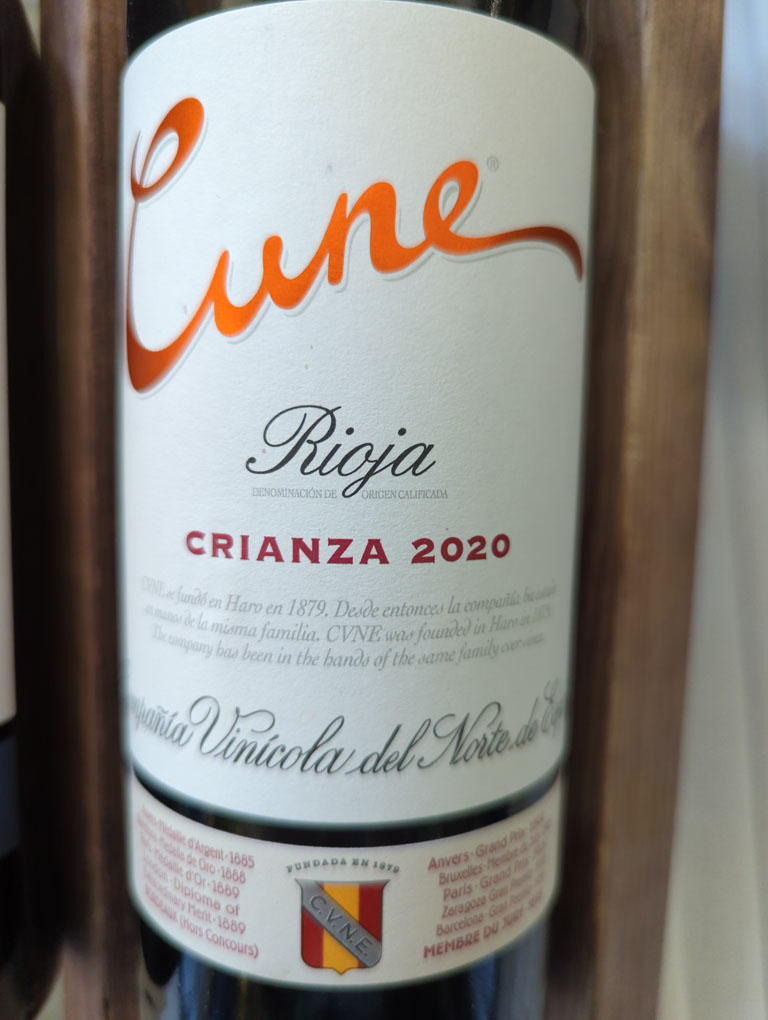
- Cune Crianza 2020 – Oak, vanilla, tobacco, RRP £11.90, Widely available. Sainsbury’s £10.
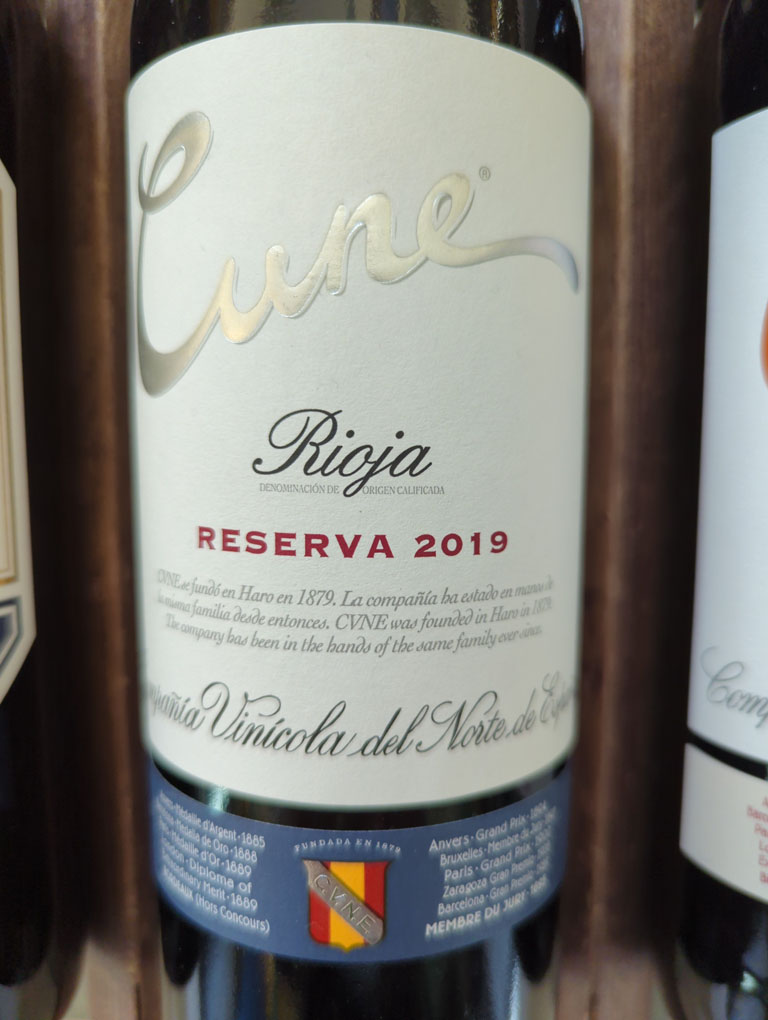
- Cune Reserva 2019 – Oak, vanilla, tobacco, more tannins, RRP £17.20, widely available.
Esporão, Portugal
- Monte Velho Red 2022 – Light to medium, red berries, fresh. Wine Society £11.35.
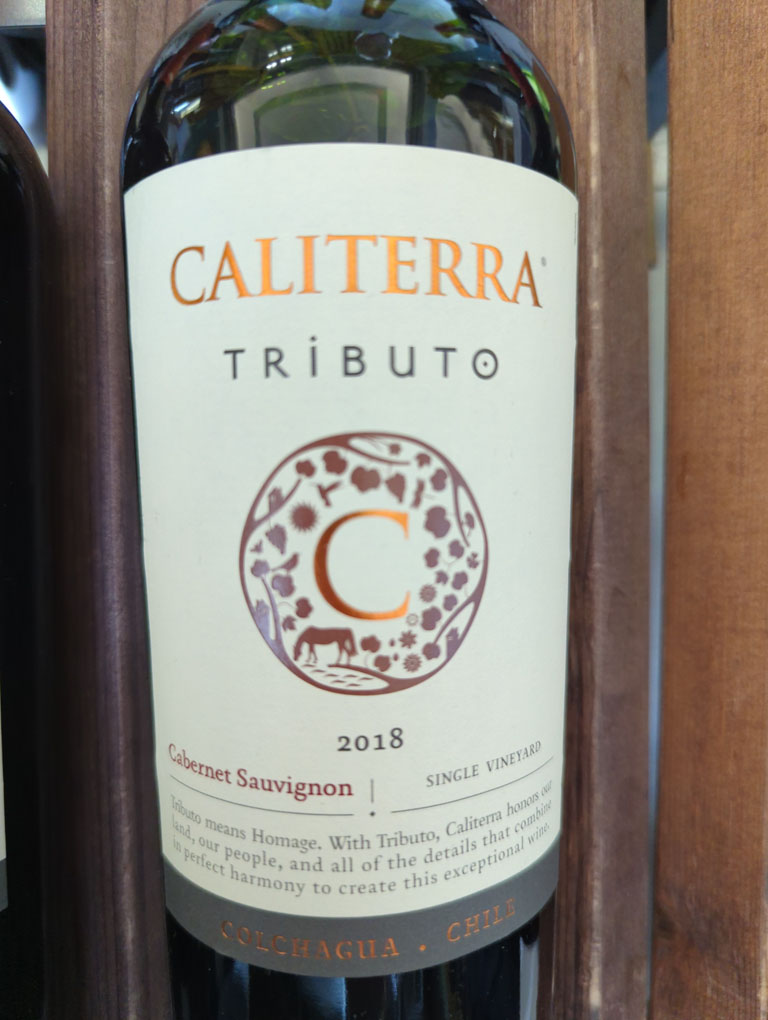
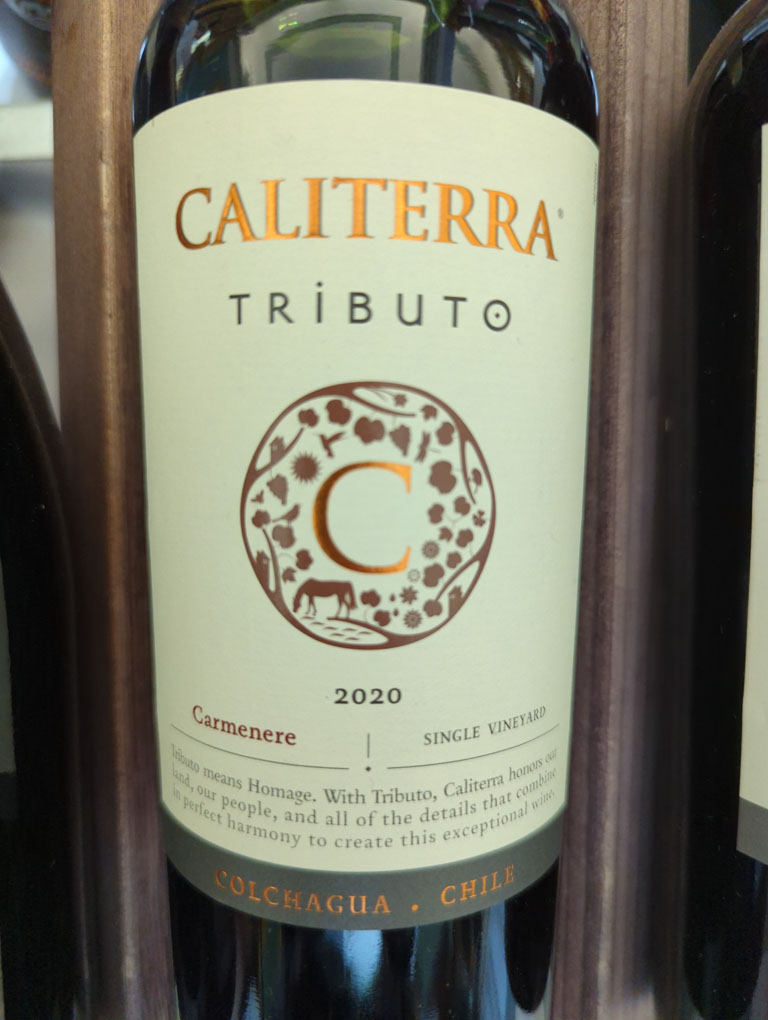
Caliterra, Chile
- Tributo ‘Single Vineyard’ Cabernet Sauvignon 2018 – Spicy, savoury, £15.40, independent retailers.
- Tributo ‘Single Vineyard’ Carmenère 2020 – Excellent. More smokey than oakey, £15.40, independent retailers.
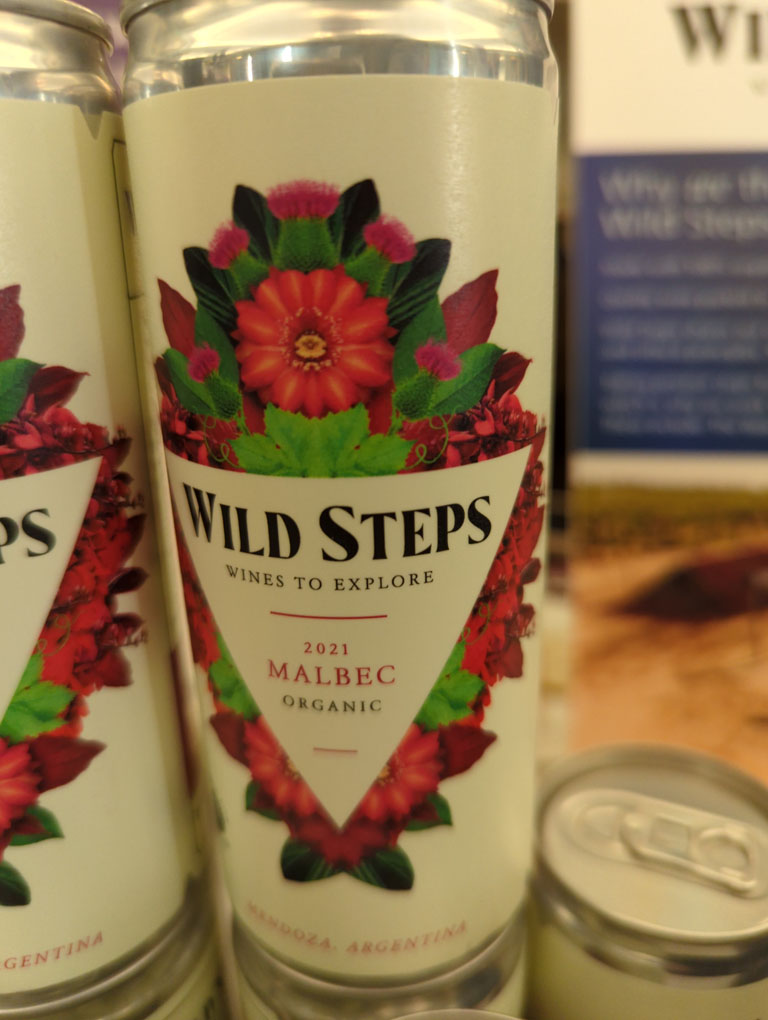
Wild Steps had a canned Malbec from Argentina. Nice enough wine, convenient packaging for picnics etc. Also a small 250ml volume for when you don’t want to open a whole bottle. RRP £3.99. Currently available from independents.
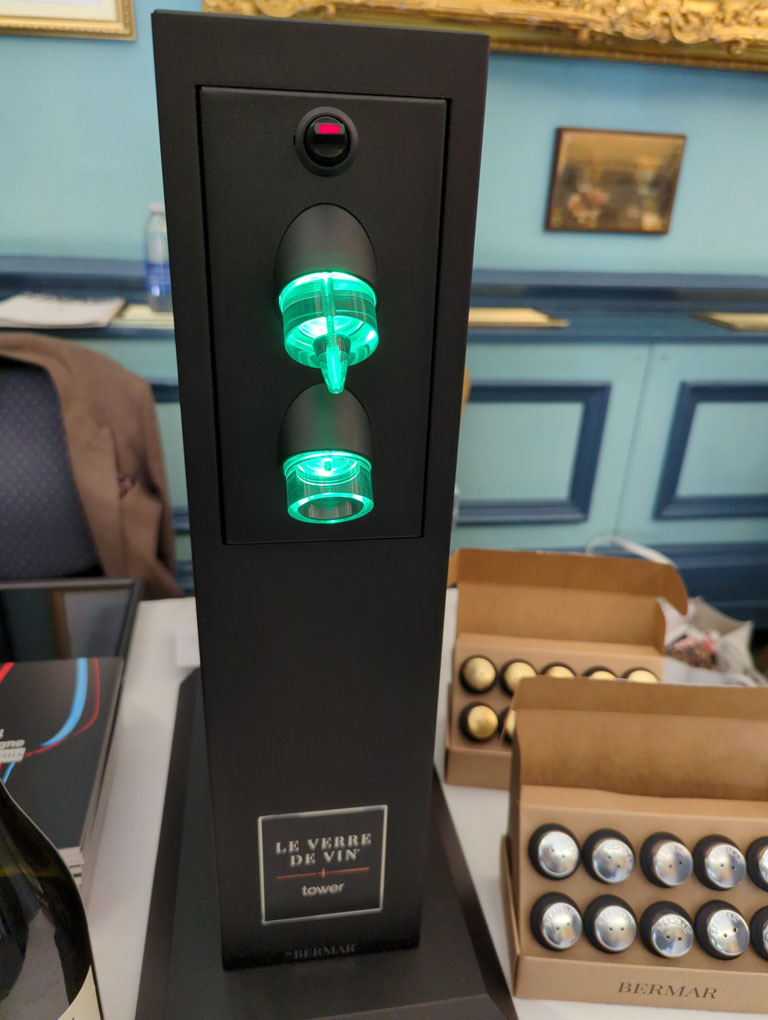
The Bermar preservation system was being shown. It’s not for consumers but instead for the hospitality sector. What was interesting was it’s dual use for still and sparkling. For still, it vacuums out the air while for sparkling it injects carbon dioxide.
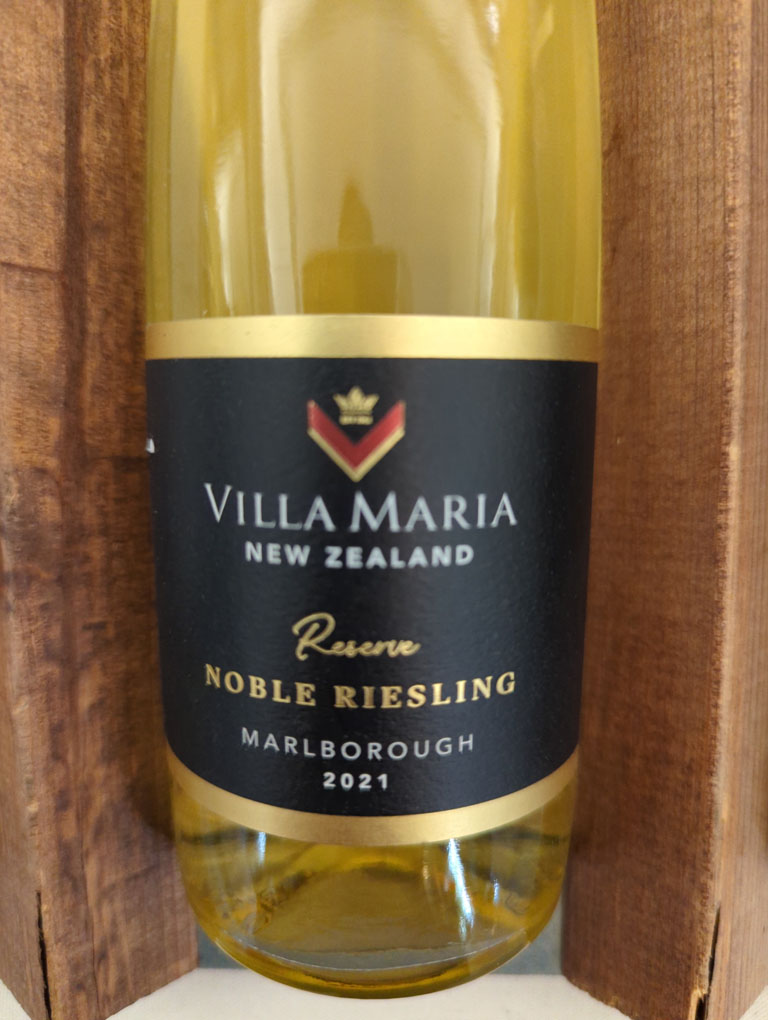
Finally, there was a table showing dessert and digestive wines that I hadn’t planned to visit as they are not usually my thing. Turns out the Villa Maria Reserve Noble Riesling, RRP £26.30, was excellent and ended up being my favourite wine ‘find’ of the tasting, followed by the Tributo ‘Single Vineyard’ Carmenère 2020 (above).
In conversation with representatives from Villa Maria, I asked how the UK/New Zealand free trade agreement has influenced wine pricing in the UK. While the agreement has led to a 10% reduction in import duty, this benefit has been largely nullified by recent increases in duty rates. Interestingly, a representative from another wine producer, who will remain anonymous, revealed that the recent duty hikes have prompted them to focus on higher-priced wines. The rationale is simple: the duty remains constant regardless of the wine’s price, making it a negligible cost for premium bottles.
Another significant development is the impending introduction of new EU labelling standards in the UK. Multiple sources believe that this will benefit the ‘quality’ end of the market. The new labels will disclose the ingredients used in wine production, potentially exposing the shortcuts taken by high-volume, low-quality producers. However, I remain sceptical about the effectiveness of this measure. The real question is who will enforce these regulations, and will rogue producers actually face repercussions for misdeclaring ingredients.
On the retail front, I spoke to several specialist retailers who expressed concern about the ongoing dominance of supermarkets over independent stores. The battle has now shifted to delivery services, with Coop’s recent introduction of same-day delivery for just 99p (with a £15 minimum spend) being perceived as a significant threat to smaller wine retailers.
Thanks to Hatch Mansfield for the very professionally run tasting that had a relaxed rather than usually rushed feel.