
Cabernet Sauvignon
-

Journey’s End Sir Lowry Cabernet Sauvignon
This wine is a thoughtful gift that arrived courtesy of a generous house guest, so thank you Hugh! It comes from South Africa, more precisely from the foothills of the Hottentot Mountains. Its name pays tribute to Sir Lowry’s Pass, a well-known landmark close to the winery in the Western Cape, itself named after Sir…
-

Co-op Irresistible Cabernet Sauvignon
I’m reviewing the 2023 vintage of Co-op Irresistible Cabernet Sauvignon as part of my awards25 series. This particular vintage won a silver medal at the 2024 International Wine Challenge (IWC), so I was naturally keen to try it. It’s produced by Viña Indómita in Chile’s Maipo Valley, with winemaking led by Diego Covarrubias. This is…
-

Margaret River Cabernet Sauvignon
I first came across and liked this wine at the Asda Spring Summer Wine Showcase and just to be sure, I tried it again more recently. It’s an Australian red made by Complexity, a producer sourcing grapes from family-owned vineyards spread across South Australia’s premium wine regions. While Australia is far better known for Shiraz,…
-

Borrowdale Shiraz Cabernet
The Borrowdale Shiraz Cabernet 2021, from Australia and crafted by winemaker David King, presents a interesting blend that marries the distinct characteristics of Cabernet Sauvignon and Shiraz. This wine, a part of the 2023 Virgin Wines advent calendar and also featured in the mini bottle red case, offers a unique experience that sits comfortably between…
-
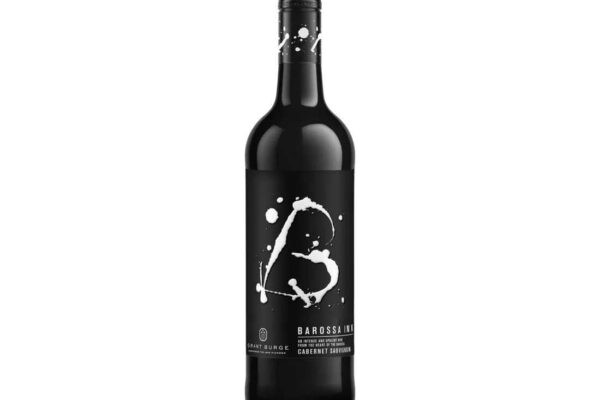
Grant Burge Barossa Ink Cabernet Sauvignon
The Barossa Ink Cabernet Sauvignon 2021 is made by Grant Burge in Australia. This 2021 vintage, with a blend of Cinsault and Petit Verdot, offers a unique twist to the traditional Cabernet Sauvignon. It has been rated 4.0 on Vivino, reflecting its quality and popularity among wine lovers. The 2020 vintage of this wine was…
-
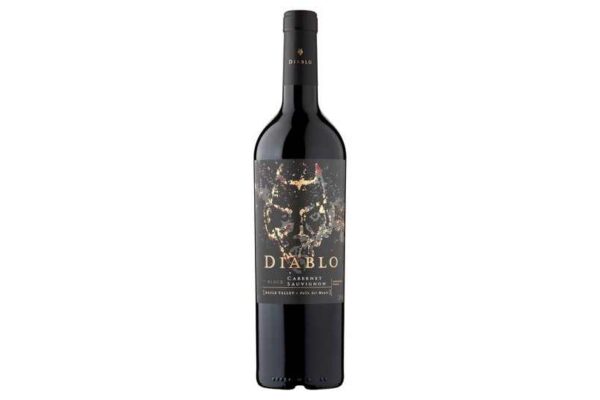
Diablo Black Cabernet Sauvignon
Originating from Maule, Chile and made by wine maker Héctor Urzúa Pistas, this wine offers a blend of black wood, tobacco and a hint of vanilla. It’s a rich, dark, silky smooth and pleasurable drink that fulfils the marketing descriptions. It’s produced by Concha Y Toro, the well-known mass producer of wine. However, don’t let…
Follow



Did You Know?
Rías Baixas wines reached more than 107 countries in 2025 and exports represented 31 per cent of the denomination’s total sales. More
Light Strike Can Cause Wine Degradation in Just One Day. More
People actively adjust their wine choices depending on who might see them. More
In the UK, 73% of Alcohol is Bought From Retail Rather Than Hospitality. More
UK wine production reached 124,377 hectolitres that year, meaning the UK accounted for roughly 0.05 per cent of world output. More
For Crémant, grapes must be harvested by hand and the wines must undergo at least nine months’ ageing before release. More
In 2024, the UK was the second-largest export market for Champagne globally, after the United States. More
Local UK bottling of wine represents about 40% of imported wine. More
Around 1% of people, typically severe asthmatics, have a sulphite sensitivity. More
A large 80% of Australian wine arrives in the UK in bulk. More
Only about 0.02% of Australia’s landmass is dedicated to vineyards. More
In 2024, New Zealand produced only 1% of the World’s wine. More
In 2024, the US imported 37% of World production of Pinot Grigio and the UK was is in second place at 27%. More
In 2024, the UK was South Africa’s largest export market, with 40% of total exports. More
In 2024, the United Kingdom imported 22.3 million bottles of Champagne, a decline of 12.7% compared to the previous year. More
Larger Champagne producers source grapes from as many as 80 different vineyards throughout Champagne. More
Champagne houses and growers collectively produce around 300 million bottles annually. More
In 2025, the Champagne region was home to about 2,124 Champagne houses and approximately 19,000 growers. More
Provence is one of the leaders in the conversion to organic viticulture, with 61% of vineyards certified. More
8% of the South Africa’s grape production is Fairtrade-certified. More
Up to 80% of wine aroma compounds come from grape skins. More
Glycerol is the third-largest component of most dry wines after water and alcohol which is why they so often feel ‘smooth’ or ‘silky’ in the mouth. More
Humans are more than 400 times more sensitive to bitter than sweet. More
Humans can detect the earthy molecule geosmin at about 100 parts per trillion and camels are so sensitive to it they can locate damp ground from roughly 50 miles away. More
During the phylloxera crisis of the nineteenth century, 90% of Europe’s vineyards were destroyed. More
In 2025, for La Vieille Ferme, also known as “The Chicken Wine”, sales surged by 49.4% to £110.8 million. More
In 2025, in the UK, Yellow Tail held the top position with sales, marking a 9.8% increase over the previous year. More
In 2024, the UK was the second-largest wine importer in volume and value. More
In 2024, the UK was the fifth-largest wine-consuming country globally. More
In 2025, global wine consumption continued its downward trend, estimated at 214.2 million hectolitres, the lowest since 1961. More
In 2025, online alcohol sales had a 20% increase in value over five years. More
In 2025, the number of UK vineyards rose to 1,104 and wineries to 238, with land under vine expanding to 4,841 hectares, a 510% increase since 2005. More
Moët Hennessy alone commands nearly 46.66% of the Champagne market, with the top three producers together holding about 61%, and the top five controlling over 72%. More
In 2024, the Champagne market was worth roughly €3.92 billion. More
In the marketing year 2023/24, white wine accounted for roughly 55% of Spain’s output, whereas red and rosé together made up about 45%. More
In the UK, 92% of wine is consumed within 48hrs of purchase. More
The majority of wines, 95%, use commercial rather than wild yeast. More
Between 0.5 and 10 litres of water, per litre of wine, are needed for cleaning during winemaking. More
Machine harvesting can achieve up to 100 tons of fruit per day vs 1 ton for a human. More
In Germany, 2025 was the smallest wine vintage since 2010. More
The majority of vineyards, 90% in 2019, are farmed with heavy chemical interventions. Only 6% are organic. More
90% of low and coastal areas in south Europe and California will no longer be able to produce good wine by the end of the century. More
IMAGE WALL
Tools
Recent
-
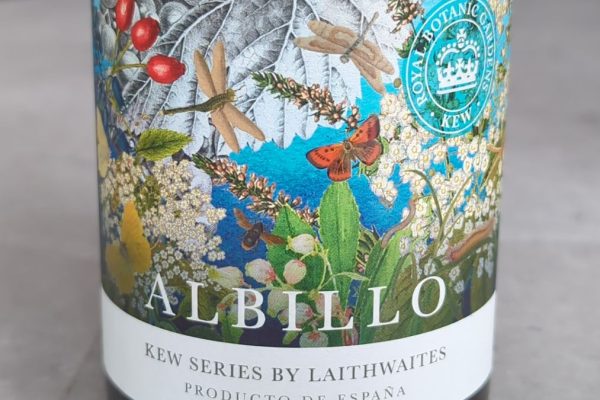
Kew Gardens Albillo
-

UK Bottle Supply Fears Grow Amid Encirc Strike Dispute
-
Opi Malbec
-
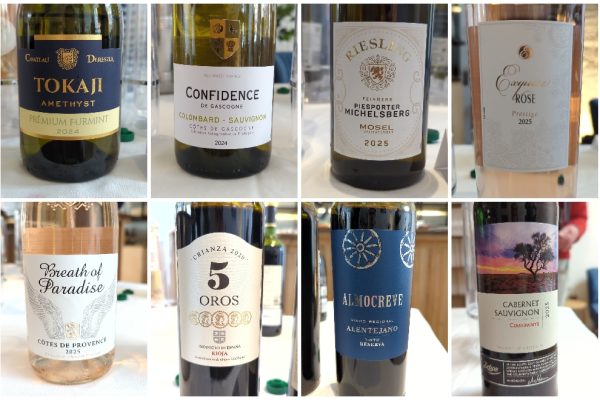
Lidl Spring Summer Tours
-
The Best Organic Montepulciano d’Abruzzo
-
Lidl Amarone della Valpolicella Classico
-
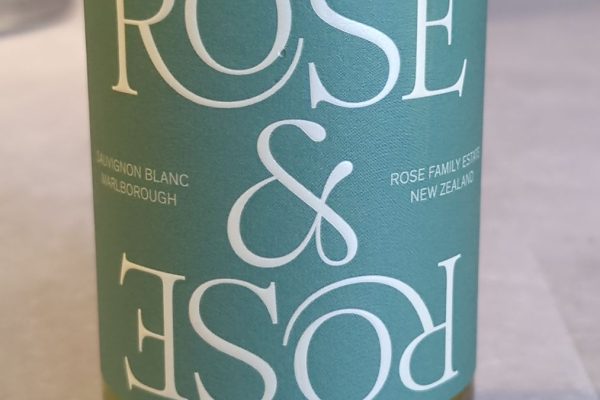
Rose & Rose Sauvignon Blanc
-
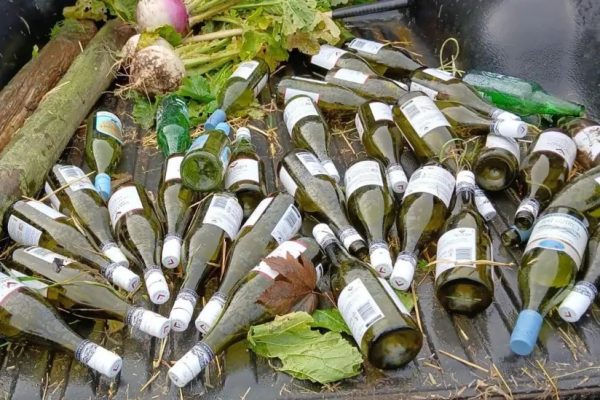
Mystery Wine Bottle Dumping Leaves East Yorkshire Villagers Baffled
-

UK Supermarkets Spark Champagne Price War Before Easter
-
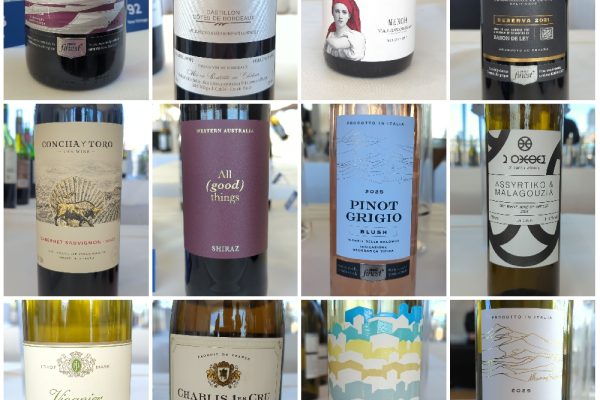
Tesco Spring/Summer Press Tasting
Tags
25% Off Wine Aldi Amarone Argentina Articles Asda Australia Award Awards25 Bizarre Blog Books Bordeaux Bulk Bottling Cabernet Sauvignon Carménère Cava Champagne Chardonnay Chile Climate Change Coop Costco Crémant Decanter Duty English Wine EPR Events Fairtrade Food France Germany Glossary Greece Health Hungary Italy IWSC Jeroboams Laithwaites Legislation Liberty Wines Lidl Low Alcohol M&S Majestic Malbec Merch Merlot Morrisons Natural News New Zealand Non-Alcoholic Ocado Old Vine Organic Past Tastings Photography Pinotage Pinot Noir Port Portugal Primitivo Prosecco Regulations Reviews Ribera del Duero Riesling Rioja Ripasso Rose Sainsbury's Saperavi Sauvignon Blanc Shiraz Sicily South Africa Spain Sparkling Spritz Supermarkets Sustainable Tax Terroir Tesco The Wine Society Unrepresented USA Valpolicella Virgin Wines Waitrose Wanderlust Welsh Wine What to Buy Wine Art WineGB WIne Glasses Zinfandel