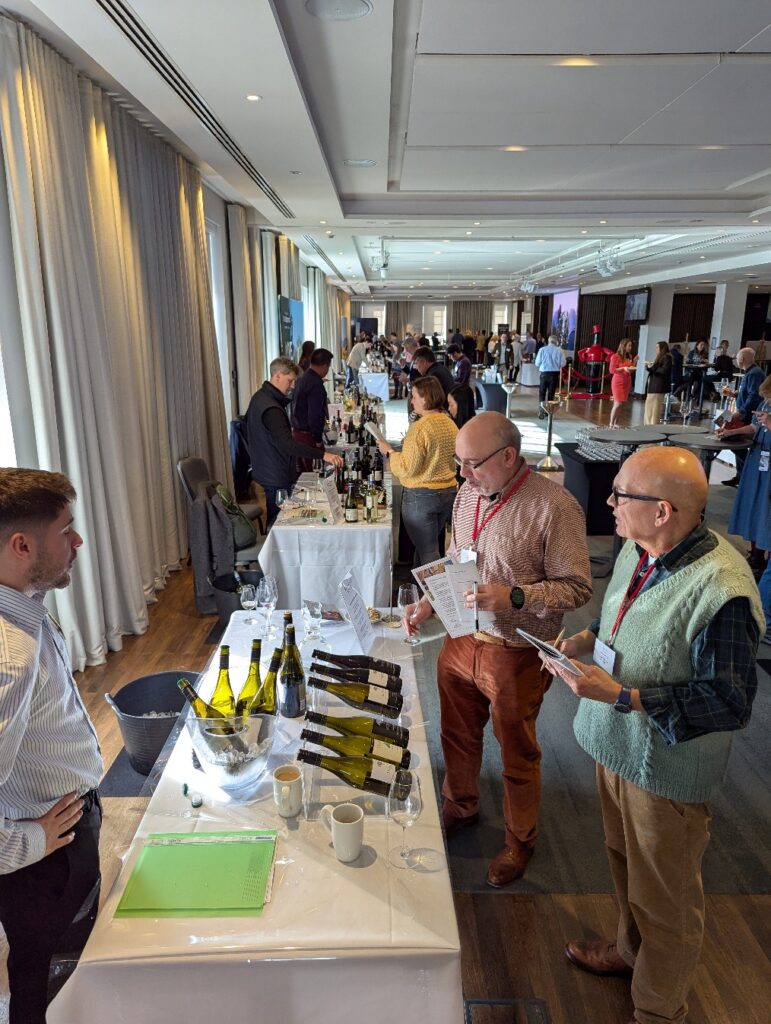
2025 marks 21 years since Gonzalez Byass established its UK office and to celebrate, the company hosted an extensive tasting in London, showcasing its diverse and expanding portfolio.

The company now represents wines from ten different countries, including renowned producers such as Vilarnau Cava, Champagne Deutz, Domäne Wachau, Domaine Zind-Humbrecht, Jackson Estate, Wirra Wirra, Ashton Hills, Neil Ellis, Viñedos Veramonte, Finca Constancia, Viñas del Vero, Singular Estates Disznókő, and Beronia. Recent additions to the portfolio include Famiglia Castellani from Tuscany and Burgundy house Jean Bouchard.
Gonzalez Byass wines are available through independent retailers (do a Google search for specific wines), on-trade (hospitality) and a few in supermarkets. With 178 wines available to taste, alongside gins, ports, sherries and vermouth, there was an impressive range of exceptional wines on offer.
Here are what particularly caught my eye:
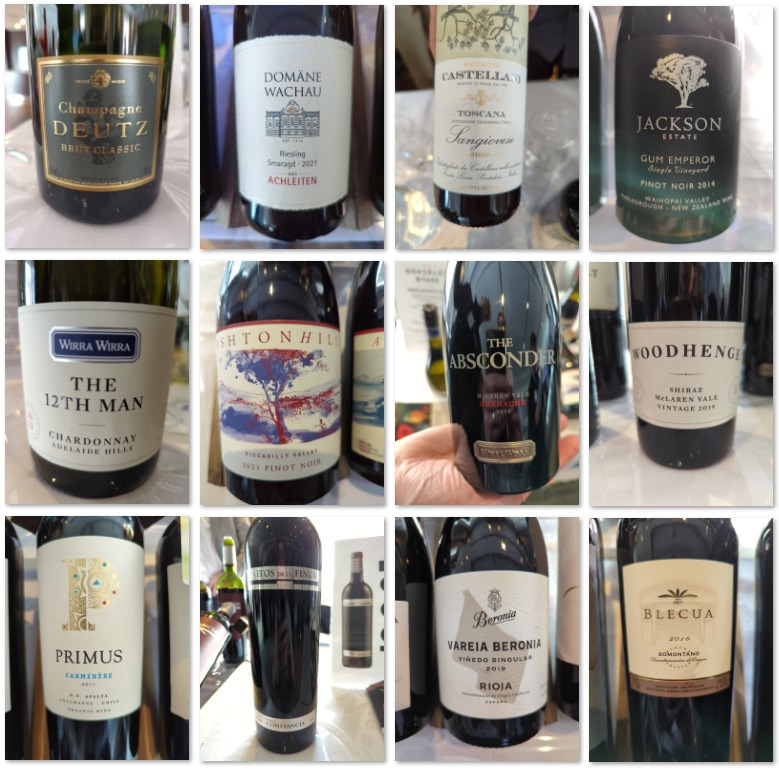
Champagne Deutz Brut Classic NV (ABV 12%, RSP £49.00)
A blend of 33% Chardonnay, 33% Pinot Meunier and 34% Pinot Noir, this Champagne stood out for its dry elegance and refined finish. Despite being at the lowest end of Deutz’s premium range, it delivered great depth and balance, surpassing, for me, even the vintage version. Winner of a Decanter Gold.
Domäne Wachau Riesling Smaragd Ried Achleiten 2021 (ABV 13.5%, RSP £40.00)
A striking green-yellow hue introduces this aromatic Riesling, with pronounced notes of apricot, peach and a touch of citrus. The full-bodied taste and remarkable length earned it high praise, including 96 points from Falstaff, 94 from Robert Parker, and 17 from Jancis Robinson.
Castellani ‘Collesano’ Sangiovese 2020, Toscana IGT (ABV 13.0%, RSP £19.00)
Displaying a deep red colour, this Sangiovese delivers aromas of ripe cherries and cranberries with floral undertones. The cherry and subtle wood flavours have an excellent balance, making this my best value wine of the tasting.
Jackson Gum Emperor Pinot Noir 2014, Marlborough (ABV 14.5%, RSP £34.00)
Named after the Gum Emperor moth found in the vineyard’s surroundings, this Pinot Noir is rich, intensely flavoured and aromatic with oak, violets and blackcurrants. The taste has black plums, liquorice and earthy tones. Awarded Silver by the IWC and available from Ocado and Amazon.
Wirra Wirra 12th Man Chardonnay 2022, Adelaide Hills (ABV 12.5%, RSP £25.00)
Fermented in French oak, this Chardonnay has a pale lemon colour with aromas of white peach and flinty minerality. The rich and oaky taste is beautifully balanced. Available from Ocado and The Wine Society.
Ashton Hills Pinot Noir 2021, Piccadilly Valley (ABV 13.5%, RSP £36.00)
A limited-production Pinot Noir, typically found in hospitality venues. Red cherry and plum aromas lead into a savoury yet fruit-driven taste of red cherry and cranberry. I also tried the 2018 sister wine, that had more minerality and a silkier mouthfeel.
Wirra Wirra Woodhenge Shiraz 2019, McLaren Vale (ABV 14.5%, RSP £25.00)
An intense, full-bodied Shiraz with plum, blackberry and leather aromas. The taste has layers of plums, earthiness, dark chocolate, and savoury oak, all supported by well-balanced tannins. A unique full-on Shiraz that avoids excessive sweetness.
Wirra Wirra Absconder Grenache 2016, McLaren Vale (ABV 14.5%, RSP £49.00)
Aromas of cherry, blueberry and baking spice lead into an intense taste of liquorice, earthy tones, woody spice, black tea leaf and dried herbs.
Primus Carménère 2019, Colchagua Valley (ABV 14%, RSP £20.00)
Aromas of red fruit and cedar introduce this well-balanced wine, offering flavours of cherry, pepper and rosemary with structured tannins.
Blecua 2016, DO Somontano (ABV 14%, RSP £95.00)
A blend of Cabernet Sauvignon, Tempranillo and Syrah, this wine features a deep colour with aromas of oak, black fruit, liquorice and fig. The full-bodied taste delivers a rich, fruit-driven experience with spice and wood complexity. A rare, unavailable, 2004 vintage was also sampled, which was truly sublime.
Finca Constancia Altos de la Finca 2017, Castilla (ABV 14.5%, RSP £24.00)
A blend of 60% Petit Verdot and 40% Syrah, this wine has aromas of dark chocolate, liquorice and cranberry. The taste follows with deep cherry, liquorice and a slight caramel touch, creating an excellent round mouthfeel. Awarded 92 points by James Suckling, this was my favourite wine of the tasting. So good, I had to go back for a second taste at the end of the tasting.
Beronia Vareia 2019, DOCa Rioja (ABV 14.5%, RSP £65.00)
I have included this because it is novel, one of the first wines under Rioja’s newly introduced single-vineyard classification. While enjoyable, this wine focuses primarily on fruit rather than traditional Rioja ageing characteristics, making its premium price point perhaps a little ambitious.
The Gonzalez Byass portfolio demonstrated remarkable depth and breadth, with what I thought was an especially impressive showing from Wirra Wirra/Ashton Hills. Beyond the wines, the venue itself provided stunning views across the Thames, adding an extra touch of elegance to an already outstanding tasting event.