,

Understanding Biodynamic Wine

Posted by

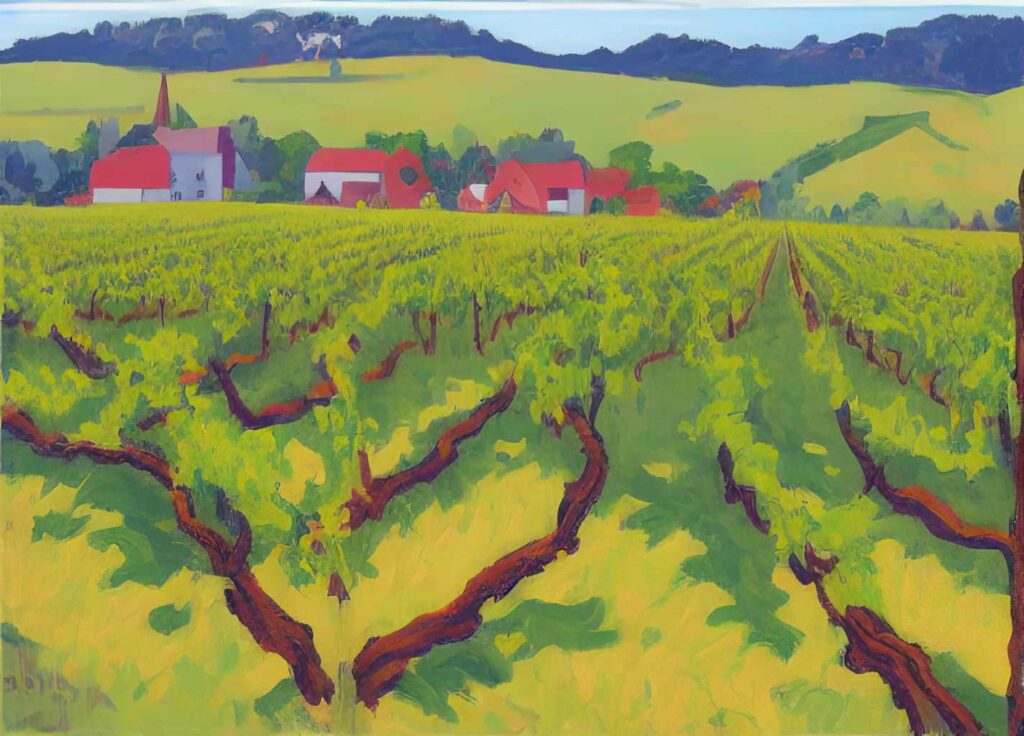
Biodynamic vineyards view farming holistically, seeing the farm as a closed ecosystem where everything is interconnected. It goes beyond organic, emphasising the connection between the farmer, the vine, the earth and even celestial bodies like the sun, moon, and stars. This might sound unconventional, but since its inception in the 1920s by Austrian scientist Rudolph Steiner it has gained significant traction worldwide.

While all biodynamic wines are organic, the reverse isn’t true. Biodynamic wines adhere to a specific lunar calendar, which dictates the ideal days for various vineyard activities from planting to harvesting. Biodynamic winemaking avoids chemicals and other manufactured additions. Instead, it employs unique compost preparations, such as the ‘BD 500’ and ‘BD 501’, which involves burying cow horns filled with fresh cow manure. After six months, the contents are diluted and sprayed over the vineyard to enhance soil quality. However, ready-made preparations are available!

The process of making biodynamic wine involves adhering to a special calendar, avoiding synthetic pesticides, herbicides, or artificial fertilisers, and using special compost, herb and mineral preparations. The aim is to foster natural growth, resulting in a wine that harmonises with the earth and the universe. Some might find this approach is unconventional, but its proponents often cite lunar effects, like tidal systems to highlight its potential. Biodynamic wines are often considered superior to conventional wines in terms of flavour, aroma and texture.

Biodynamic wines usually, but not always, meet the standards set by the Demeter Association or Biodyvin, the recognised certifying bodies.

The biodynamic wine calendar categorises days based on astrological signs to guide vineyard activities. There are four types of days: Fruit Days, ideal for harvesting grapes and wine-tastings, align with the Fire Signs (Aries, Leo, Sagittarius); Leaf Days, best for watering, correspond to the Water Signs (Pisces, Cancer, Scorpio); Root Days, suitable for pruning, match the Earth Signs (Virgo, Taurus, Capricorn) ; and Flower Days, associated with the Air Signs (Aquarius, Libra, Gemini), are when the vineyard is left undisturbed. However, vineyards don’t have to follow these timings to be Demeter certified.

Research has shown that biodynamic farms have higher soil quality with more organic matter content and microbial activity. Biodynamically treated composts also show higher temperatures, faster maturation and more nitrates. Critics acknowledge the high quality of biodynamic wines but question if the improvements in vineyard health and wine taste would have been achieved with just organic farming.


Follow

Did You Know?

In 2024, the UK was the second-largest export market for Champagne globally, after the United States. More

Local UK bottling of wine represents about 40% of imported wine. More

Around 1% of people, typically severe asthmatics, have a sulphite sensitivity. More

A large 80% of Australian wine arrives in the UK in bulk. More

Only about 0.02% of Australia’s landmass is dedicated to vineyards. More

In 2024, New Zealand produced only 1% of the World’s wine. More

In 2024, the US imported 37% of World production of Pinot Grigio and the UK was is in second place at 27%. More

In 2024, the UK was South Africa’s largest export market, with 40% of total exports. More

In 2024, the United Kingdom imported 22.3 million bottles of Champagne, a decline of 12.7% compared to the previous year. More

Larger Champagne producers source grapes from as many as 80 different vineyards throughout Champagne. More

Champagne houses and growers collectively produce around 300 million bottles annually. More

In 2025, the Champagne region was home to about 2,124 Champagne houses and approximately 19,000 growers. More

Provence is one of the leaders in the conversion to organic viticulture, with 61% of vineyards certified. More

8% of the South Africa’s grape production is Fairtrade-certified. More

Up to 80% of wine aroma compounds come from grape skins. More

Glycerol is the third-largest component of most dry wines after water and alcohol which is why they so often feel ‘smooth’ or ‘silky’ in the mouth. More

Humans are more than 400 times more sensitive to bitter than sweet. More

Humans can detect the earthy molecule geosmin at about 100 parts per trillion and camels are so sensitive to it they can locate damp ground from roughly 50 miles away. More

During the phylloxera crisis of the nineteenth century, 90% of Europe’s vineyards were destroyed. More

In 2025, for La Vieille Ferme, also known as “The Chicken Wine”, sales surged by 49.4% to £110.8 million. More

In 2025, in the UK, Yellow Tail held the top position with sales, marking a 9.8% increase over the previous year. More

In 2024, the UK was the second-largest wine importer in volume and value. More

In 2024, the UK was the fifth-largest wine-consuming country globally. More

In 2025, global wine consumption continued its downward trend, estimated at 214.2 million hectolitres, the lowest since 1961. More

In 2025, online alcohol sales had a 20% increase in value over five years. More

In 2025, the number of UK vineyards rose to 1,104 and wineries to 238, with land under vine expanding to 4,841 hectares, a 510% increase since 2005. More

Moët Hennessy alone commands nearly 46.66% of the Champagne market, with the top three producers together holding about 61%, and the top five controlling over 72%. More

In 2024, the Champagne market was worth roughly €3.92 billion. More

In the marketing year 2023/24, white wine accounted for roughly 55% of Spain’s output, whereas red and rosé together made up about 45%. More

In the UK, 92% of wine is consumed within 48hrs of purchase. More

The majority of wines, 95%, use commercial rather than wild yeast. More

Between 0.5 and 10 litres of water, per litre of wine, are needed for cleaning during winemaking. More

Machine harvesting can achieve up to 100 tons of fruit per day vs 1 ton for a human. More

In Germany, 2025 was the smallest wine vintage since 2010. More

The majority of vineyards, 90% in 2019, are farmed with heavy chemical interventions. Only 6% are organic. More

90% of low and coastal areas in south Europe and California will no longer be able to produce good wine by the end of the century. More