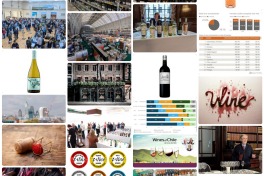
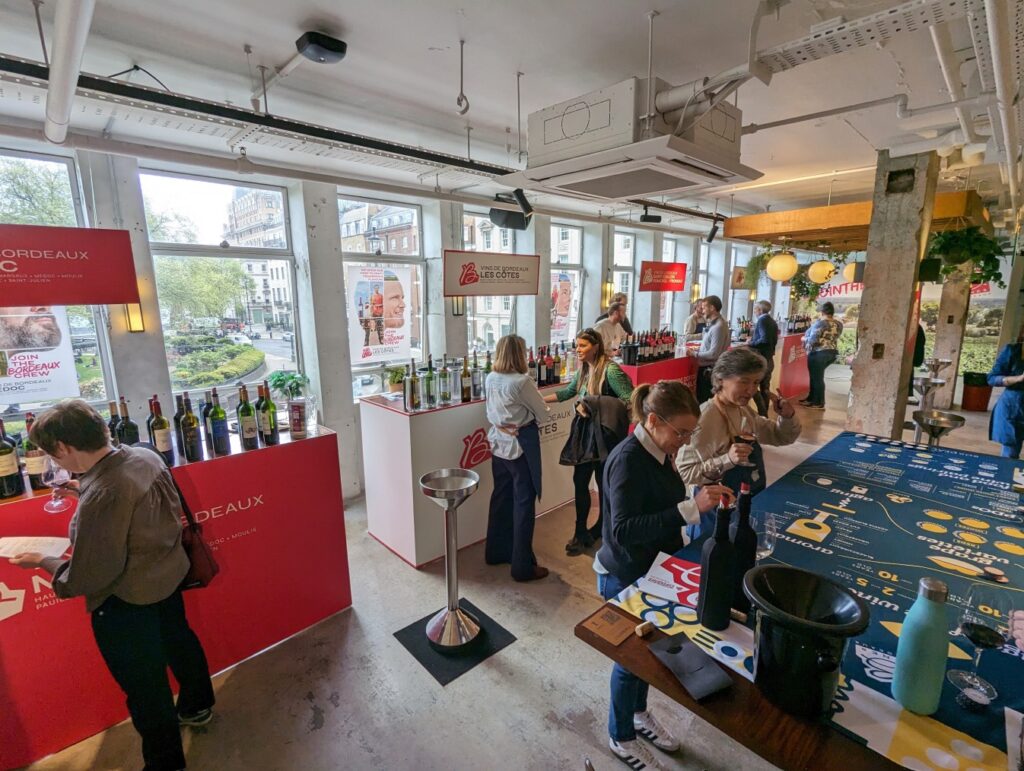

On 1st May 2024, the inaugural event of Vins de Bordeaux’s new global campaign, ‘The Bordeaux Crew’ came to London, designed collaboratively by the region’s winemaking community. This initiative was supported by the Bordeaux Wine Council (CVIB) and aimed to engage both the wine industry and enthusiasts.
The event showcased a curated selection of over 100 Bordeaux wines, ranging from modern interpretations to classic vintages. Attendees had the opportunity to explore the diverse portfolio of Bordeaux wine through various activities staged throughout the venue. Among the activities were pop-up talks, providing insights into Bordeaux’s winemaking traditions and innovations. A unique ‘Bordeaux Casino challenge game’ added an interactive element to the experience, engaging guests in a fun and educational way. Additionally, ‘Bordeaux in a Shot’ offered a single varietal blind tasting challenge, testing and enhancing participants’ tasting skills.
A highlight of the event was discovering some white Crémants that resonated with the exceptional Champagne-like qualities I had enjoyed during a pandemic lockdown. During that time, I had received a Crémant from Côte, who had adapted their restaurant services to home delivery. This particular Crémant had set a high benchmark with its rich brioche, butter and toasted flavours, typically derived from aging on the lees – qualities that all others I since tried have subsequently lacked.
At this event, I found some Crémants that truly matched up to that high standard, capturing the same essence of what makes a fine Champagne. Among these, the Chateau Pinet La Roquette was particularly remarkable, indistinguishable from a great Champagne.

Pentillante Aline NV, Pinet la Roquetette NV and B De Bonhoste NV
While talking to Stephen Barrett, wine writer and educator, he described the second two wines to me as ‘mad’ due to their Champagne taste, yet use of 100% Sémillon grapes, rather than the traditional Champagne blend of Pinot Noir, Chardonnay, and Pinot Meunier. This led me to ponder the fundamental elements that define the flavour profile of Champagne. It raises questions about the relative influence of the grapes themselves versus the aging process on the lees, which is known to impart those distinctive brioche, buttery and toasted notes.
Sadly, the Chateau Pinet La Roquette, is currently not available in the UK market and is seeking local representation, presenting a unique opportunity for an enterprising importer. The trade price set by the producers for this wine is of the order of €8 euros. The B De Bonhoste is, however, available in the UK for about £17.
I found that some of the red wines presented were somewhat ‘tight’, suggesting that they had not been decanted or sufficiently aged, which resulted in much of their flavour being overshadowed by tannins. However, here are some that I found great and ready for drinking:
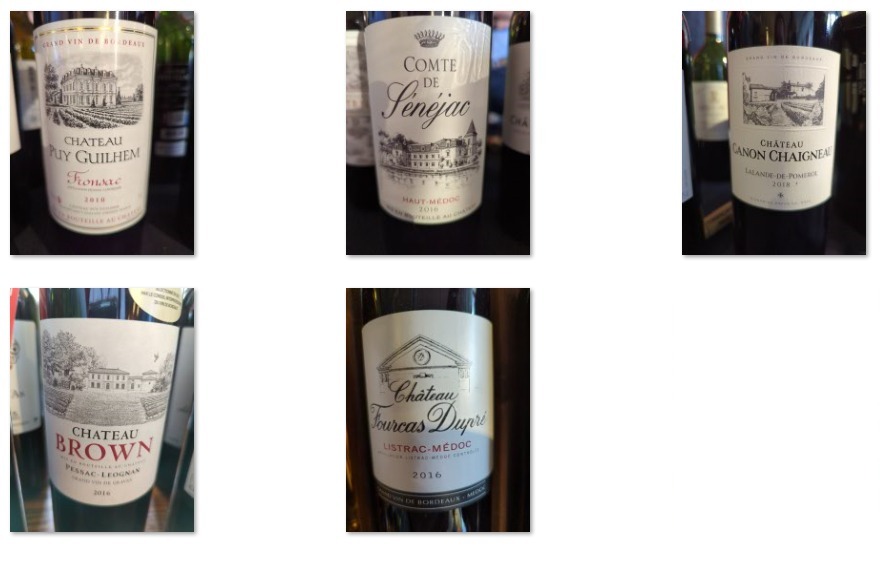
Château Puy Guilhem Fronsac 2010 15% £29.99
The vineyard operates with a commitment to manual cultivation, adhering to sustainable practices, guided by the expertise of renowned consultant oenologist Stéphane Derenoncourt. Made from 100% Merlot, this wine captivates with a lovely nose that elegantly combines gentle oak and black fruits, creating a harmonious and inviting aroma. On the palate, it is full-bodied, rich with juicy berried fruits and complemented by an attractive savoury note that emerges on the finish.
Château Sénéjac Comte de Sénéjac, Haut-Medoc 2016 13% £21.99
This wine comes from one of the better-known Crus Bourgeois of the Haut-Médoc, situated in close proximity to the prestigious vineyards of Margaux. Made from Merlot 56%, Cabernet Sauvignon 42% and Cabernet Franc 2%. It presents an intense flavour profile on the palate, characterised by a rich blend of spice and dark fruits. There is a subtle smokiness to the wine, enhanced by hints of liquorice that weave through the tasting experience. The tannins are smooth, adding structure without overpowering the array of flavours.
Château Canon Chaigneau, Lalande de Pomerol 2018 14% £30.65
A blend of Cabernet Franc and Merlot. The nose is greeted with hints of violets, melding well with the deeper notes of red and black fruits. As the taste unfolds, subtle layers of truffles and a variety of spices emerge, adding complexity and depth to the wine.
Château Brown Pessac-Leognan 2016 13.5% £31.95
This wine, a blend of 30% Merlot and 70% Cabernet, makes an immediate impact with a powerful aroma. On the palate, it is medium-bodied, exhibiting a juicy and smoky character. The flavours of ripe, dark and black fruits are prominent, creating a rich tapestry of taste that is both indulgent and inviting. A subtle hint of smokiness adds an additional layer of complexity.
Château Fourcas Dupré, Listrac-Médoc, 2016 13% £17.99
Listrac-Médoc, situated in a prime location on Bordeaux’s prestigious left bank, benefits from being positioned at the highest point in the Médoc, which contributes to the unique microclimate and terroir. Made from 46% Cabernet Sauvignon, 44%
Merlot, 9% Cabernet Franc and 1% Petit Verdot, this wine is medium-bodied and well-rounded, characterised by a fruit-forward approach that appeals to a range of palates. It features silky notes of ripe red fruits, which blend harmoniously with hints of cedar wood spice.
Except for the Château Brown, the above wines were showcased by Hallgarten & Novum, Awin Barratt Siegel and Cambridge Wine Merchants, rather than on the Bordeaux region-specific tables. It seems that the agencies had a better understanding of which wines might be suited for the event. They selected wines that are more approachable, showing Right Bank, Merlot-based wines or Left Bank wines that have benefitted from ageing.