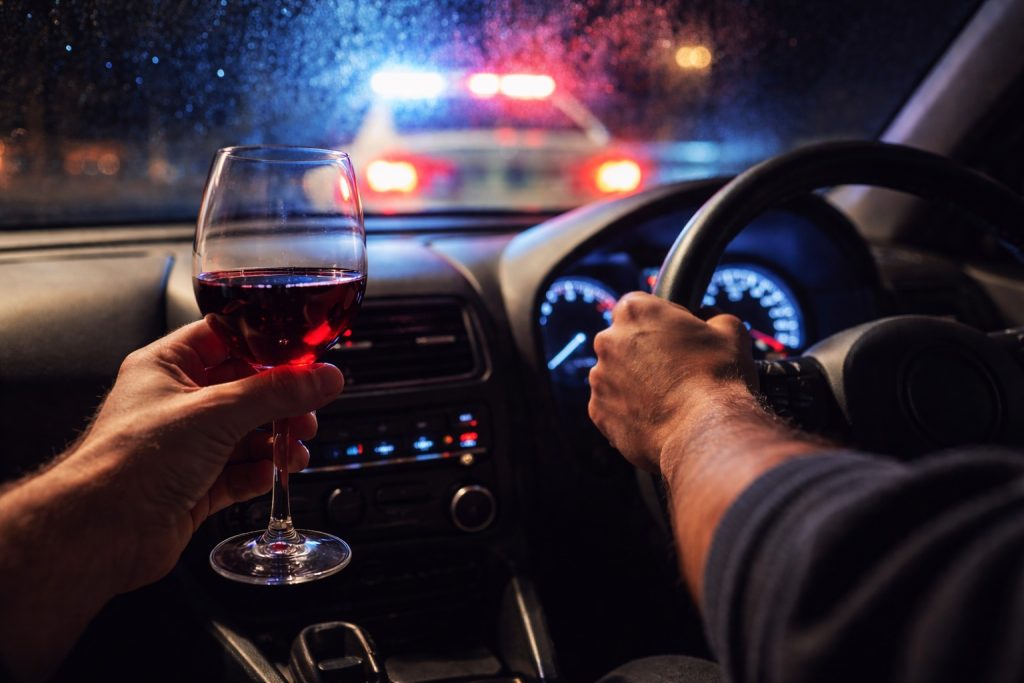
The UK Government is considering tougher drink-driving rules as part of a renewed effort to cut road deaths and serious injuries. Newly announced proposals aim to reduce casualties on Britain’s roads by 65 per cent by 2035, with a particular focus on lowering the amount of alcohol drivers are legally allowed to have in their system.
At present, the legal drink-drive limits in England, Wales and Northern Ireland are 35 microgrammes of alcohol per 100 millilitres of breath, 80 milligrammes per 100 millilitres of blood, and 107 milligrammes per 100 millilitres of urine. These limits have been in place for decades and have not changed since 1967. By contrast, Scotland introduced lower limits in December 2014, setting the threshold at 22 microgrammes per 100 millilitres of breath, 50 milligrammes per 100 millilitres of blood, and 67 milligrammes per 100 millilitres of urine.
The Government is now planning to consult on reducing the limit in England and Wales, which is currently the highest in Europe. The intention is to bring the law more closely into line with other countries and with Scotland, where the lower threshold is widely seen as a clearer deterrent to drinking before driving.
One of the most common questions drivers ask is how many glasses of wine they can safely drink and still remain under the legal limit. The simple answer is that there is no safe or reliable number. Official guidance makes clear that alcohol affects people differently depending on factors such as body weight, metabolism, sex, fatigue and whether food has been eaten. Because of this variation, the police advice is that if you are driving, the only safe option is not to drink at all.
To give some context, a small 125 ml glass of wine at 12 per cent alcohol is roughly 1.5 units. A standard 175 ml glass at the same strength contains about 2.1 units, while a large 250 ml glass is around 3 units. The proposed Scottish-level breath limit of 22 microgrammes per 100 millilitres is extremely low, meaning even modest amounts of alcohol can bring a driver close to, or over, the limit.
Online drink-drive calculators illustrate this risk. For example, calculations suggest that a 12-stone man drinking a single 175 ml glass of 12% wine could reach an initial blood alcohol concentration of just under 0.04 per cent, while a 12-stone woman could be slightly higher. That is already close to Scotland’s legal limit of 0.05 per cent, and not far off where a new lower limit in England and Wales might sit.
Crucially, it is possible for just one drink to put some people over the limit, particularly those with lower body weight or slower alcohol metabolism. The message behind the proposed changes is clear. When it comes to driving, even one glass of wine will be one too many.