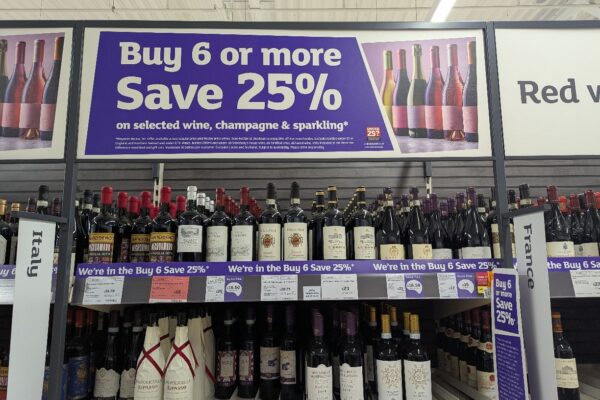
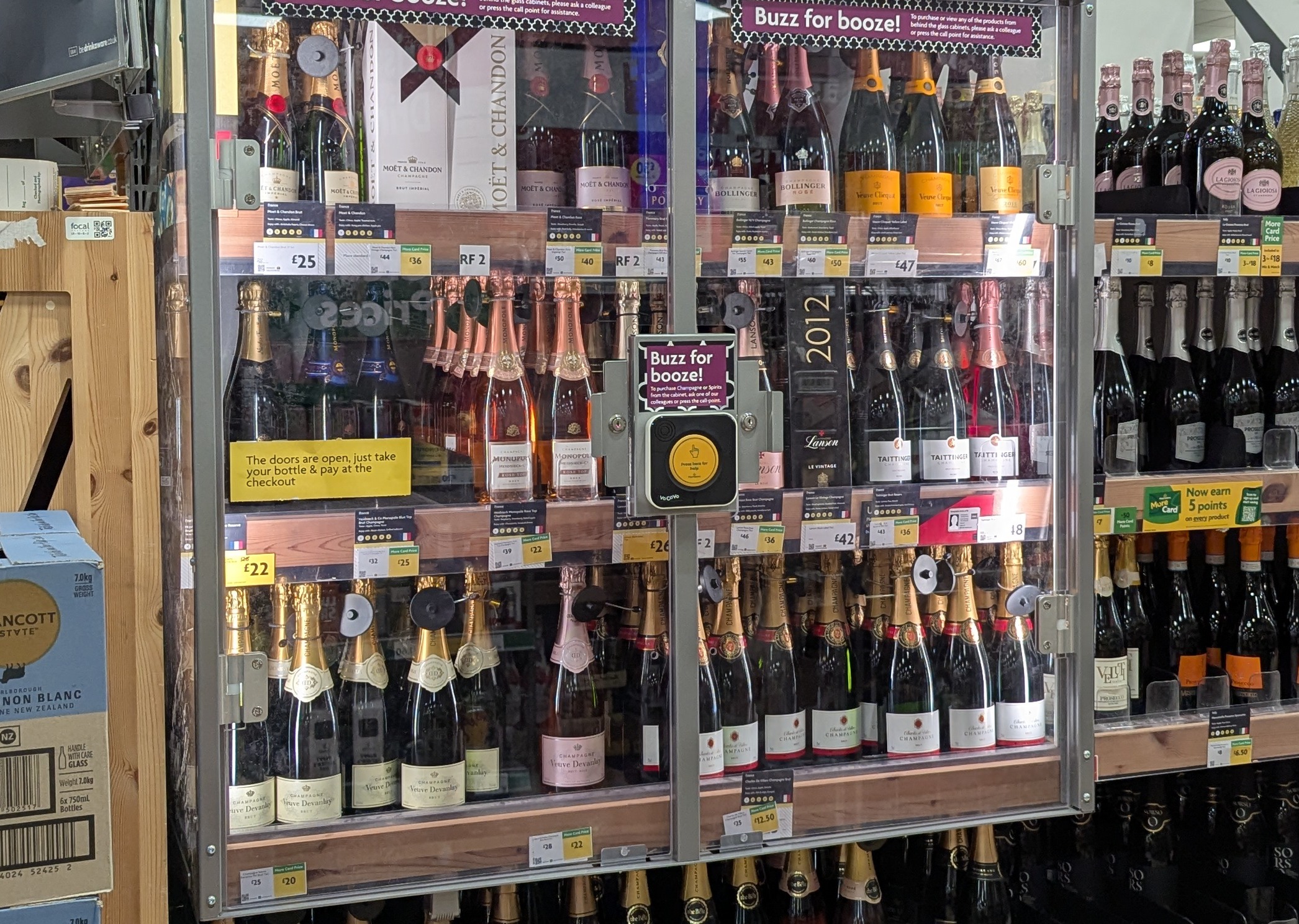
Light strike is a well-known but often underestimated cause of wine spoilage, particularly in white and rosé wines. Despite increasing awareness, it’s becoming more common to see wines displayed under feature lights in both supermarkets and hospitality settings. Some retailers are even installing lighting within wine racks to make displays more appealing, likely unaware that this could be damaging the wine.
A recent study has highlighted just how quickly light exposure can trigger faults. Riboflavin, a naturally occurring compound in wine, begins to break down under light. This breakdown leads to the formation of volatile sulphur compounds, responsible for unpleasant aromas. While copper is sometimes added at bottling to help suppress these sulphur notes, its protective effect is limited. Once the copper is depleted, particularly in wines with high riboflavin content, sulphur compounds start to accumulate rapidly, especially if the wine continues to be exposed to light.
The type of bottle glass makes a significant difference. Brown glass offers the best protection, slowing the degradation of both riboflavin and copper. Clear glass, by contrast, allows far more light to pass through, accelerating the breakdown process. Even with darker glass, though, light exposure still has some effect unless the bottle is kept in complete darkness. The kind of lighting matters too. Cool white LEDs and fluorescent lights have been shown to produce noticeable degradation in as little as 24 hours, while yellow LEDs cause significantly less damage, even over a longer period.
It’s important to be mindful of how wine is stored and displayed. Bottles placed under bright lights or in sunlit areas are more likely to suffer from light strike. When shopping, it’s better to select wines stored at the back of shelves or in cooler, dimly lit parts of the shop. White and rosé wines, which are most vulnerable to light, are best consumed while young and fresh. Once at home, wines should be stored in a dark, stable environment, ideally in a wine fridge or cellar, to preserve their quality for as long as possible.