The FT is reporting that UK ministers have triggered fresh unease in the drinks and hospitality sectors as they move ahead with discussions on possible new alcohol labelling rules, while also preparing to reverse course on the prospect of higher business rates for pubs in England. The Department of Health and Social Care is due to meet more than two dozen alcohol producers, retailers and trade bodies, including Diageo and groups representing beer, pubs, wine and spirits, to talk through the early-stage proposals and gather evidence on likely impacts.
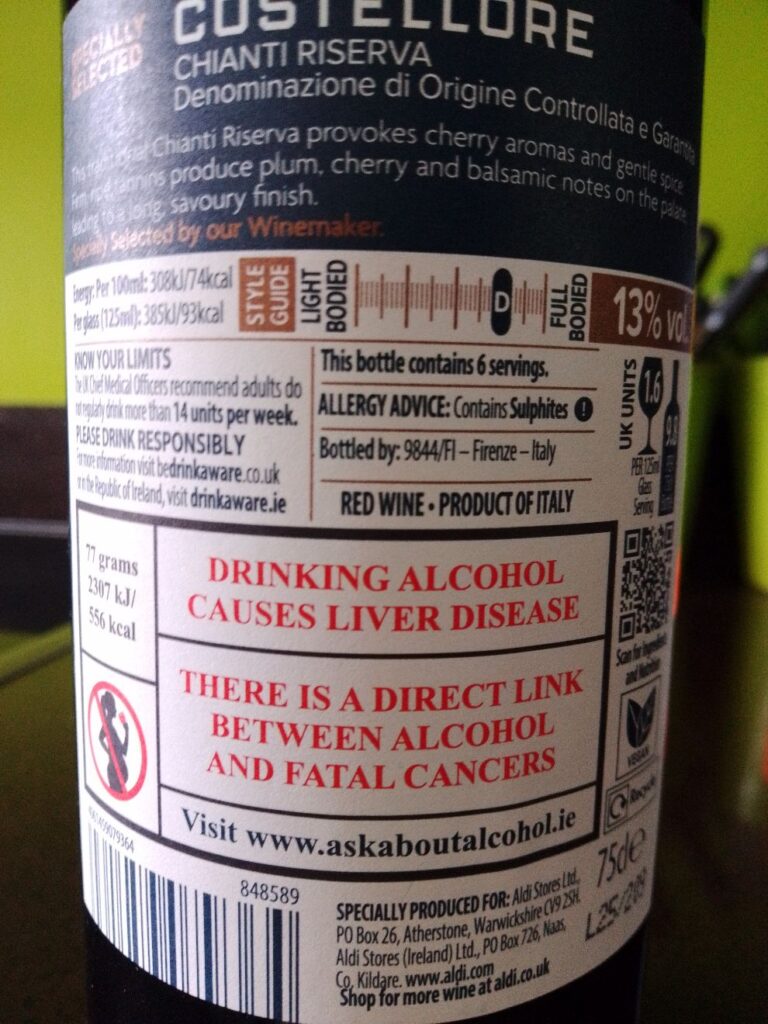
Industry leaders fear the government could mandate prominent health warnings on beer, wine and spirits, potentially including messages about cancer and other risks, with some worried about an approach that mimics cigarette packaging, although a health official said graphic photo-style warnings are not being developed. Companies argue that relabelling would be costly, particularly if the system required “rotating” warnings that change regularly, and they warn those costs could translate into higher prices and weaker sales at a time when alcohol consumption is already low amid the cost of living squeeze and a wider shift towards moderation.
The policy sits within the government’s wider health strategy for England, which envisages mandatory nutrition information and health warning messages to reduce alcohol harm, and officials point to examples abroad where mandatory labelling has been used to address harm. The article notes Ireland’s plan for similar labels, including cancer and liver disease warnings, pregnancy warnings and calorie information, has been pushed back until September 2028 due to trade-related concerns and to give industry time to adjust.
Public health advocates argue that clearer labelling is popular and needed because awareness of risks such as cancer remains limited, and they contend mandatory rules would ensure consistent information across all products. The DHSC says it is consulting both public health experts and industry to settle on an approach that helps people make healthier choices by providing better health and nutritional information.