
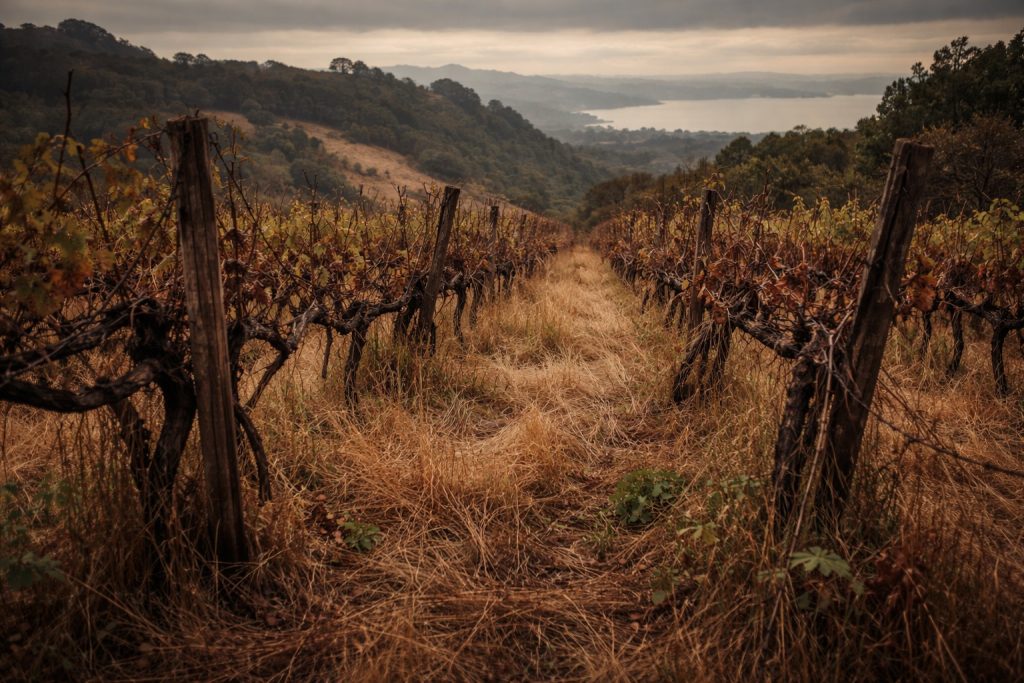
CBS is reporting that California’s new Assembly Bill 732 gives the US Bay Area the power to fine vineyard owners who leave grape crops neglected, because unmanaged vines can harbour pests and disease that then spread to neighbouring vineyards. Establishing a vineyard in the Bay Area is expensive, and in the current market downturn some owners are choosing to stop spending on maintenance, or ‘park’ vineyards for a potential recovery, rather than replanting or pulling vines out.
Sonoma County’s agricultural commissioner says the tougher economic climate has already led to vineyard acreage being removed and has also triggered complaints about abandoned vineyards and orchards, often where properties have been sold and then left vacant for long periods. Under the new rules, if an owner does not take action, they can be fined from $500 to $1,000 per acre as a way to protect surrounding growers.
This actually isn’t new. Similar ‘maintain your vines or face sanctions’ approaches already exist elsewhere, typically framed as plant-health and biosecurity protections. In France, abandoned or neglected vines have been treated as a disease-spread risk, with recent changes introducing fixed fines (for example €1,500 for a first offence and €3,000 for a second) and, in Bordeaux’s Gironde area, proposals around penalties reaching up to €5,000 per hectare for neglected plots.
In Italy, regional plant-health authorities link compulsory controls for flavescence dorée to administrative fines when required treatments are not carried out, with documents citing penalties such as €1,000 to €6,000 for non-compliance.
In Australia, Victoria’s agriculture department notes that neglected vineyards can lead to an ‘Infested Land Notice’ under plant biosecurity powers, and the state’s published schedule of penalties shows that offences connected to an infested land notice can attract infringement fines or higher court-imposed penalties.