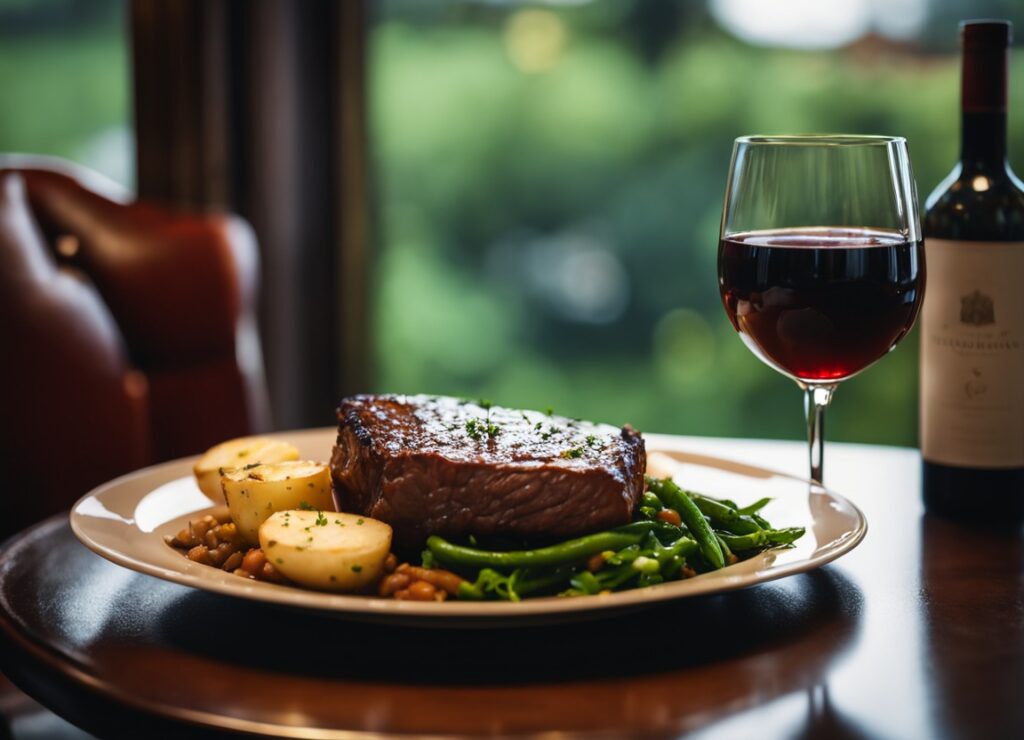
Wine With Beef

Posted by

Pairing wine with beef opens an array of possibilities, as the robust flavours of beef dishes pair wonderfully with many red wines, enhancing both the meal and the wine. The best pairing, however, depends on the preparation and seasoning of the beef. Here are some general recommendations:

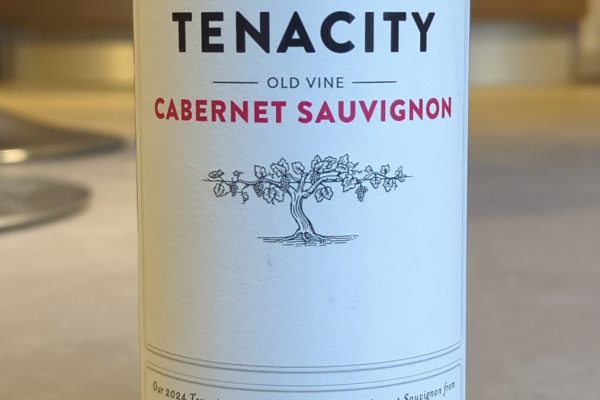
  • Cabernet Sauvignon: A classic choice for beef, especially with grilled or roasted preparations. Its full body and robust tannins complement the rich flavours of red meat beautifully.
  • Merlot: Offers a softer, more approachable alternative with its round, plummy flavours. It’s excellent with tender cuts that are less fatty, like a filet mignon.
  • Syrah/Shiraz: With its spicy, bold character, Syrah (or Shiraz, as it’s known in Australia) pairs well with barbecue and spiced beef dishes.
  • Malbec: Especially good with beef seasoned with earthy spices, Malbec from Argentina is known for its dark fruit flavours and smoky finish.
  • Bordeaux Blend: These wines, made from a blend of Cabernet Sauvignon, Merlot, and other grapes, offer complexity and depth that can elevate a special beef dinner, such as a prime rib roast.
  • Zinfandel: A more adventurous choice, its bold fruit and spice notes can stand up to intensely flavoured beef dishes, like those with barbecue or sweet and sour sauces.
  • Tempranillo: From Spain, this wine is a great match for beef dishes with a Spanish influence, offering flavours of cherry, plum, and tomato, complemented by earthy and herbal notes.
  • Barolo or Barbaresco: For the ultimate in elegance, these Italian wines made from the Nebbiolo grape are wonderful with dishes like beef braised in wine. They offer a combination of floral aromas and strong tannins.

The key to a successful pairing is balancing the intensity of flavours between the dish and the wine. For leaner cuts or preparations with less fat, a wine with lower tannins and a more delicate flavour profile can be ideal. Conversely, richer, fattier beef dishes often call for a wine with more body and higher tannin levels to cut through the richness.


Follow

Did You Know?

In 2024, the UK was the second-largest export market for Champagne globally, after the United States. More

Local UK bottling of wine represents about 40% of imported wine. More

Around 1% of people, typically severe asthmatics, have a sulphite sensitivity. More

A large 80% of Australian wine arrives in the UK in bulk. More

Only about 0.02% of Australia’s landmass is dedicated to vineyards. More

In 2024, New Zealand produced only 1% of the World’s wine. More

In 2024, the US imported 37% of World production of Pinot Grigio and the UK was is in second place at 27%. More

In 2024, the UK was South Africa’s largest export market, with 40% of total exports. More

In 2024, the United Kingdom imported 22.3 million bottles of Champagne, a decline of 12.7% compared to the previous year. More

Larger Champagne producers source grapes from as many as 80 different vineyards throughout Champagne. More

Champagne houses and growers collectively produce around 300 million bottles annually. More

In 2025, the Champagne region was home to about 2,124 Champagne houses and approximately 19,000 growers. More

Provence is one of the leaders in the conversion to organic viticulture, with 61% of vineyards certified. More

8% of the South Africa’s grape production is Fairtrade-certified. More

Up to 80% of wine aroma compounds come from grape skins. More

Glycerol is the third-largest component of most dry wines after water and alcohol which is why they so often feel ‘smooth’ or ‘silky’ in the mouth. More

Humans are more than 400 times more sensitive to bitter than sweet. More

Humans can detect the earthy molecule geosmin at about 100 parts per trillion and camels are so sensitive to it they can locate damp ground from roughly 50 miles away. More

During the phylloxera crisis of the nineteenth century, 90% of Europe’s vineyards were destroyed. More

In 2025, for La Vieille Ferme, also known as “The Chicken Wine”, sales surged by 49.4% to £110.8 million. More

In 2025, in the UK, Yellow Tail held the top position with sales, marking a 9.8% increase over the previous year. More

In 2024, the UK was the second-largest wine importer in volume and value. More

In 2024, the UK was the fifth-largest wine-consuming country globally. More

In 2025, global wine consumption continued its downward trend, estimated at 214.2 million hectolitres, the lowest since 1961. More

In 2025, online alcohol sales had a 20% increase in value over five years. More

In 2025, the number of UK vineyards rose to 1,104 and wineries to 238, with land under vine expanding to 4,841 hectares, a 510% increase since 2005. More

Moët Hennessy alone commands nearly 46.66% of the Champagne market, with the top three producers together holding about 61%, and the top five controlling over 72%. More

In 2024, the Champagne market was worth roughly €3.92 billion. More

In the marketing year 2023/24, white wine accounted for roughly 55% of Spain’s output, whereas red and rosé together made up about 45%. More

In the UK, 92% of wine is consumed within 48hrs of purchase. More

The majority of wines, 95%, use commercial rather than wild yeast. More

Between 0.5 and 10 litres of water, per litre of wine, are needed for cleaning during winemaking. More

Machine harvesting can achieve up to 100 tons of fruit per day vs 1 ton for a human. More

In Germany, 2025 was the smallest wine vintage since 2010. More

The majority of vineyards, 90% in 2019, are farmed with heavy chemical interventions. Only 6% are organic. More

90% of low and coastal areas in south Europe and California will no longer be able to produce good wine by the end of the century. More